

How to Go Viral on YouTube in 2026: Proven Strategies That Work
Going viral on YouTube sounds like pure luck. But what really determines virality on YouTube now is algorithm recommendations. Its algorithm has full control over who sees your videos.
Ever since Google integrated Gemini AI into YouTube back in January, the algorithm wasn’t just changed, but replaced. And if you don’t get how this new system works, you’re on the back foot.
The ‘viral tactics’ that have been working the past few years? Out the window. There’s no gaming the system, which means you need to take a whole new approach.
So, get settled because we’re about to dive deep into several proven strategies that work in response to this new ‘YouTube’. We’ll also touch on how Pollo AI can help you along the way.
What Defines ‘Going Viral’ on YouTube in 2026?
For a long time, most YouTube creators optimized their metadata to improve their chances of gaining more visibility and viral traction.
This meant focusing on video aspects like titles, descriptions, tags, etc. While those signals still matter, they aren’t in control anymore.
YouTube is now run by an AI system that can analyze uploaded videos frame by frame. It can actually process dialogue, intent, tone, emotion, and other aspects.
This means making the packaging look good will not cut it. You need video content that aligns with the thumbnail and title to deliver value. If it doesn’t, the AI will know.
The good news is that this creates new opportunities. Back then, YouTube failed at matching content with the right viewers, so many videos would flop even if they were good.
Things are different now. The algorithm can understand your video content almost like a real person, well enough to recommend it to the ideal test audience.
If the initial viewers watch most of the video, leave comments, and/or continue to spend more time on YouTube, this proves that they were satisfied.
Then, the algorithm keeps pushing the video to more people, and it eventually goes viral. But if those first viewers didn’t seem satisfied, then it gets suppressed.
It’s like having to pass a small test before joining the big leagues. So, how do you swing the odds in your favor? Here are a few proven strategies that will help kick your videos up a notch.
#1. Hook Viewers In The First 10 Seconds
Most YouTube videos fall short of going viral because their intros don’t connect with viewers. Instead of getting straight to the point, many creators make the mistake of dragging it out.
Without that initial hook in the beginning, it’s quite easy for viewers to abandon the video and move on to something else. And if YouTube’s new algorithm notices this, then it’s game over.
You need to give value right away and within the first 10-15 seconds at that. A good example of this in action is how @theNatalieDawson often jumps straight into the subject of her videos.
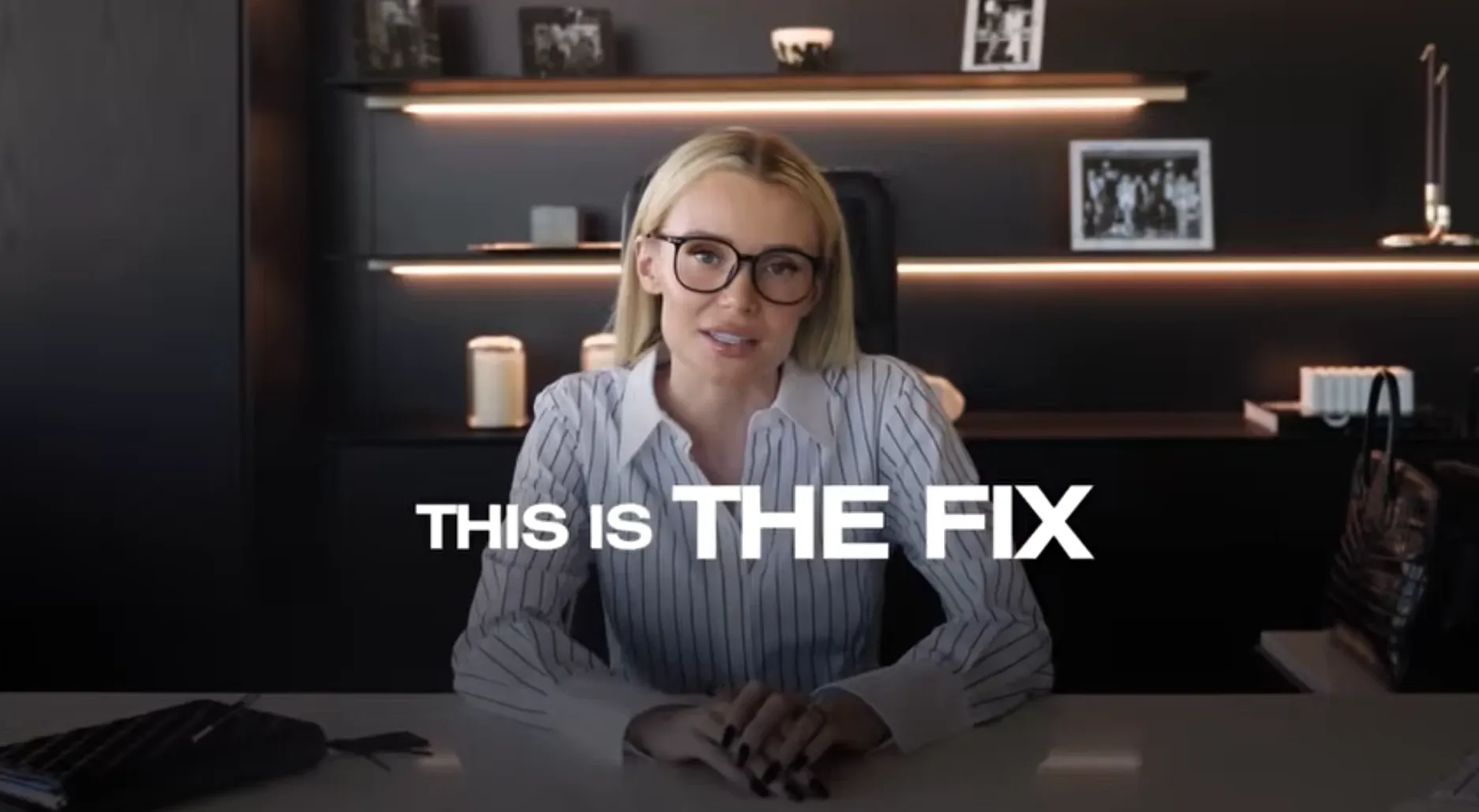
You need to bring out value fast. But if you ever need help creating an impactful intro, then you can go try out Pollo AI’s YouTube intro maker to explore ideas that can hook viewers.
#2. Keep On Re-Hooking Your Audience
While the initial hook at the start of the video sets the foundation, you also need to re-hook audiences somewhere along the video to reset their attention.
In other words, you need to hook and repeat to keep re-engaging the viewer. In fact, YouTubers like Mr Beast often use plot twists every few minutes to retain viewers till the video ends.
Another way to do this is by structuring your one long video with multiple acts. For instance, you can start with, “Later in this video, I’ll show you how my experiment turned out, but first…”
Then mid-way, you can re-engage viewers with, “Before I get to the results, let me explain what I did differently…”. You can do this 2-3 times max to keep viewers hooked till the end.
#3. Combine YouTube Shorts with Long Videos
One undeniable fact on YouTube is that Shorts are the dominant format for discovery. Most of the views on YouTube Shorts come from non-subscribers.
So, if you’re looking to reach new audiences and go viral, then you need to implement Shorts in your content strategy. And this means creating impactful/memorable clips from long videos.
You can then publish these snippets as Shorts to tease what the longer video has to offer. Also, be sure to use the ‘Related Video’ feature that links the Short back to the original video.
By combining Shorts to gain exposure and long videos to build authority, you’ll be golden. And if you need extra help creating more viral Shorts, you can try using Pollo Agent.
#4. Refine Your Titles/Thumbnails To Entice Viewers
Your video’s title and thumbnail have a huge psychological impact on whether viewers click on your content. And if you want to go viral, you need to stand out on people’s YouTube feeds.
A good rule of thumb is to use expressive faces in your thumbnails and try to add hook texts (2-3 words) to grab attention. Many creators like @DanKieft often use this to great effect.

As for titles, don’t settle for something basic like “My Morning Gym Routine”. Instead, craft a more compelling title like “I Did the Morning Gym Routine for X Days (Results)”.
Just be sure that you don’t clickbait. The video content must match the hype of your title/thumbnail; otherwise, the algorithm will notice the drop in viewer retention and suppress it.
#5. Don’t Make the Mistake of Ignoring Analytics
When you’re trying to go viral, you can’t afford to fly blind. This means looking at your YouTube metrics, which will guide you to make better decisions.
For example, metrics like CTR per thumbnail, traffic sources, and retention will help with tracking discovery for the sake of wider audience reach.
By knowing what’s working and what isn’t, you can double down on the good and cut out the bad. This can mean changing up your thumbnails, titles, content, topics, etc.
It’s all about driving your video content strategy in the right direction. And if you ever want to test out new concepts, then check out the Pollo AI image-to-video tool.
#6. Cross-Promote on Your Social Channels
Repurposing your video content and sharing it on social channels is a great way to reach new audiences without depending on YouTube’s algorithm.
For starters, you can turn your Shorts into Instagram Reels and TikToks. If those clips go viral, you can channel all that external traffic to your YouTube via links and pinned comments.
Another popular tactic is to create images with quotable texts from your videos. Many creators like @JayShetty do this and share static posts that often go viral on Instagram, X, etc.

With a loyal community outside of YouTube, your video engagement in the first few hours will often be high. This is always important for building positive momentum with the algorithm.
#7. Stick To A Fixed Video Upload Routine
Don’t make the mistake of assuming that posting videos a lot is the key to going viral. With this new algorithm, viewer satisfaction is more important than frequency.
In fact, you will often be better off posting high-quality video content once a week than uploading low-value content multiple times a week. So, don’t feel any pressure to perform.
Instead, you should focus on establishing a consistent posting routine, as TV shows do. For example, you can be uploading new videos every Friday at 2 PM.
This tells the algorithm that your channel is reliable and worth recommending. You can also use Pollo AI’s YouTube outro maker to remind audiences of the schedule at the end of every video.
#8. Limit Your Video Length to 5-10 Minutes
To go viral, it’s often best to avoid uploading lengthy videos. Instead, you should focus on producing well-condensed video content of up to 5-10 minutes that carries substance.
When you consider how audience retention is difficult, it helps to keep a shorter video format that lowers the risk of abandonment. So, don’t forcibly pad up your YouTube videos.
You’ll be better off creating a tight and value-driven video that flows naturally up to a reasonable point. Remember, it’s all about viewer satisfaction.
Even if the video is just 6 minutes long, what matters is convincing the algorithm that viewers were satisfied. If retention is high, then your video will get more visibility and go viral.
Conclusion
Ultimately, the key to going viral on YouTube is simple: create video content that audiences will find value in. Given how the new algorithm operates, you can’t afford to slack in that area.
If you keep that in mind and also use the strategies we’ve listed here, then you’ll quickly start to see a positive difference in how your videos perform on YouTube.
And be sure to explore Pollo AI if you want to start streamlining your video workflows. Try it out today and watch how it drastically changes your YouTube creation for the better!