

How the YouTube Algorithm Works and How to Use It to Grow Your Channel
We often hear people talk about the algorithm, but very few take a minute to ponder how it works. And as a new YouTube creator, failing to know this would be a mistake. So, let’s take a deep dive into YouTube’s algorithm by dissecting how it works, how you can use it to grow your channel, and also how Pollo AI can help streamline your video creation.
TL;DR
YouTube has multiple algorithms for the homepage, search, suggested list, and YouTube Shorts. Like a matchmaking system, they connect audiences with content they are most likely to watch. To grow your channel, signal to the algorithm that your content is valuable by boosting CTR, total watch time, channel session time, and improving quality by using tools like Pollo AI.
How Does YouTube’s Algorithm Work?
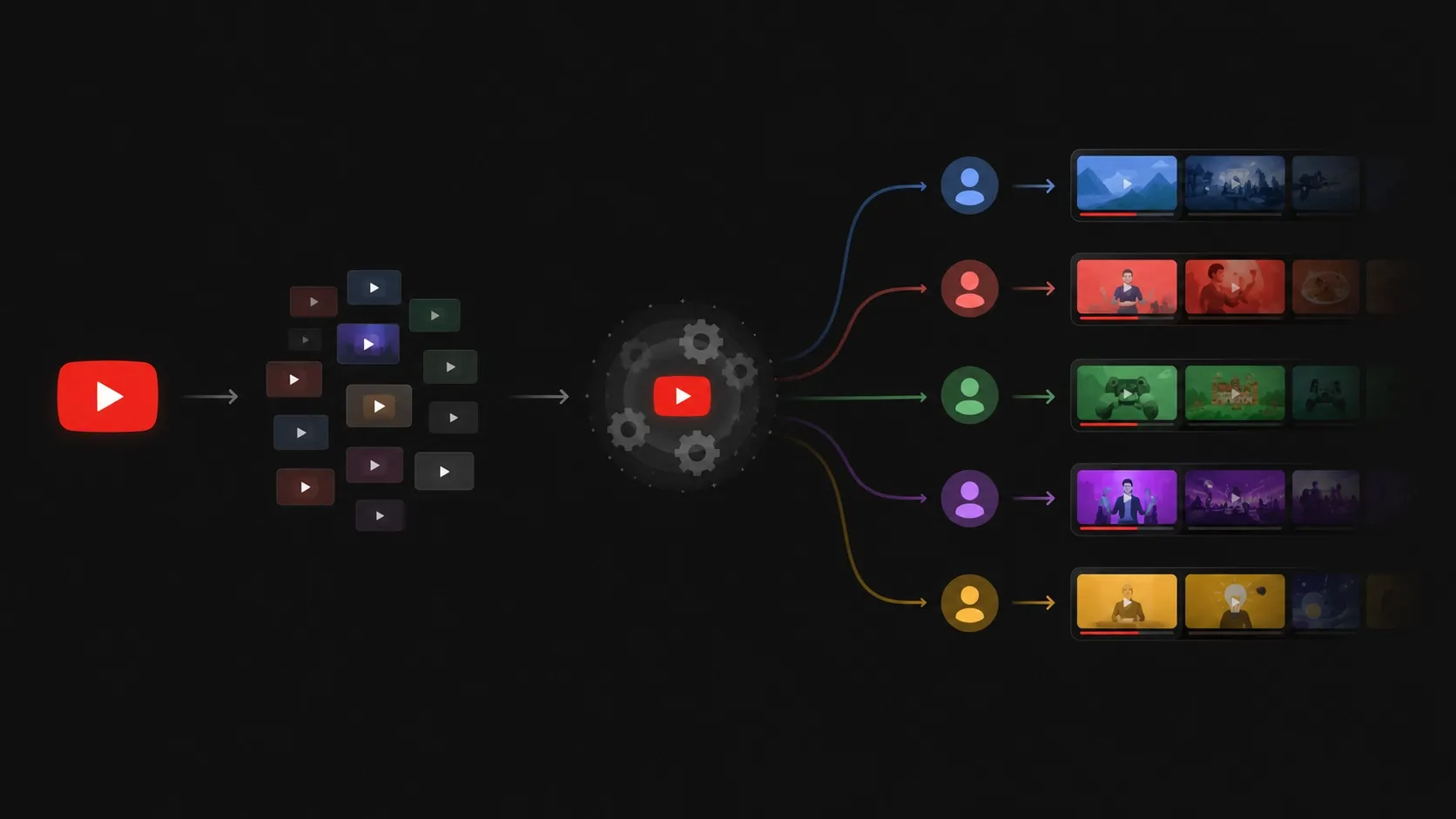
The first thing you need to understand about YouTube’s algorithm is that it works like a matchmaking system, connecting viewers with videos they love to watch. If your video doesn’t align with viewer interests, it won’t be recommended.
The algorithm looks at signals like click-through rate, watch duration, and engagement. It now cares more about viewer satisfaction than raw views or subscriber counts. Simply put, it amplifies videos that prove valuable to audiences, making video quality very important.
This can mean placing more emphasis on scriptwriting and pacing to keep viewers engaged for longer. You can even use a powerful tool like the script to video AI generator by Pollo AI to prototype your content and quickly review what needs improving before publishing on YouTube.
Full Video Creation Starts Here
Join 10M+ creators using Pollo AI to generate videos with every top model.
Try Pollo AI for Free
What Are the Differences In YouTube’s Algorithms?
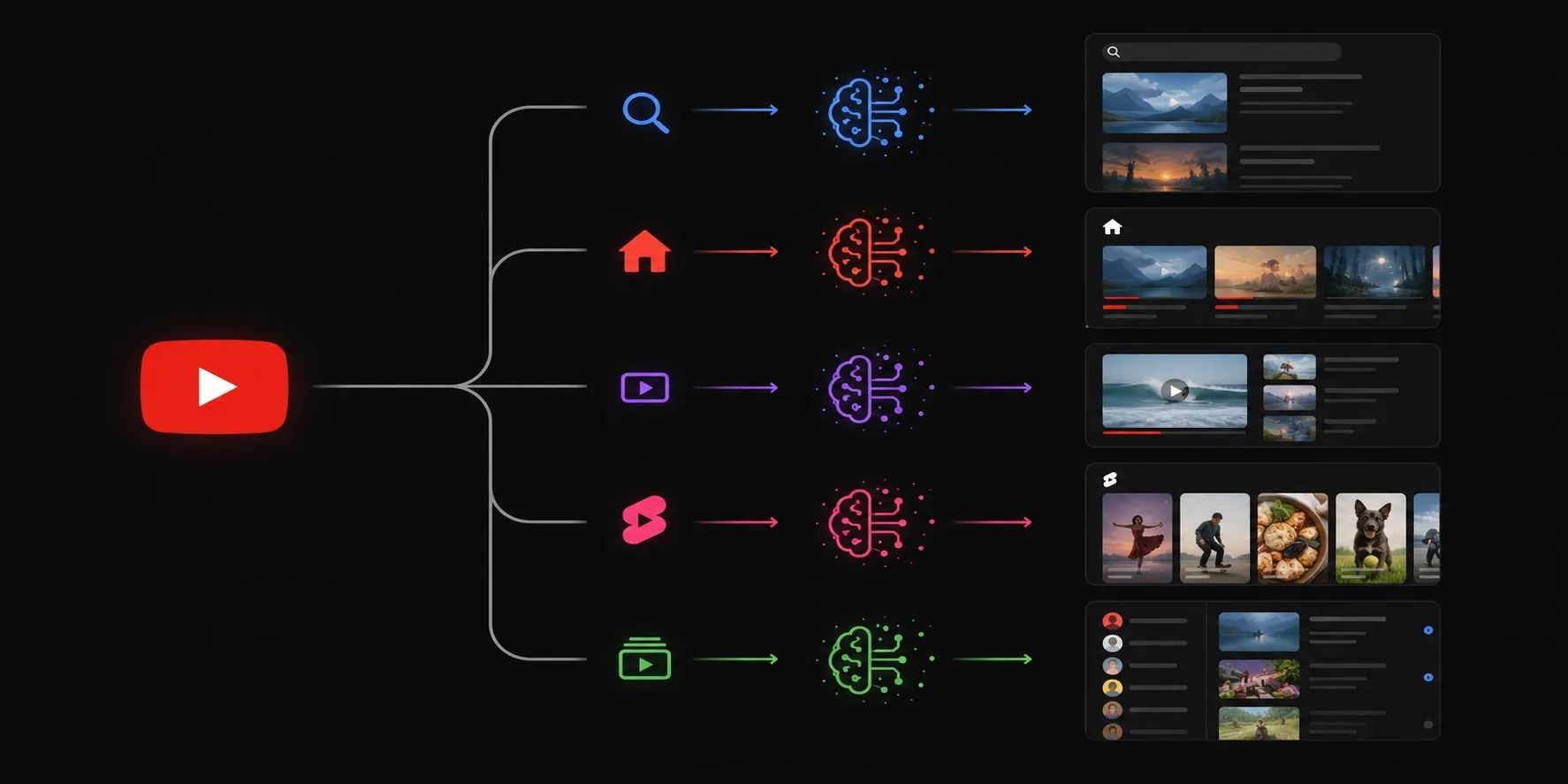
An important point that most people may not know is that YouTube doesn’t just have one algorithm. It has several systems working to keep viewers satisfied. The ‘Homepage’ algorithm uses watch history and viewing habits, while ‘Suggested Videos’ recommends content commonly watched together.
The ‘Search Results’ algorithm assesses keywords, CTR, and watch time to rank relevant videos. Finally, the ‘YouTube Shorts’ algorithm uses interests and watch history to personalize its dedicated feed.
It also factors in metrics like average view duration (AVD) and swipe-away rate to determine which videos are shown to users and in what order. Speaking of which, if you need help creating Shorts, then try using the YouTube Shorts generator by Pollo AI. With it, you can turn any raw idea into a polished, viral-worthy clip in minutes.
How To Get YouTube’s Algorithm To Recommend Your Videos
We’ve laid out how the algorithm works, but understanding that is not enough. You also need to know how to navigate its parameters to grow your channel effectively.
At its core, the algorithm simply wants to show audiences videos that they will enjoy to keep them on the platform for longer. If you can help YouTube achieve that, then it’s smooth sailing.
#1. Craft Eye-Catching Thumbnails & Titles
When people land on their homepages or browse their suggested lists, the thumbnail and title are the first point of contact between them and YouTube creators. This means you need to stand out.
If you look at creators like @TheDiaryofaCEO, you’ll see how they use short texts, bold colors, and expressive faces in their thumbnails to pull in viewers. You can feel free to use a tool like the Pollo AI image generator to help design your own custom thumbnails.
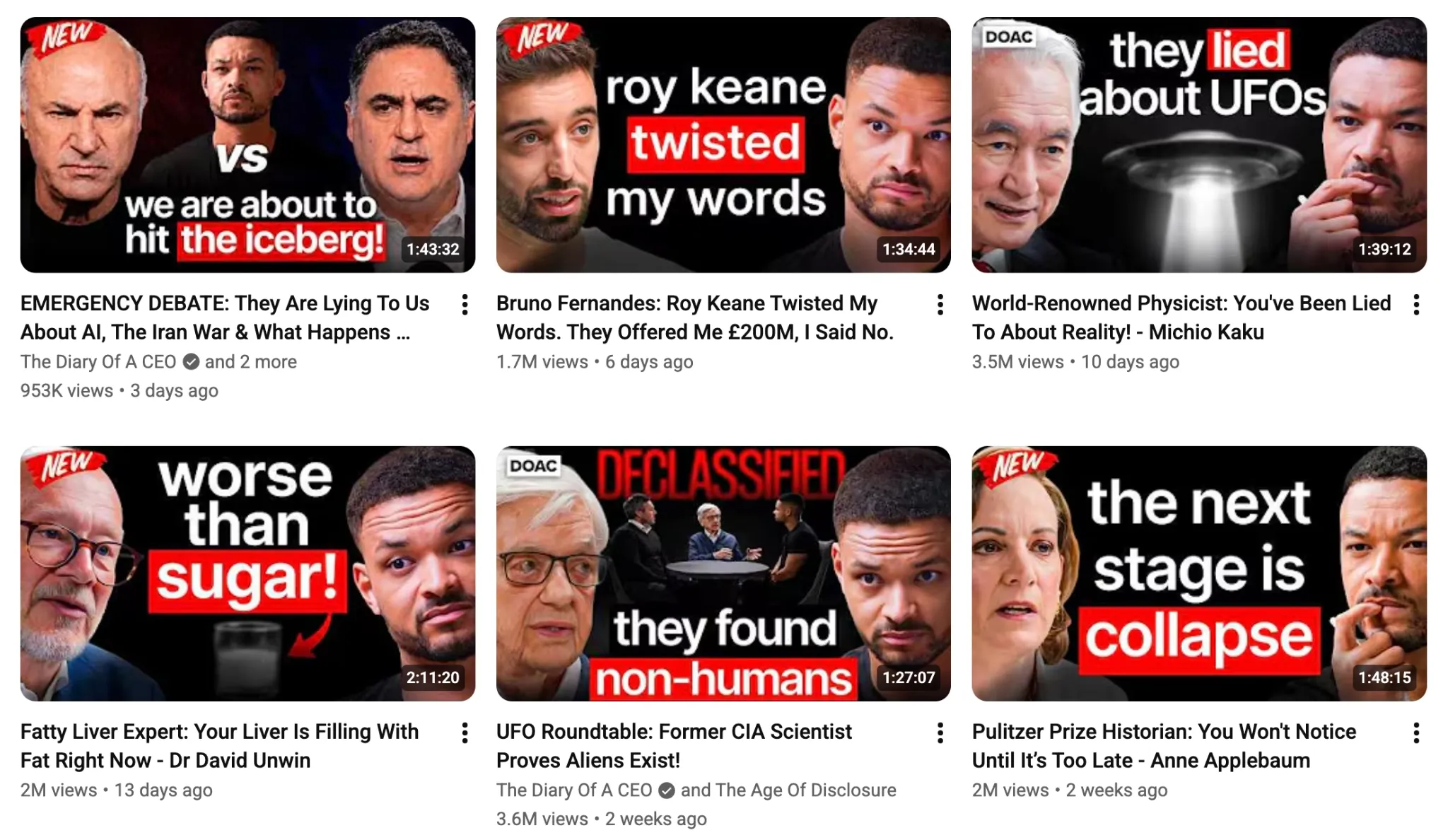
On top of that, you need short but intriguing video titles that will entice audiences to click. You can see some fantastic examples of this in the image above.
The trick here is to make people curious while also giving them an idea of what the video is all about. If you can strike that balance well, then your click-through rate will skyrocket.
#2. Hook Viewers in The First 10-15 Seconds
Between the YouTube homepage and recommendations, competition for attention on YouTube is ridiculously high. This means you can’t afford to drag out your introductions. You need to grab viewer attention right away to keep them glued to your video.
One way to consider is using fun and engaging intros that hook audiences instantly. You can use the YouTube intro maker by Pollo AI to create custom intros for your videos. Alternatively, you can skip introductions altogether by providing value within the first 10-15 seconds.
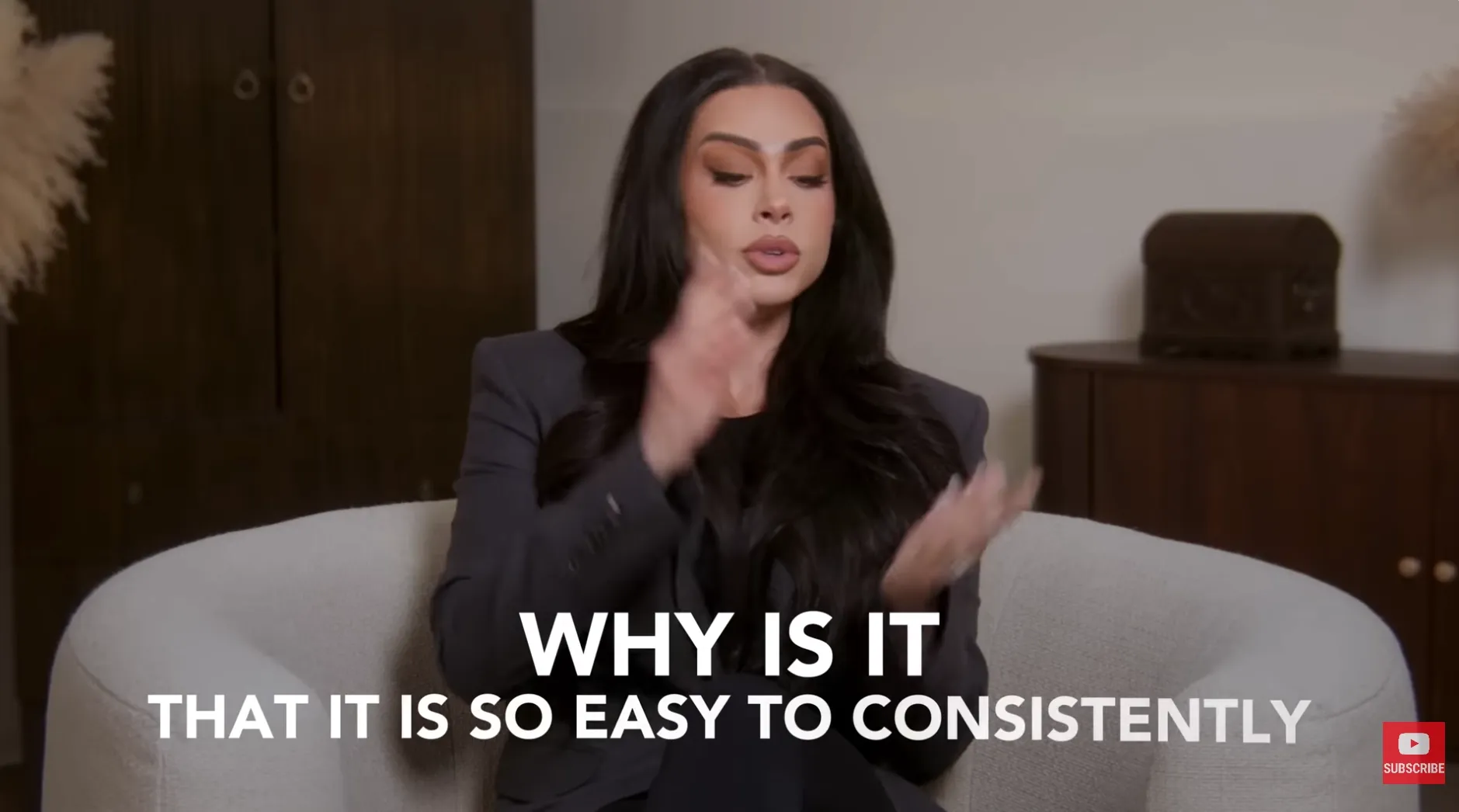
If you look at YouTube channels like @LeilaHormozi, she doesn’t waste time and gets right to the heart of the subject matter. No slow intros or greetings, just immediate value.
This approach will help you improve viewer retention and total watch time, which signals to the algorithm that your content is valuable and worth recommending to others.
#3. Use Relevant & Niche Keywords for YouTube SEO
If you want to climb up the YouTube search rankings, then don’t make the mistake of using overly broad keywords. You need to keep them relevant, but try to be more specific with them.
For example, using a broad title like ‘cat food recipe’ will make it hard to rank against bigger channels. But a specific title like ‘cat food recipe for senior cats’ gives you a better chance.
To start, check the YouTube search bar to see what search terms people frequently use within your niche. You can also check to see what your competitors used in their most popular videos.
As for descriptions, don’t over-stuff them with keywords. Most of the time, 3-4 keyword terms are enough, but make sure they are used consistently across the title, description, and tags.
#4. Create YouTube Playlists with Related Videos
Creating YouTube playlists is a fantastic yet underrated hack that can help make your channel look more valuable to the algorithm. How? The answer lies in the autoplay feature.
Every time audiences watch a video in a playlist and finish it, they’ll be automatically directed to the next video in your channel. And the more this happens, the higher your session time climbs.
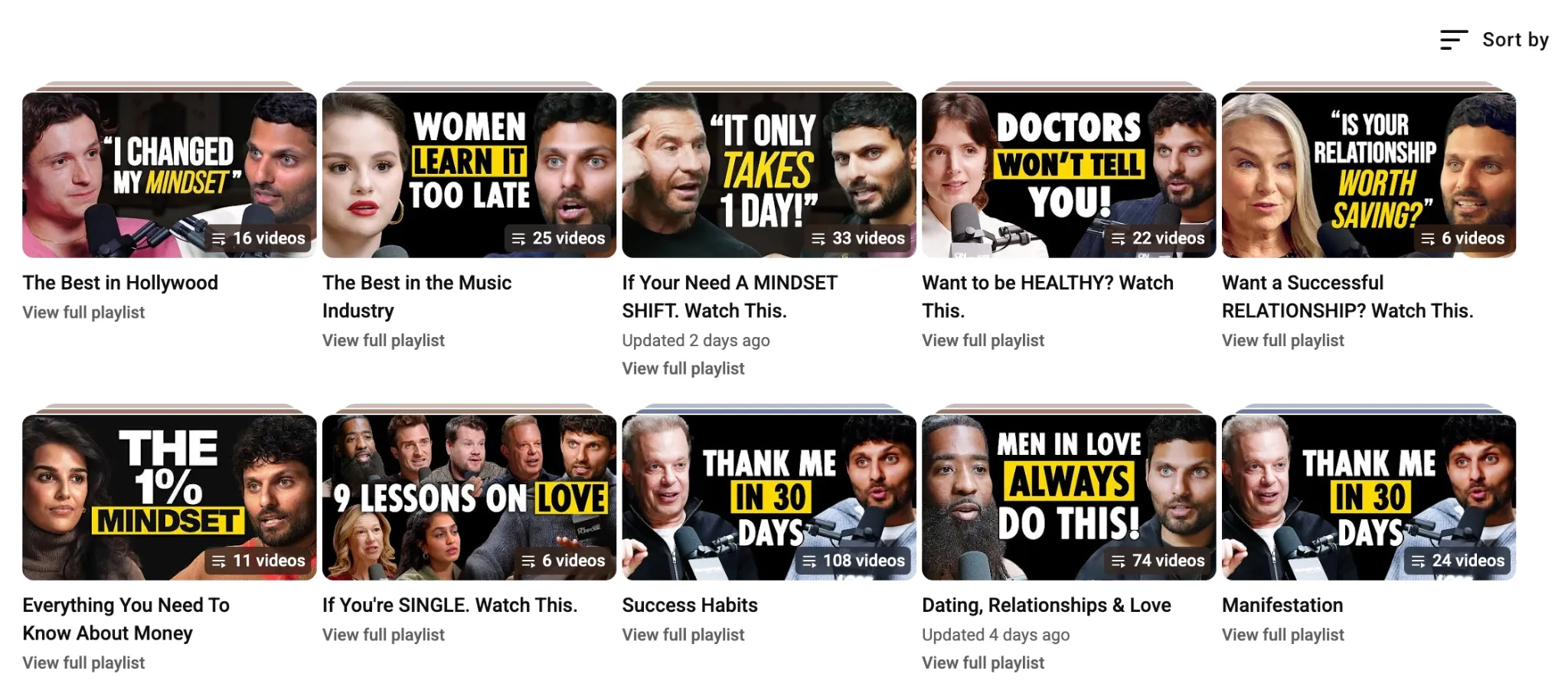
As we said before, YouTube wants audiences to stay on the platform longer. Your playlists can help with this, and in turn, the algorithm will recommend your videos to other users more often.
Just be sure to categorize your videos with relevant videos. Don’t create playlists with unrelated videos; otherwise, viewers will just abandon them, which looks bad to the algorithm.
#5. Use End-Screens & Pinned Comments as CTAs
A lot of creators underestimate how effective it can be to nudge or ask audiences to watch their other videos. One indirect way to do this is by using end-screens.
When these pop up at the end of a video, many viewers are compelled to watch more content, which dramatically boosts your session time.
Another strategy is to use pinned comments to direct audiences to another related video on your channel. It can be particularly effective at pulling in new viewers to older videos.
You can also add personalized outros that nudge audiences to watch more of your videos. If you use the YouTube outro maker by Pollo AI, it’ll take you minutes to create memorable end scenes.
Conclusion
All in all, if you want YouTube’s algorithm to favor you, then you need to meet its expectations. Focus on creating valuable content that audiences want to engage with, and with the proven tips we’ve outlined above, you should have a very good chance of doing this.
As for scaling your content production, you can simply head to Pollo AI. With access to top-tier AI models, powerful tools, and countless specialized workflow apps, you can start streamlining your video creation in a few clicks!