

How to Make a YouTube Viewer Avatar That Grows Your Channel
Many new YouTubers jump headfirst into uploading videos without a clear understanding of their audience. But without a viewer avatar, all you’ll be doing is rolling the dice.
In fact, when you check the subreddits, there’s a lot of confusion among new creators who are trying to find a solid footing to grow their YouTube channels. So, what can you do?
This is where making a viewer avatar pays huge dividends. It helps you to understand your target audience and plan the right content that will resonate with them.
But if you’re still confused, don’t worry. We’ll give you the full low-down on viewer avatars, and even explore how Pollo AI can play a role in your hunt for viral success on YouTube!
TL;DR
Creating a YouTube viewer avatar is essential for identifying your target audience and refining content planning, packaging, and personalization. By analyzing demographics, behavioral habits, and emotional triggers, you can understand exactly what resonates with your viewers. Supplementing this data with insights from comments and competitor research allows you to build a precise audience profile, ensuring a focused video strategy that drives consistent channel growth.
Why Do You Need a YouTube Viewer Avatar?
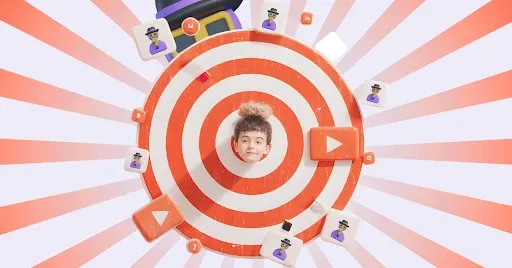
Some people may think a viewer avatar refers to their profile picture, which is an understandable mistake. In truth, it’s basically like a fictional character that you make.
But what makes it relevant is that the viewer avatar is meant to represent your real target audience. And because of that, you will be using real data to create them.
This means gathering information on your ideal viewers, like age, gender, interests, viewing habits, personality traits, etc. All this is simply meant to give you a single point to focus on.
To put it another way, you can think of a viewer avatar as a guiding post. It reflects the type of person your videos are supposed to satisfy.
Instead of being confused or overwhelmed trying to please everyone, you can now better focus your energy on creating the type of video content your viewer avatar would like.
For instance, when using a tool like Pollo Agent, having a viewer avatar can be your baseline for directing the theme/concept of your videos. Other benefits of having one include:
- Faster Planning: With a viewer avatar, it becomes less about ‘what am I going to create next?’ and more about ‘how do I make this idea work?’. You can easily pinpoint what your audience will like, allowing you to create and upload videos more consistently.
- More Focused Content: Content inconsistency can hurt your YouTube growth because viewers like channels with a clear identity. A viewer avatar helps you stay focused on relevant topics and not stray from the path by hopping from one wild idea to the next.
- Better Packaging: Picking out the right thumbnails and titles can be tricky, but with a viewer avatar to help, it becomes straightforward. After all, you have a clear image of who you need to impress, so settling on looks/texts that bring clicks takes less time.
- Greater Personalization: Viewer avatars make it easier to nail the type of content that touches on the personal issues or interests of your audience. Because of this, they will feel more connected to your channel and be more eager to engage.
How Do You Create a YouTube Viewer Avatar?
Firstly, creating a viewer avatar for YouTube is not as simple as it sounds. It involves quite a bit of audience research to discover what makes them tick.
Once you have the information, you can use a tool like Pollo AI Avatar to bring the character to life in a talking-head video, with lip-syncing and natural voiceovers included.
But first things first, you need the data, so head over to your YouTube Analytics. From there, you will discover who has been watching your videos so far, and you’ll also see:
#1. Demographics
This is important because it tells you everything you need to know about who they are. This includes discovering the average age, gender, region, etc.
Using this information, you can get a better idea of the type of content they will respond best to. For example, people in their 20s will usually have different interests than those in their 30s.
Or if you have a bigger audience in Europe than the US, then you can focus on addressing trends and topics that are making more of an impact there to boost engagement.
Essentially, this is the first layer of data that you need to look at. It’s the core that determines the basic characteristics of your viewer avatar.
#2. Behavioral Traits
This is all about following their activities on your channel. What type of content does your audience seem to be engaging with the most?
Is it YouTube Shorts? Long-form videos? Which videos are getting the most views? What are the topics that seem to be getting a lot of comments?
By checking this data, you can start to narrow down what is performing well and what isn’t. In other words, you find out what your viewer avatar likes and doesn’t like.
The more you learn about their behaviour on your channel, the better you have a handle on the audience's mind and the direction they want you to take.
#3. Emotional Motivators
Emotion drives people to take action, which includes clicking on YouTube videos. To create an accurate viewer avatar, you need to know which emotional triggers work best on your channel.
Which videos do they seem excited by? Is it the ones sharing knowledge? Perhaps they like being entertained? Or are they more active around controversial topics?
Once you see where your audience is reactionary, you can start to gauge what your viewer avatar should be made to feel. Plus, this can impact your content plan.
For instance, if they are more eager to learn, then you can worry less about production and focus on delivering information by using tools like Pollo AI’s image-to-video to scale output.
Other Ways To Gather Data for a YouTube Viewer Avatar?
Besides YouTube Analytics, you can head to your comments section to find out first-hand what people seem to be saying about your videos.
You can gauge a great deal about what type of content your audience resonates with most there. Are they leaving positive comments? If so, what did they enjoy?
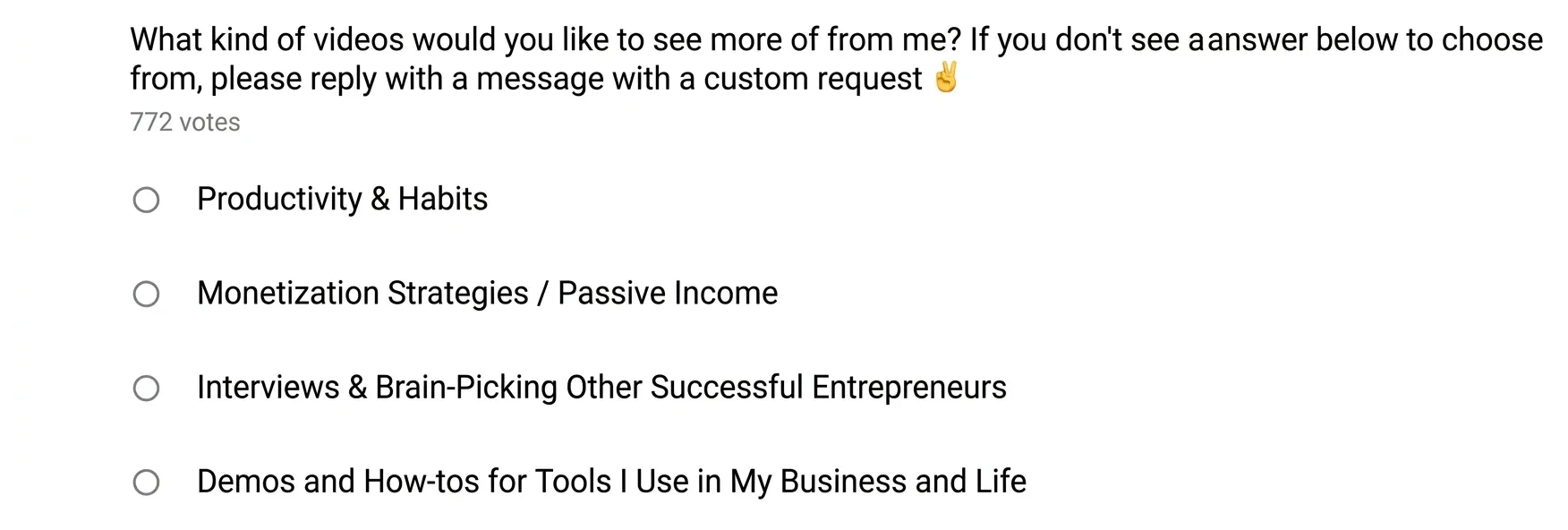
If not, then see what they are unhappy about. But don’t just stop there. You can also create community polls, hold discussions in community posts, etc.
It also helps to check out your competitors. See what’s performing well on their YouTube channels and read through the comments on those videos, too.
Once you have all this information, go through it and look for recurring themes, opinions, interests, etc. From there, just break it all down into a simple avatar profile.
Put down the viewer avatar’s estimated age, interests, goals, challenges, favorite videos, preferred topics of discussion, etc. It’s like filling out a questionnaire.
After that, you will have a clear idea of who it is you are making YouTube videos for and can start to explore new ideas that will perform better.
You can even try out Pollo AI’s text-to-image generator to instantly bring your ideal viewer to life in real time based on a simple description.
Conclusion
Going viral on YouTube is not just a matter of luck. It’s often about understanding your audience, then constantly refining your video content until you’ve nailed down a working formula.
By making a viewer avatar, you give yourself a clear target to aim for. No more random uploads and just hoping it works. Now, you can give the people exactly what they want.
And if you need help, remember that Pollo AI can automate your content production. From designing thumbnails and avatars to producing Shorts and long-form videos, go try it out today!