


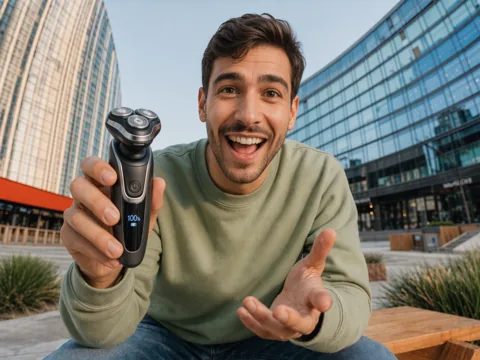
Self-Rescue Cliff VIDEO Breakdown (Prompts Included)
Recreating this self-rescue cliff video works best when the uploaded character reference controls identity only. Let the prompt define the cliff geography, danger version, rescuer version, wardrobe change, camera progression, emotional timing, subtitle, and ocean audio. The two visible characters must remain the same person, not two unrelated identities.
Tutorial:
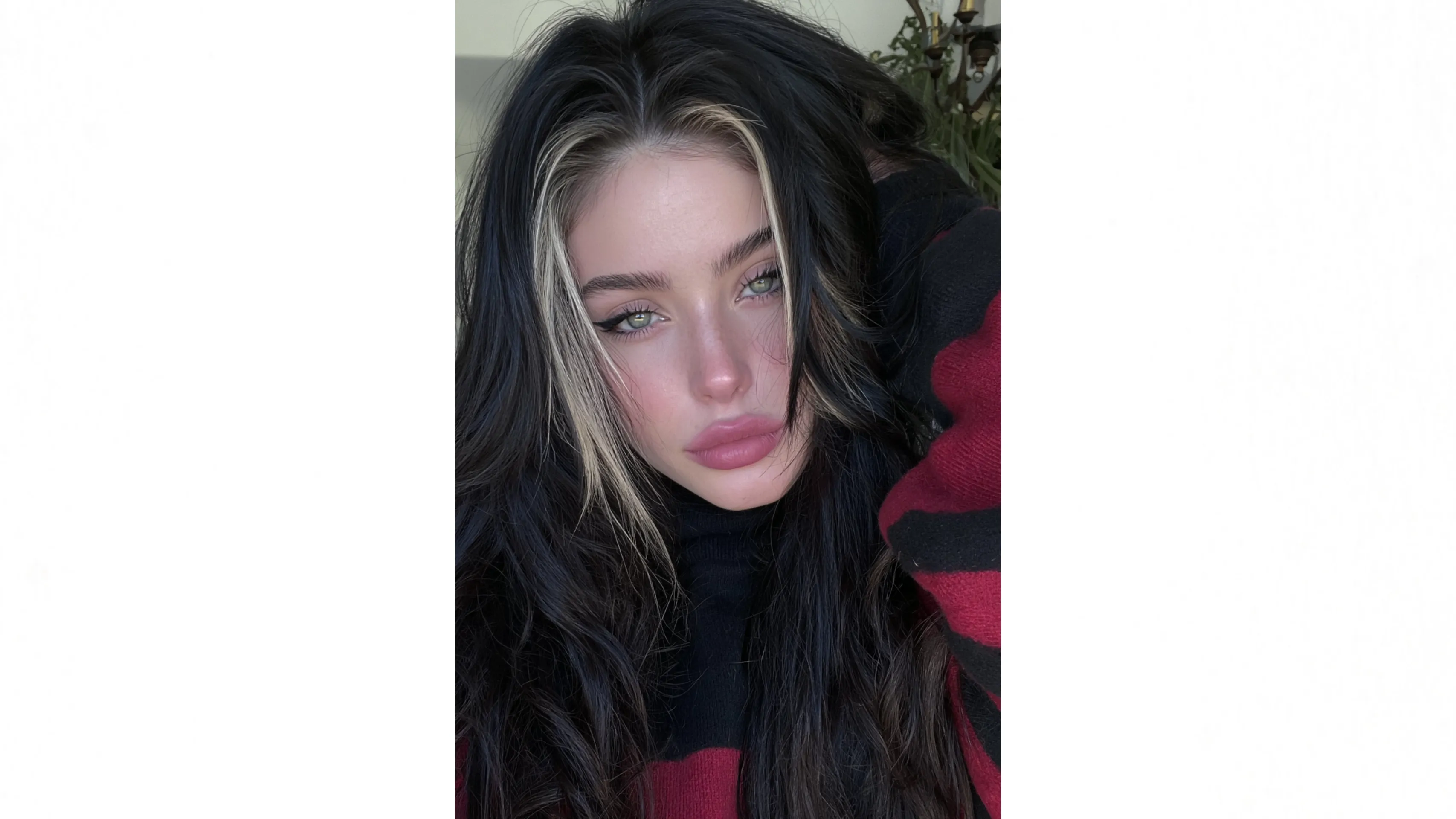
Upload your prepared image or pick assets from your Creations library. Select reference-to-video mode and paste your video prompt. You can also upload a video for motion reference.
Note: Add @your-image for image reference and @your-video for video reference inside the prompt. Pick any of these models: Seedance 2.5, Seedance 2.0, MiniMax H3 or Wan 3.0. Click Generate after confirming all settings.
Your Photo
Video Prompt: One Identity, Two Versions
PROMPT HEADER:
REFERENCE ROLE:
Use the uploaded character reference as the main identity guide. Preserve the character’s facial identity, body shape, hairstyle, clothing style, posture, and overall presence.
The exact same reference identity appears as two versions of one person: one version is hanging from the edge of a dark sea cliff, and the other version is standing above as the rescuer. Both versions must share the same face, proportions, skin tone, hairstyle, gaze quality, and overall presence. Do not create two different identities.
FORMAT AND VISUAL STYLE:
Create a 15-second vertical 9:16 cinematic video. Set the story on a stormy ocean cliff with black wet volcanic rocks, crashing blue-green waves, cold mist, sea spray, a gray overcast sky, and dramatic coastal wind.
Use a cinematic, emotional, fashion-editorial, realistic high-end short-film style with shallow depth of field, soft cold daylight, a muted teal-gray palette, tactile water droplets, and physically believable movement.
WARDROBE:
The cliff-edge version wears the exact same outfit shown in the character reference image. Preserve the reference outfit’s silhouette, fabric texture, colors, layering, fit, footwear, and overall styling.
The rescuer version wears a refined white suit set with a clean structured blazer, a simple white inner layer, white tailored trousers, and a white wide-brim hat. Use minimal neutral tailoring.
Keep both outfits elegant and weather-worn by mist and sea spray. Preserve wardrobe continuity within each version across all shots.
STORY AND EMOTIONAL FUNCTION:
A single identity confronts danger and rescue at the same time. One version is nearly falling from the cliff and grips the rock with both hands. The other version reaches down calmly and pulls the cliff-edge version back to safety.
The emotional meaning is self-rescue, inner strength, survival, quiet confidence, and the realization that help can come from within.
SHOT TIMELINE:
0.0–2.0 SECONDS — CLIFF HOLD:
Use a high-angle overhead shot. The cliff-edge version clings to the black rock ledge with both hands while violent ocean foam churns far below.
The body is pressed against the cliff edge, making small desperate attempts to climb upward. Each effort lifts the body only slightly before gravity pulls it back down. The head tilts upward toward the top of the cliff with fear and effort.
Show wet hair, soaked clothing, trembling fingers, unstable breathing, and realistic body weight. The camera slowly pushes downward, creating controlled vertigo without losing the character’s anatomy.
2.0–4.5 SECONDS — WAVE IMPACT:
Continue the high-angle overhead perspective. A heavy wave crashes upward against the cliff. Sea spray washes across the lens and partially covers the frame.
The cliff-edge version keeps the head angled upward while gripping the ledge tightly. The character continues trying to climb, but the wave and gravity force the body back against the cliff. The powerful wave impact peaks during this section.
4.5–5.6 SECONDS — EXHAUSTED FACE:
Use a close shot from ledge level. The face rises into frame, wet, exhausted, and frightened, with the eyes looking upward. Fingers scrape against the dark stone. Keep the background ocean blurred but visibly violent and moving.
5.6–7.1 SECONDS — REACHING HAND:
A hand enters from the upper frame and reaches downward. Shift focus from the exhausted face to the approaching hand.
The cliff-edge version hesitates for one brief beat, then reaches toward the rescuer’s hand. Keep the hesitation visible before contact.
7.1–8.4 SECONDS — RESCUER REVEAL:
Use a reverse angle to reveal the rescuer version above the ledge, wearing the white wide-brim hat and pearl-textured white outfit.
The rescuer kneels low with one arm extended, calm and focused. Mist blows across the frame. Hold a low heroic angle from below the ledge. The rescuer’s face remains visible and readable.
8.4–10.5 SECONDS — HAND CONTACT:
Use an extreme close-up of the two hands. Fingers almost touch, slip slightly because of water, and then lock firmly together.
Keep the hand contact realistic: one clear grasp, no extra fingers, no duplicated hands, no broken anatomy, and no instant teleportation into a locked grip.
10.5–13.2 SECONDS — PULL-UP:
Use a wider shot. The rescuer version pulls with steady force while the cliff-edge version climbs over the ledge.
One knee rises onto the rock. Boots scrape against the wet cliff. Ocean mist surges behind them. The camera shakes subtly with the physical effort, but the movement remains controlled and readable.
13.2–15.0 SECONDS — CALM SELF-BELIEF:
Use a tight emotional close-up after the rescue. The rescuer version holds the cliff-edge version close. The rescuer’s right hand gently strokes the back of the cliff-edge version’s head in a comforting gesture.
Keep the rescuer’s entire face clearly visible and well lit. The wide-brim hat must not hide the face or obscure the eyes; angle the hat slightly upward or position the camera so both eyes remain fully readable.
The rescuer looks directly into the camera with a gentle yet determined expression, conveying self-belief, quiet confidence, emotional control, and a relaxed sense of ease. End on this calm, self-assured gaze with soft sea mist and muted coastal light.
Do not turn the face away, hide it under the hat, or cover the eyes with shadow.
ON-SCREEN TEXT:
Only one subtitle appears at the lower center throughout the video in elegant white serif type with a subtle shadow:
“Only you can save yourself
No one else...”
No other readable text appears.
AUDIO:
Begin with low cinematic ambience, distant wind, deep ocean rumble, and tense soft strings.
Add a strong crashing-wave sound at 3.5–4.0 seconds. Keep breathing and wet-hand contact subtle but audible during the close-ups.
Add a rising emotional swell from 8.4 seconds as the hands connect. Peak the music and ocean impact around 11.0–13.0 seconds during the pull-up.
End with softer waves, wind, and a warm resolved musical tone.
CONTINUITY RULES:
Both visible versions are the exact same reference identity, styled differently only by situation and wardrobe. Preserve the face, body shape, hairstyle, and overall presence across every shot.
Maintain the same cliff location, wet black-rock texture, stormy ocean direction, mist behavior, subtitle placement, and emotional arc.
Do not add random extra people. Do not allow identity drift, glamour-pose breaks during the danger sequence, comedy, fantasy glow, superhero effects, a clean studio background, extra captions, distorted hands, duplicated limbs, or changing outfits mid-shot.
NEGATIVE PROMPT:
two unrelated identities, changed face, face drift, changed body shape, changed hairstyle, changed skin tone, extra people, extra rescuers, extra cliff-edge characters, duplicated limbs, extra fingers, fused fingers, broken hand contact, missing hands, impossible climbing, teleportation, instant grip, falling to the ocean, death, blood, injury, fantasy glow, superhero effects, clean studio background, glamour pose during danger, changing wardrobe, hidden rescuer face, hat covering the eyes, heavy eye shadow, camera losing the subject, random camera cuts, excessive camera shake, subtitles other than the exact provided line, extra text, logos, watermark, cartoon, anime, glossy CGI, low resolution
Final Summary
Create a 15-second vertical cinematic video in which one character confronts danger and rescues herself. Use one uploaded character reference to preserve the same face, body shape, hairstyle, gaze quality, and overall presence across both visible versions.The sequence moves from a dangerous cliff hold to a close hand connection, a controlled pull-up, and a calm final embrace. The stormy ocean, wet volcanic rocks, cold mist, wardrobe contrast, subtitle, and audio arc work together to express self-rescue, inner strength, and survival.