

What is Vidu Q4? Discover What This New AI Video Model Has To Offer
Vidu Q4 is finally here, and I’m super ecstatic about it, especially given its specs. It seems to be a significant upgrade over its predecessor, Vidu Q3, so there’s a lot to unpack about what it can and can’t do. If you want all the tea on what makes this new AI video model special, then you’re in the right place to learn everything you need to know. Let’s get into it, shall we?
TL;DR
Developed by ShengShu Technology, I see Vidu Q4 as a hugely dramatic upgrade over its predecessor, Vidu Q3. This new video model offers broader multi-image and voice referencing, more expressive character performances with precise lip-syncing, enhanced multi-shot storytelling, and up to 4K resolution support. Feel free to test its full capabilities via Pollo AI now!
Vidu Q4 vs Vidu Q3: Features & Comparison At a Glance
Vidu Q4 brings some substantial new features that I’m eager to dive into. But before that, let’s just quickly summarize how this latest video model compares to its predecessor, shall we?
| Aspects | Vidu Q4 | Vidu Q3 |
| Text-to-Video | Not currently available in the Vidu Q4 release | Supported, making Q3 more convenient for generating concepts directly from a written prompt. |
| Image-to-Video | Animates one image into a 3–16-second clip. | Yes. |
| Reference-to-Video | Supports up to 15 image references for characters, clothing, objects, products, environments, and styles. | Supported, but the reference limit is maxed out at 7 image references. |
| Audio References | Supports up to 3 audio references to help maintain a character’s voice and emotional delivery. | Strong native audio support, but fewer prominently advertised voice-reference controls. |
| Native Audio | Yes. Generates synchronized audio with video, including dialogue, voice performance, effects, and environmental sound. | Yes. Generates dialogue, voiceover, sound effects, music, and other audio together with the video. |
| Maximum Duration | Up to 16 seconds. Reference-to-video can reportedly begin at 1 second, while image-to-video supports 3–16 seconds | Up to 16 seconds, depending on the selected mode or variant. |
| Maximum Resolution | Up to 4K, with 2K and 4K output advertised with 10-bit color depth. | Generally up to 1080p for generation; higher sizes may require separate upscaling |
| Motion & VFX Quality | Targets smoother running, martial arts, combat, explosions, smoke, particles, and energy effects, with fewer deformations and stutters. | Relatively strong motion and cinematic generation for different quality, advertising, and drama needs. |
| Multi-Shot Storytelling | Built to intelligently combine multiple visual beats and shot changes within a single generation. | Renders complete short narrative clips, with strong emphasis on storytelling continuity and camera rhythm |
| Character Performance | Offers more expressive faces, emotional range, body movement, voice alignment, and natural acting. | Strong character consistency and native dialogue, particularly for short dramas and cinematic scenes. |
| Key Strength | More reference control, voice references, 4K output, 10-bit color, and improved expressive performance. | Text-to-video support, multiple specialized variants, and a more established production workflow. |
| Key Limitation | No current text-to-video capabilities, inconsistent generations at times, and potentially higher cost at 4K. | Lower max resolution, fewer reference controls, and less of a focus on voice-reference-driven performance. |
Introducing Vidu Q4: What Makes This Video Model Special?
Vidu Q3 has always been a relatively strong video model, but it did have a few shortcomings, particularly when it came to maintaining character consistency across complex sequences. It would often drift or lose track of specific details, leading to flickering and warping.
But what I like about Vidu Q4 is that it seems to have a direct response to that. Compared to Vidu Q3, I see it as the more reference-heavy model with a higher-resolution output and stronger visual performance. Having said that, let’s explore these new capabilities in detail:
Multimodal Video Generation
I was disappointed to discover that Vidu Q4 doesn’t support text-to-video generation. But it does bring a few changes for image-to-video and reference-to-video rendering. With I2V, you can upload a single still image and have it animated into a video between 3 and 16 seconds.
As for R2V, this is where the upgrades Vidu Q4 brings become more apparent. With this new model, you can upload between 1 and 15 reference images, compared to the previous max of 7. This lets you better establish and preserve characters, outfits, places, and objects in one take.
Native Audio & Voice Referencing
Similar to Vidu Q3, the new model supports native audio, including dialogue, sound effects, and ambience. But what I like about Vidu Q4 is that it now accepts up to 3 audio references, making it easier to maintain vocal identity with natural emotional delivery and lip-sync.
With Vidu Q3, I often found it hard to render multi-character scenes with dialogue. But this new release means there’s a better chance of producing more vocally consistent social skits, product videos, cinematic shorts, etc. Plus, it also offers improved lip-sync delivery for good measure.
Bring Your Creative Vision to Life With Vidu Q4
Create captivating videos with expressive motion, synchronized sound, and stunning visuals on Pollo AI.
Try Vidu Q4 on Pollo AI
Multi-Shot Storytelling
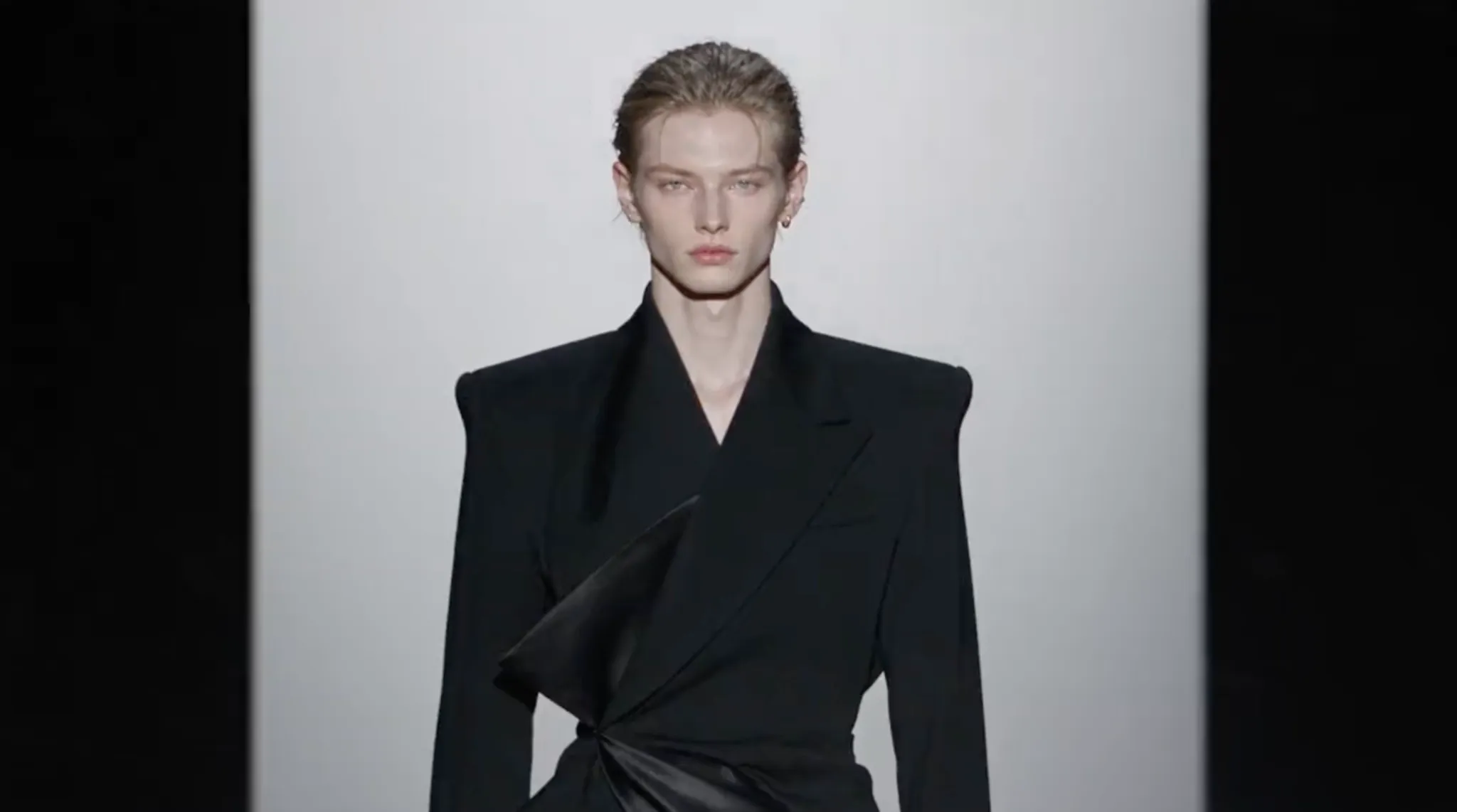
Vidu Q4 brings multi-shot storytelling to the table, which means it can finally combine several visual beats inside a single take. Even with complex choreography, I can now rely on it to better coordinate camera movements to fit the action/narrative.
With the maximum clip length still set at 16 seconds, it doesn’t leave much room for a complete narrative sequence. But this opens up new opportunities to develop cinematic teasers for character-led shots, action concepts, stylized work, etc. Here’s a good example of this in action:
Prompt: Create a cinematic high-fashion film using the reference photo. Showcase the model in the same sculptural black outfit across three locations: a misty mountain peak, an exclusive fashion runway with flashing cameras, and a vast, brutalist concrete maze. Use low-angle tracking, slow-motion walks, dramatic transitions, and editorial close-ups. Photorealistic, avant-garde luxury aesthetic, consistent model and outfit.
| Ref Image | Output Video |
|---|---|
 |
Improved Character Motion & Richer VFX
One particular area that I’m glad Vidu Q4 placed a lot of emphasis on improving is character performance. It brings smoother motion to scenes with fast or difficult movement, including running, martial arts, combat, etc.
But I was most impressed to see that it also coordinates facial expression, emotional state, body movement, and lip-synced speech more convincingly. I also noticed that it renders special effects like explosions, smoke, particles, etc., more naturally for a stronger cinematic punch.
Resolution and Color Depth
When using Vidu Q3, video resolution is capped at 1080p. But this time around, we got a massive upgrade, as Vidu Q4 extends up to 2K and 4K output with 10-bit color depth. The most obvious benefit of this is less dependency on upscaling for cinematic-level outputs.
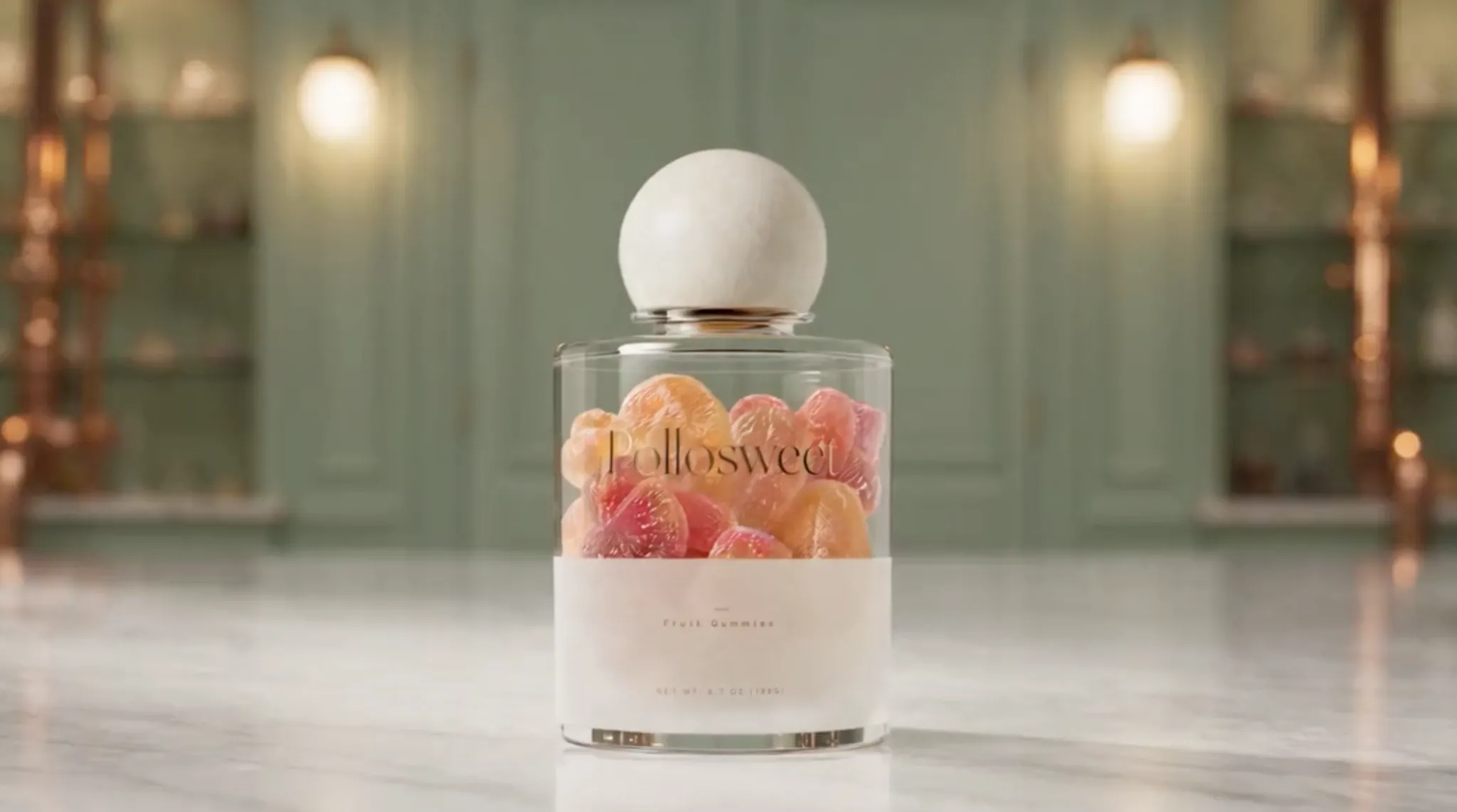
Plus, with added 10-bit color, you can expect smoother gradients than before across lighting, skin tones, shadows, etc. I put this to the test, and it is definitely a big improvement from what Vidu Q3 was capable of. You can see how good the visual quality is in this TVC ad video:
Prompt: Create a ‘Pollo Sweets’ gummies brand commercial clip shot inside a vibrant candy factory. Show colorful fruit ingredients swirling into glowing molds, gummies forming in sparkling liquids, and sugar crystals shimmering magically. Use dramatic lighting, vivid colors, dynamic camera movements, and seamless transitions. End with the elegant Pollo Gummies jar.
| Ref Image | Output Video |
|---|---|
 |
Who Does Vidu Q4 Best Suit: A Quick Breakdown
Now that I’ve laid out what Vidu Q4 has to offer, you probably want to know who should be using this AI video model, right? If we consider its capabilities, it becomes easy to break it all down:
| Video Type | Why Use Vidu Q4 | Who It Best Suits |
| Character-driven Shorts | Supports up to 15 visual references and up to 3 audio references, helping maintain a character’s face, clothing, setting, and voice within a short scene. Native audio also supports dialogue and emotional delivery. | Short-film creators, animators, comic-drama producers, independent filmmakers, narrative storytellers. |
| Short Narrative Films | Its 16-second generation length and multi-shot storytelling features are useful for producing individual story beats, scene openings, reactions, and transitions. | Indie filmmakers, AI-series creators, storyboard artists, previsualization teams, writers developing visual concepts |
| Product Advertisements | Multiple image references can define the product, packaging, environment, brand styling, and supporting props. Q4 also supports high-resolution output and dynamic camera movement. | Advertising agencies, e-commerce teams, product marketers, small businesses, freelance commercial creators |
| E-commerce Videos | A product still can be animated into a rotating shot, lifestyle scene, demonstration, or short social advertisement. 2K and 4K output can be useful for polished product presentations. | Online retailers, DTC brands, marketplace sellers, product photographers, social-commerce teams. |
| Social-Media Clips | The short 3–16-second format works well for TikTok, Instagram Reels, YouTube Shorts, promotional teasers, visual hooks, and looping clips. | Social-media influencers, short-form video creators, meme creators, digital agencies. |
| Stylized Animations | Image-to-video can animate existing character art, concept art, manga panels, and stylized illustrations while preserving the original visual direction. | Anime artists, illustrators, manga creators, motion designers, and avatar creators. |
| Action and Effects Shots | Vidu Q4’s brings specific improvements to running, martial arts, combat, explosions, smoke, fireworks, particles, and other dynamic effects. | Action filmmakers, VFX artists, game-trailer creators, stunt designers, concept artists |
| Concept Trailers and Pitch Videos | Creators can turn storyboards, character designs, location references, and mood images into short visual demonstrations before committing to a full production. | Screenwriters, directors, producers, game developers, advertising creatives, design studios. |
How To Create Videos with Vidu Q4: Use Pollo AI To Get Started
Having used Vidu Q4 extensively, I can say it has a lot of potential. I don’t necessarily think it’s a full replacement for Vidu Q3 just yet because there are still some a few kinks to work out. But for the most part, it’s a promising model you should explore yourself.
And this is where Pollo AI comes in. Built as the ultimate AI creative suite for filmmakers, brands, marketers, and creators, I recommend it as the best way to use Vidu Q4. Here, you can also access several other top AI video models like MiniMax H3 Max and Seedance 2.5.
This lets me experiment and seamlessly switch between models to generate the best-quality cinematic clips, animations, promotional ads, social clips, etc. In fact, Pollo Agent helps me a lot in this area because it fully automates the production; no manual editing is required.
And if I want to be more surgical with my video creation, I can always turn to Pollo Director. It gives me full control of every component in a sequence, be it camera, lighting, pacing, dialogue, subtitles, etc. This lets me precisely shape the ideal final cut on a proper multitrack timeline.
So, if you want access to Vidu Q4 and more, be sure to head to Pollo AI. As a first-timer, it’s free to use; just sign up for an account, and you’re good to go!
Conclusion
If you want to produce short, visually controlled videos, then Vidu Q4 can be quite useful. It’s a definite improvement from its predecessor, and I think that alone is good enough reason to see what it’s capable of. Plus, it’s still new, so I’m sure we can expect more improvements ahead.