

Vidu Q2's New Turbo and Pro Models Review: Encouraging Results with Notable Strengths
I recently put Vidu Q2 to the test. It brings several promising features, and while I did notice some issues with character details and motion, the results also showed clear improvements worth noting.
Vidu Q2 highlights several key advancements compared to Vidu Q1.
It offers two distinct video generation modes: 'Turbo' for fast, motion-heavy videos, and 'Pro' for cinematic visuals with greater detail, albeit slower.
Vidu Q2 also claims improved visual consistency across scenes, precise prompt interpretation, a broader motion range for realistic sequences, and enhanced expressive character renders for natural facial and body language.
Additionally, Vidu Q2 promises faster rendering times and seamless video extensions to expand narratives without sacrificing quality.
In my image-to-video tests I found a mix of strengths and areas to refine.
Vidu Q2's Performance: Mixed but Encouraging
My first test used Vidu Q2’s Pro mode on an anime-style image: a little girl opening a magic book as a fairy bursts out in a swirl of light.
This is where Vidu Q2 truly shined. The emotional expression—wide eyes, slight jaw drop, and raised eyebrows—was perfectly captured, conveying genuine wonder. Motion handling was impressive: the camera smoothly tracked the burst of energy, and the girl remained sharp throughout, with no motion blur or warping. The lighting shift from ambient to magical glow added depth and atmosphere, enhancing the storytelling impact.
The fairy itself could use more dimensionality and charm in its design, but the core subject—the girl—was rendered with care, consistency, and cinematic polish. This showcases Vidu Q2’s potential when prioritizing quality over speed.
| Original Image | Generated Video |
 |
Score: 8/10 — Excellent emotional delivery, clean motion, and atmospheric lighting. A standout example of what Pro mode can achieve.
Next, I tested Vidu Q2 Turbo mode, which generated a video in just about two minutes: an Asian girl sitting on a bench, laptop on her lap, holding her phone and laughing.
The output was technically solid: no frame drops, flickering, or distortions. Camera stability was excellent, and the overall scene composition felt intentional and well-balanced. However, the smile came across as slightly over-smooth and lacked subtle muscle movement, making it feel a bit artificial. The skin texture was also subtly altered from the original, losing some natural grain and tonal variation.
Still, for a rapid-generation mode, this result demonstrates strong foundational stability and efficient processing—a great option for quick drafts or mood-based content.
| Original Image | Generated Video |
 |
Score: 6.5/10 — Strong technical performance and speed; needs refinement in emotional realism and texture fidelity.
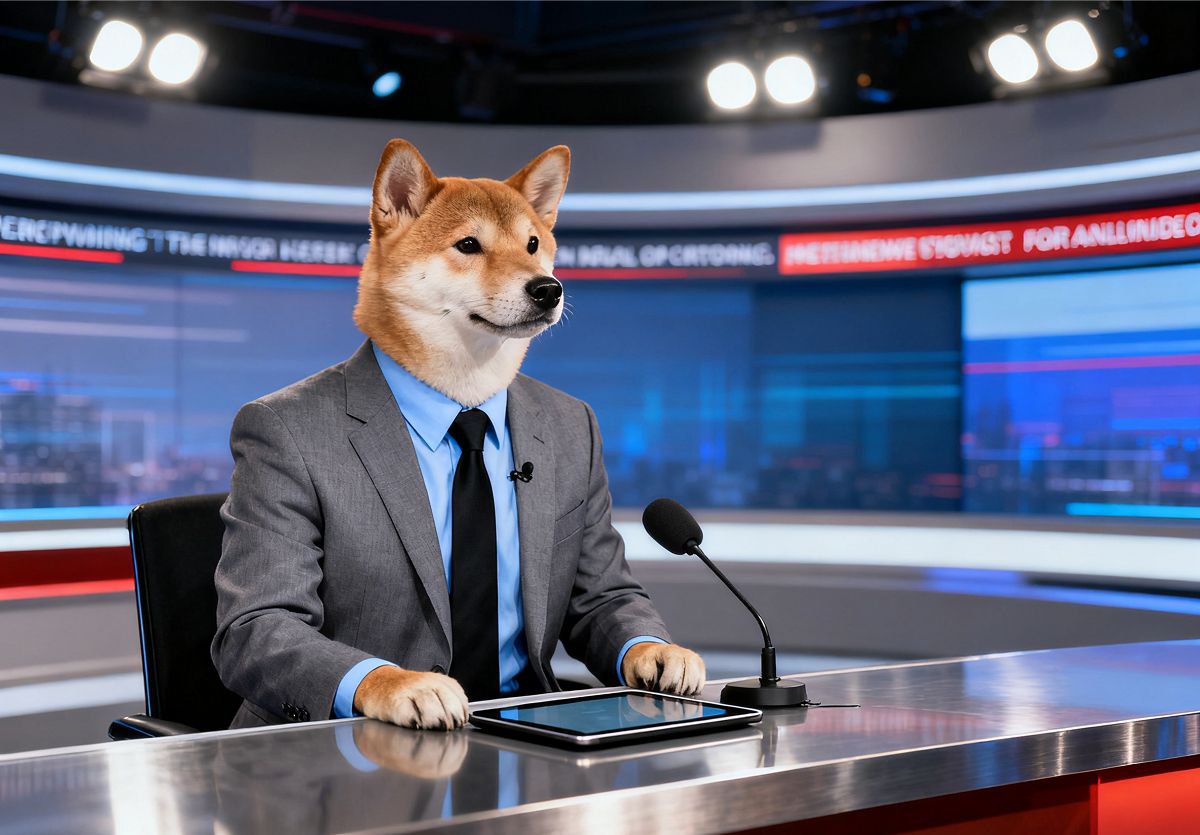
For my third test, I used Vidu Q2 Pro to animate an animal avatar as a news anchor reporting on a typhoon. The framing, lower-third graphics, and split-screen layout convincingly matched a broadcast style.
The production value here was impressive: camera angle, screen division, and background weather visuals all contributed to a believable TV news aesthetic. The dog’s posture and eye focus were consistent, suggesting intentional staging. These choices reflect a mature understanding of visual storytelling conventions.
However, two execution-level issues held it back: the on-screen text appeared soft and blurred, making it unreadable, and the mouth animation was completely static, breaking immersion despite the otherwise polished look.
With better lip-sync and sharper UI rendering, this could easily pass for real footage. As it stands, it shows strong compositional intelligence—but needs more attention to functional details.
| Original Image | Generated Video |
 |
Score: 6/10 — Highly effective scene composition and broadcast realism; limited by missing lip movement and low-text clarity.
Final Thoughts on Vidu Q2: Room for Growth
Vidu Q2 delivers several encouraging results—fast Turbo renders, detailed Pro outputs, and strong scene composition—while still needing refinement in areas like facial nuance, texture matching, and readable text in broadcast-style layouts. Overall, it’s a capable update that would benefit from further polish to reach its full potential.
What stands out is its ability to balance speed and quality through dual modes, maintain visual coherence across frames, and convey emotion effectively in stylized content. With continued development, especially in micro-expressions and dynamic text rendering, Vidu Q2 could become a go-to tool for creators who value both efficiency and expressiveness.
Why Pollo AI Offers a Superior Solution
Pollo AI isn’t tied to just one model — it’s an all‑in‑one AI video generation hub.
Whether you're looking to transform static images into dynamic narratives with its image to video AI, rapidly generate scripts into polished clips via text to video AI, craft engaging shorts for social media with its AI short video generator, or create a wide range of content using the Pollo AI video agent for personal clips, creator IPs, and product shots, Pollo AI is your ultimate creative partner.
More importantly, Pollo AI offers unparalleled flexibility by giving you instant access to a curated selection of leading models like Veo 3, Kling 2.5 Turbo, Wan 2.5, and many others.
This means you're never dependent on the performance of one model; if one falls short, you have the freedom to experiment and choose the best tool for your creative vision, ensuring more consistent results and faster iteration.
Sign up for Pollo AI today and start producing videos that align with your standards.