PixelDojo is a model-driven image platform focusing on reference workflows, character consistency, and detailed texture rendering for advanced creators. For fast, multi-model everyday image creation without complex model training, Pollo AI is the perfect alternative. Try Pollo AI for free now!
Text to Image
Image to Image
Pollo Recast
Recreate viral videos. Remix new versions.
Pollo Agent x Gemini 4 Argon
Smarter reasoning. All through Pollo Agent.
Pollo Recast - Make It Viral Challenge
One upload in. Your viral video out. Unlimited rewards await.
WIN iPHONE DUO
Capture a city in one minute. Join the challenge now.
Pollo MCP
End-to-end content creation. Up to 4 Videos/ 20 Images for FREE.
Get Unlimited GPT Image 2.5
Faster. Sharper. Smarter. Go Unlimited with Ultra.
Unlock Unlimited MiniMax H3
Omni-Reference. Unlimited with Ultra.
Get Unlimited Wan 3.0
Native 30-second videos. Richer reference inputs.
Key Features of PixelDojo AI Image Generator
Multi-Model Image Generation: PixelDojo supports model-based image generation for users who want different rendering styles and visual directions.
Reference-Based Image Creation: PixelDojo lets users guide outputs with reference images and multi-image inputs.
Character Image Consistency: PixelDojo includes character-oriented workflows for repeated portraits, fantasy figures, and stylized identities.
Realistic Texture Rendering: PixelDojo focuses on detailed surface textures, lighting, and fashion/editorial-style stills.
Editing and Upscaling Tools: PixelDojo has post-generation tools for refining, enhancing, and resizing image outputs.
Commercial Image Workflows: PixelDojo positions generated images for creators, marketers, ecommerce teams, and paid creative projects.
Multi-Model Image Generation
PixelDojo supports AI image generation with options for different render styles, visual quality levels, and prompt-led outputs. This makes the platform relevant for users comparing image models before choosing a final look.
Because the workflow is model-led, users should still review the selected model, credit cost, resolution, and output rights before using images in client or commercial work.
Reference-Based Image Creation
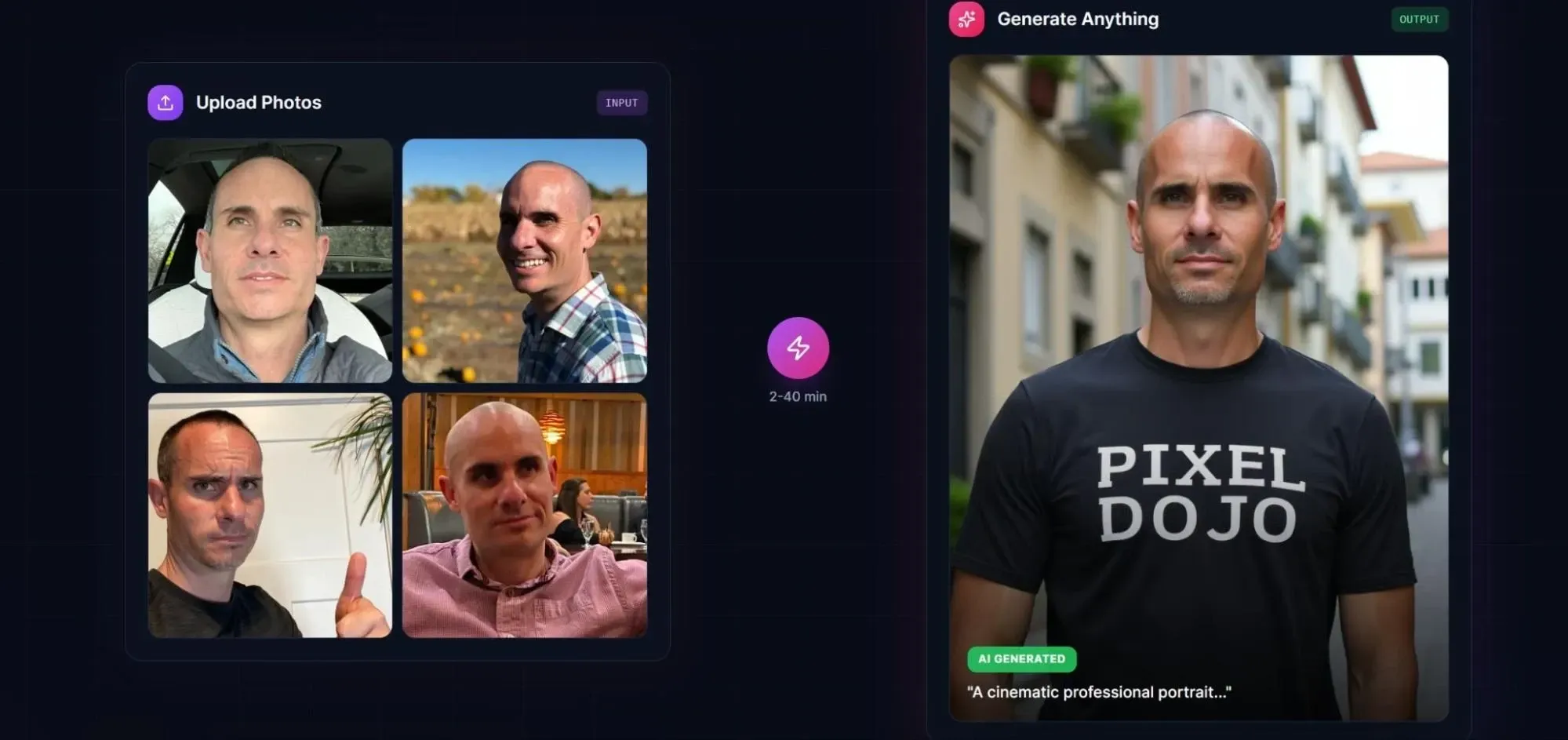
PixelDojo supports image-to-image workflows that help users carry an existing face, pose, style, or composition into a new result. This is useful when a prompt alone is not specific enough for the desired image direction.
The reference workflow is best framed as image guidance rather than a guarantee that every detail, face, logo, or product attribute will remain unchanged.
Character Image Consistency
PixelDojo includes character reference and LoRA-related workflows for creating repeated character images across scenes, outfits, and styles. This is most relevant for digital artists, roleplay creators, and visual storytellers who need a recognizable subject across multiple outputs.
These tools are best framed as image consistency support rather than a guaranteed identity-accurate portrait system.
Realistic Texture Rendering
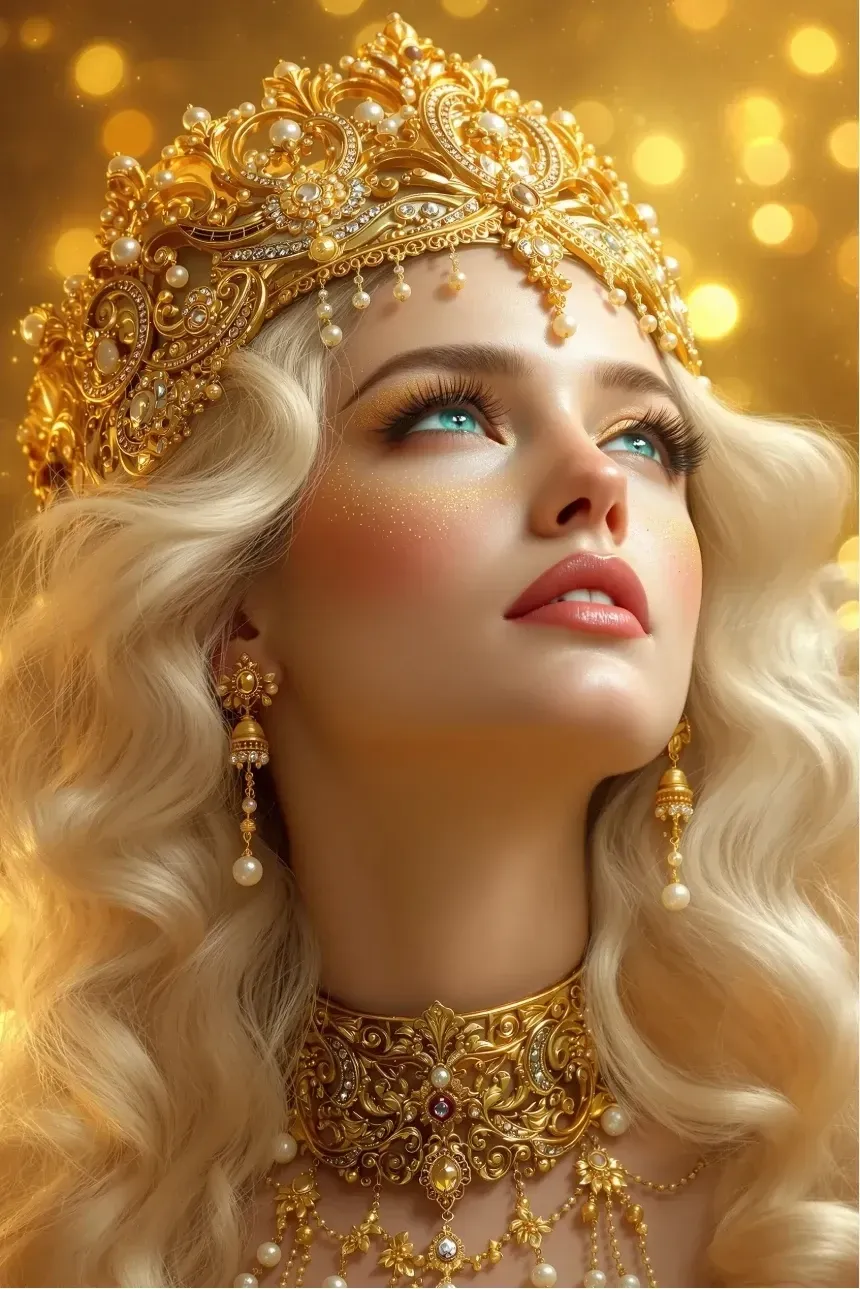
PixelDojo focuses on detailed texture rendering for fashion, fantasy, armor, leather, metal, and cinematic portrait images. Users can test lighting-heavy image styles, but finished outputs still need review for anatomy, realism, and brand suitability.
This feature is strongest when the goal is visual atmosphere, material detail, and style exploration instead of strict product-documentation accuracy.
Editing and Upscaling Tools
PixelDojo has editing and upscaling options for improving generated images after the first output. Comparable post-generation workflows often include an AI photo editor, image enhancement, and background changes when an output needs practical polish.
This makes the editing layer useful for creators who want to refine a result without restarting the full prompt process.
Commercial Image Workflows
PixelDojo positions its generated images for social posts, product images, campaign artwork, concept art, and other commercial creative tasks. Users should still review plan terms, credit usage, resolution, and brand requirements before publishing or licensing outputs.
This positioning makes PixelDojo more relevant to creators and small teams than to users who only want casual AI art experiments.
Use Cases of PixelDojo AI Image Generator
For digital artists and illustrators: Explore model-led styles, fantasy scenes, fashion concepts, and polished still-image compositions.
For character and roleplay creators: Build repeated character visuals, profile images, and scene variations around a recognizable subject.
For marketers and ecommerce teams: Create image concepts for campaigns, product pages, ads, and social media before final design review.
For creative agencies and freelancers: Test multiple image directions quickly, then refine the strongest output for a client-facing concept.
PixelDojo Market Position
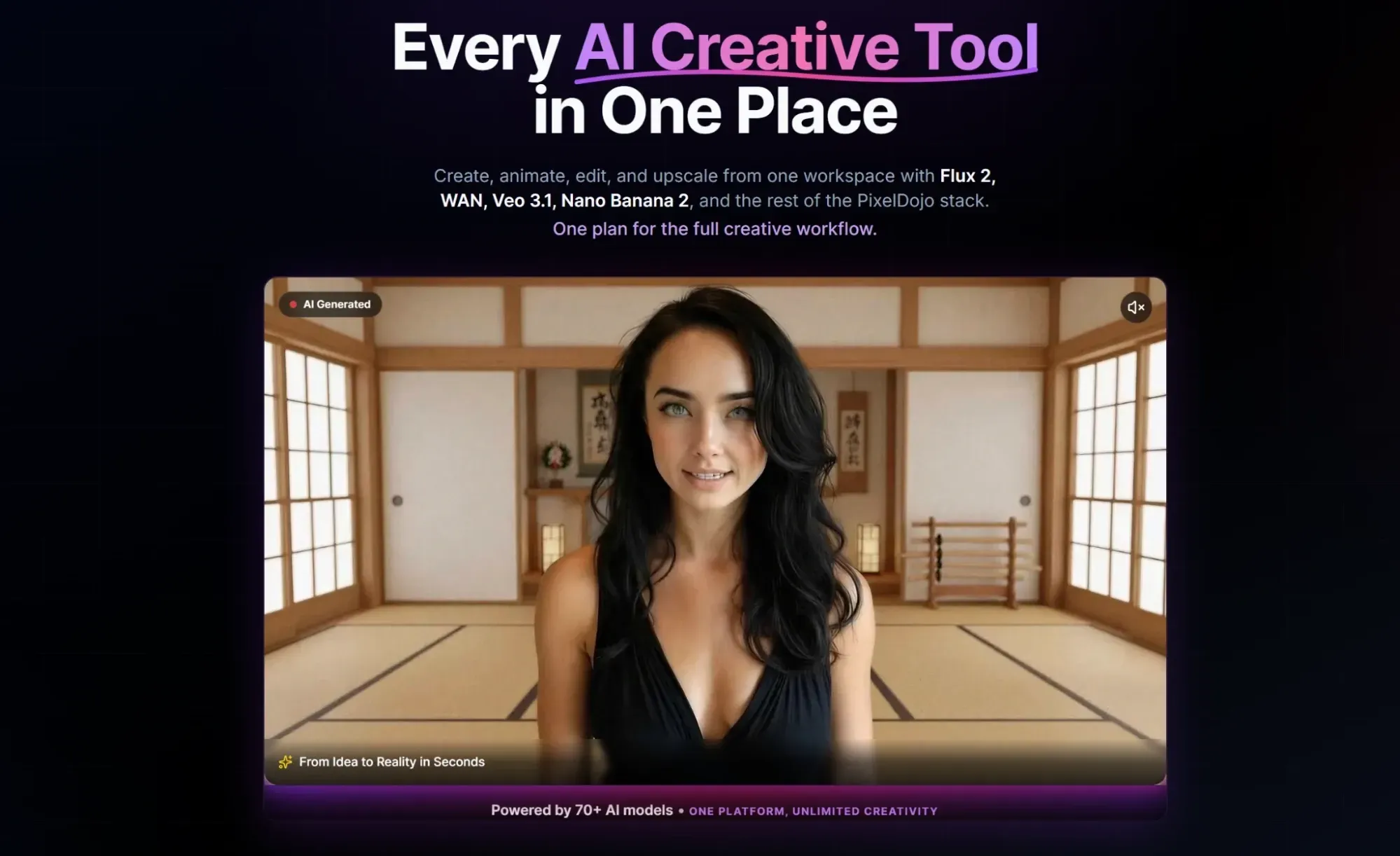
PixelDojo's market position is closer to a creator-facing model lab than a lightweight prompt generator. Its page emphasizes a large model stack, Qwen/GPT Image/Flux-style model options, multi-image references, character reference workflows, LoRA-style customization, material realism, upscaling, commercial rights, and a credit system with rollover.
That combination makes PixelDojo most relevant to users who care about model choice and controlled character output. A fantasy artist can test high-detail materials, a roleplay creator can build repeated character portraits, and a commercial creator can compare model outputs before spending credits on final images.
Its distinctive appeal is the model-training and reference-control layer around image generation, rather than simple one-click image creation.
PixelDojo Pros and Cons
Pros
Cons
Model-based image creation with several style directions
Advanced model and LoRA workflows can add a learning curve
Reference-led image generation for more controlled outputs
Credit limits may affect heavy experimentation
Character consistency support for repeated visual subjects
Realism and identity accuracy still require output review
Editing and upscaling tools after generation
Commercial use still depends on current plan terms and user review
Post-generation editing and upscaling for generated images
Canvas and design refinement tools for visual assets
Cleanup, restyling, enhancement, and image extension in a more direct editing workflow
Style Control
Model and reference choices for detailed styles
Strong style presets and creator-facing controls
Quick style comparison across models, prompts, and reference-based outputs
Character Workflows
Character references and LoRA-related image workflows
Character and asset generation with design controls
Character, avatar, product, and marketing images in one broader image workflow
Workflow Speed
Flexible but can involve model choices, credits, and advanced settings
Strong for designed assets but may require more setup for utility edits
Best for quick generation, comparison, editing, and publishing-oriented image polish
PixelDojo is strongest for users who want a model-led image workspace with reference control and character consistency. Leonardo AI is a strong fit for design-oriented asset creation and style exploration.
Pollo AI is more useful when the goal is not to train or manage a character/model workflow, but to quickly generate, compare, and polish practical visuals for product, social, and marketing tasks.
Why Is Pollo AI a Strong PixelDojo Alternative?
01
Leading Image Models
Test popular image models without setting up LoRA training or model-specific workflows.
02
Everyday Visual Output
Create product, social, and marketing images when speed matters more than deep model customization.
03
Simpler Image Polish
Clean up, enhance, and adapt generated images without rebuilding the whole prompt workflow.
I’ve been using Pollo AI mainly for short videos and quick image-to-video tests. The interface is straightforward and it works well even with simple prompts, which is a big plus compared to tools that need long, complicated instructions. The results can be really impressive, and it’s honestly been fun to experiment with. I’d love a bit more consistency on faces when there’s movement, but overall it’s been a solid experience for what I needed.
Awesome website. loads of options and a great way to learn how to work with 'AI' my reasoning for 5 stars is based upon price, versatility and ease of use. Also I would like to add, Pollo AI runs a lot of promos on different AI products as well. I rate their customer service at 5 stars, when I purchased my first subscription my computer crashed the following weekend and I lost all my data and info passwords you name it I lost it, contacted pollo by email they responded quickly and found my info/username and account, and I was able to restore my account.
I have been using Pollo AI for short videos. It is easy to use and works well with simple prompts. Other generators seem to need long drawn out complicated explanations to get even close to what I want.
i tried 220 online img to vid in 2 months, and this is the best online video.I will subscribe for a year; there are many reasons. But freedom is the most important.
Explore Other AI Image Generators Besides PixelDojo
PixelDojo is used for AI image generation, reference-based image creation, character visuals, style testing, editing, upscaling, and commercial creative concepts.
Is PixelDojo mainly for image generation or video generation?
PixelDojo includes broader creative tools, but this page focuses on its image-generation workflow, including models, references, character consistency, editing, and image outputs.
Does PixelDojo support reference images?
Yes. PixelDojo supports reference-led image creation, which can help users guide pose, style, composition, or character direction more clearly than text prompts alone.
Is PixelDojo free to use?
The live page promotes starting for free and describes a credit/subscription workflow. Regular use depends on the current plan, credit limits, rollover rules, and the tools used.
Can PixelDojo images be used commercially?
The page presents PixelDojo as supporting commercial-use image workflows, but users should still review the latest plan terms, licensing language, and client requirements before publishing or monetizing outputs.
What is a good PixelDojo alternative?
Pollo AI is a good fit for users who want multi-model image generation, direct image editing, and practical visual outputs for social, product, and marketing projects.
Create Finished AI Images with Pollo AI
Generate, compare, edit, and polish AI images for social, product, and marketing projects with a workflow built for fast finished visuals.



 Liz Cassidy