
8 Best Freepik Alternatives I Tested for Two Weeks
Freepik, now known as Magnific, is useful for AI images, templates, mockups, and stock-style assets, but it can feel limiting when you need more original visuals, stronger editing control, or commercial-ready image workflows.
So I tested 8 Freepik alternatives across product images, posters, brand visuals, text-in-image, image editing, and design assets. These are the tools I’d actually use.
Best Freepik Alternatives: TL;DR
The best Freepik alternative is Pollo AI because it gives you more than a design asset library. It helps you create, edit, adapt, and repurpose original AI images for marketing, ecommerce, social media, and brand work.
Freepik is still useful when you need quick templates, mockups, or stock-style visuals. But if you want more control over the image itself, the tools below are stronger choices for different creative workflows.
Why Look For A Freepik Alternative?
Freepik is useful, but it is not always the best fit when you need more control over original AI image creation.
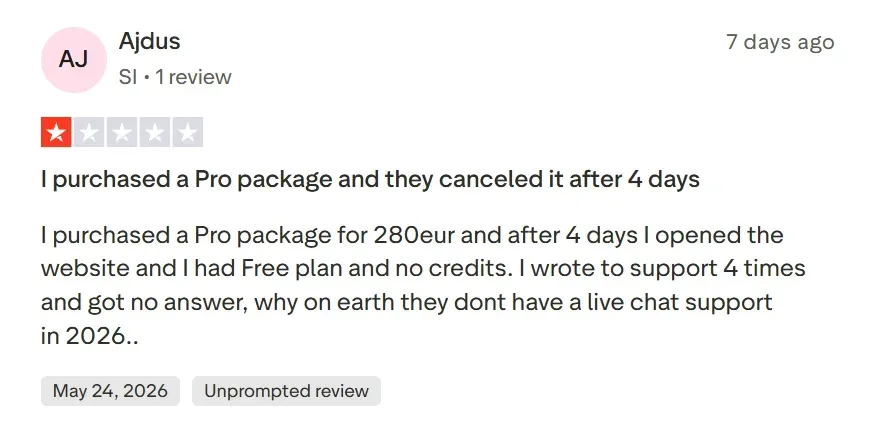
The biggest issue is Freepik predictability, as I found in my Freepik AI review. Some users praise the AI image generator and asset library, while others mention rate limits, subscription friction, and support problems. Trustpilot reviewers often bring up limited usage, unresponsive customer support, cancellation friction, and platform reliability during peak usage.
8 Best Freepik Alternatives At a Glance
| Tool | Best For | Why I’d Use It Instead Of Freepik |
| Pollo AI | Best overall image workflow | It combines image generation, editing, model choice, and commercial image tools |
| Adobe Firefly | Best for design edits | It fits polished design work and image refinement |
| Canva AI | Best for social layouts | It turns images into posts, banners, and quick brand assets |
| Recraft | Best for graphic visuals | It works well for brand-style illustrations and design assets |
| Ideogram | Best for text inside images | It handles posters, slogans, labels, and typography better |
| Fotor AI | Best for detailed prompts | Better when you need simple retouching, background changes, and fast image improvements |
| Dreamina | Best for fast creative image ideas | Better when you want quick generated visuals instead of browsing stock-style assets |
| Leonardo AI | Best for characters and concept art | It gives more control for repeatable creative assets |
1. Pollo AI: Best Overall Freepik Alternative
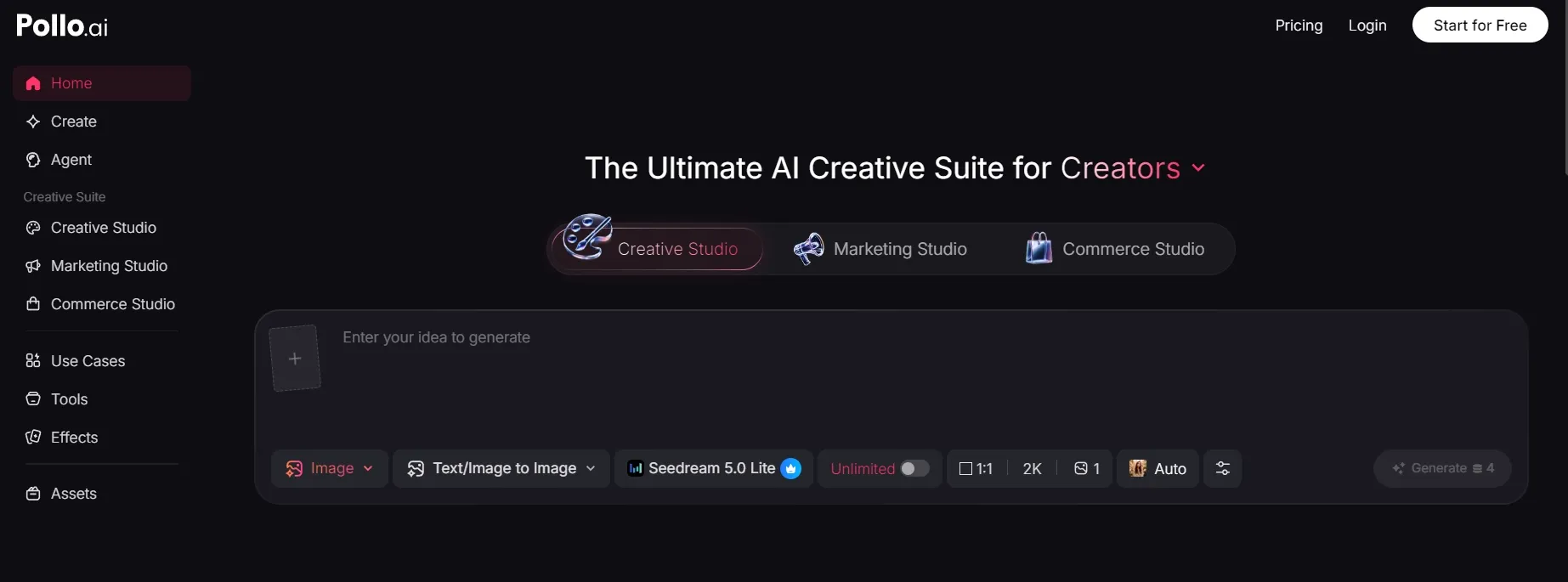
Pollo AI is the best overall Freepik alternative because it helps you create original image assets for real campaigns, not just pick from a design library.
Freepik is strong for templates, mockups, and ready-made visuals. Pollo AI is better when you want more control over the image itself: the subject, style, use case, and final commercial format.
What makes Pollo AI especially useful is its access to multiple leading image models in one place. You can test models like Nano Banana 2 for detailed prompts or Grok Imagine Image for polished, high-detail visuals without switching platforms.
I especially like the Commerce Studio. A promotion can become a usable AI product poster, and apparel sellers can test model-style visuals with AI virtual try-on. That makes Pollo AI feel more flexible than Freepik for users who need original, commercial-ready images instead of another downloadable asset.
Pros:
- Image workflow: Generation, refinement, and editing photo sit in one place.
- Model flexibility: You can test different image models for different styles.
- Commercial output: Strong fit for product visuals, posters, brand assets, and ecommerce images.
- Less post-editing: Outputs feel easier to polish without rebuilding the image.
Cons:
- Model choice takes a little testing: Some prompts work better with one model than another.
- More options than casual users may need: Helpful for real creative work, but bigger than a simple template tool.
Best For: Creators, marketers, sellers, and brands that need cleaner AI images for real use.
Bottom Line: Pollo AI is the strongest Freepik alternative if you want to generate, edit, and finish commercial-ready AI images in one workflow.
2. Adobe Firefly: Best For Design Edits
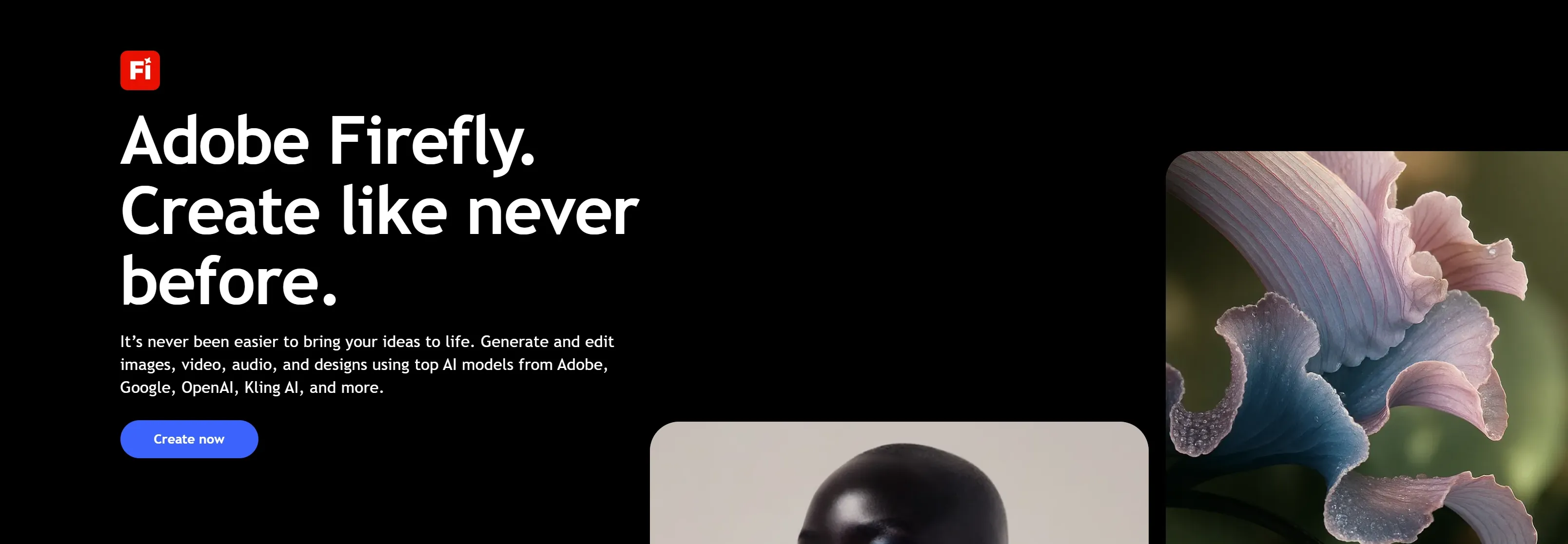
Adobe Firefly is the best Freepik alternative if your main need is design-friendly image editing.
I would use Firefly when an image needs cleanup, expansion, background changes, or a more polished design direction. It feels less like a stock asset library and more like a tool built around editing visual ideas.
Compared with Freepik, Firefly is better when the image is close but not quite right. Instead of hunting for another asset, you can adjust parts of the image and move it closer to the final look. It still feels most useful inside a design workflow. If you already think in terms of layouts, fills, and image edits, Firefly makes sense.
Pros:
- Design edits: Good for fixing and expanding images.
- Polished output: Useful for campaign and brand visuals.
- Creative control: Better when the image needs refinement, not just selection.
Cons:
- Less asset-library focused: It does not replace Freepik's stock-style browsing.
- Best for design-minded users: Casual creators may not need its full editing flow.
Best For: Designers, marketers, and teams that need editable image assets.
Bottom Line: Use Adobe Firefly when Freepik feels too asset-driven and you need stronger image edits.
3. Canva AI: Best For Social Layouts
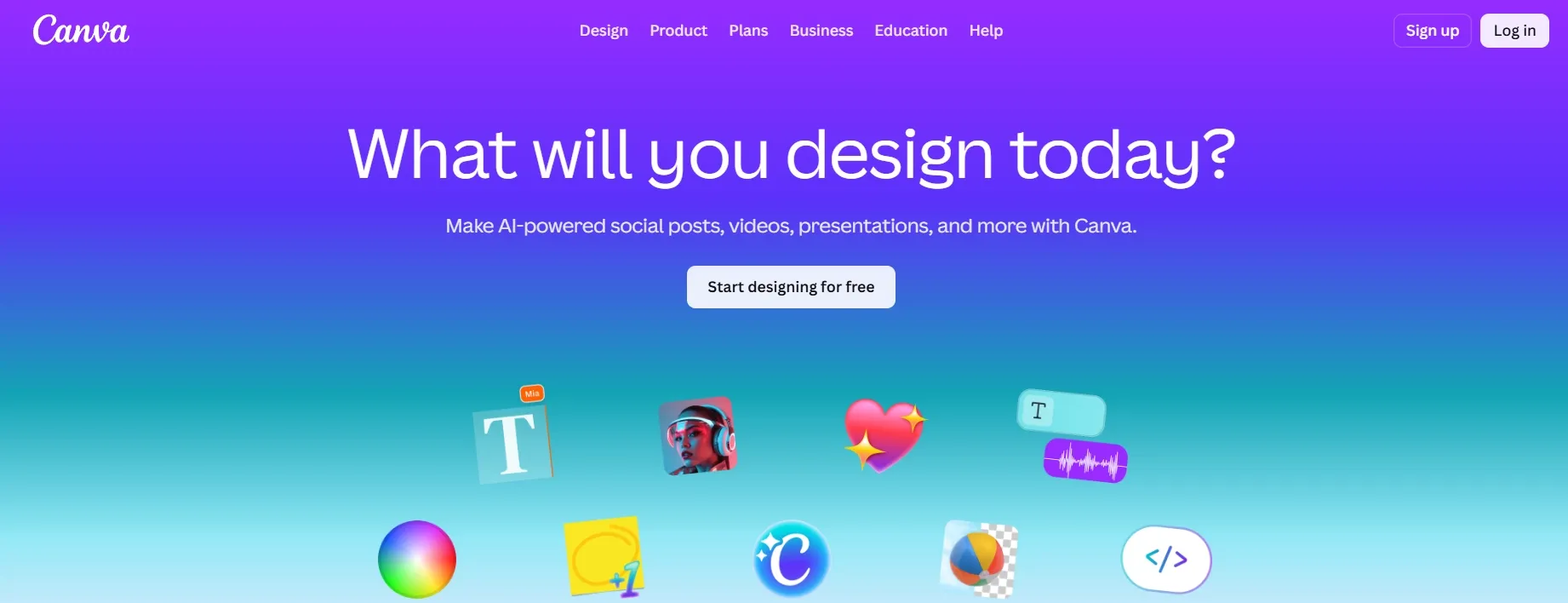
Canva AI is the best Freepik alternative when the final output needs to become a finished layout.
Freepik gives you assets. Canva helps you turn those assets into posts, banners, thumbnails, flyers, and simple brand graphics. That is the real difference.
In my testing, Canva’s biggest advantage was speed. I could generate or choose a visual, place it into a template, add copy, resize it, and finish the asset quickly.
That makes it useful for social media managers, small businesses, teachers, and content teams. You do not get the deepest image model control, but you do get a faster path to something publishable.
Pros:
- Social layouts: Strong for posts, banners, thumbnails, and simple ads.
- Template workflow: Easy for non-designers.
- Fast output: Good when you need a finished asset quickly.
Cons:
- Less model control: It is not as flexible as a dedicated AI image platform.
- Template feel: Some results can look familiar if you rely too much on presets.
Best For: Creators and teams that need quick social or brand layouts.
Bottom Line: Use Canva AI when Freepik gives you assets, but you still need a layout tool to finish them.
4. Recraft: Best For Graphic Design Visuals
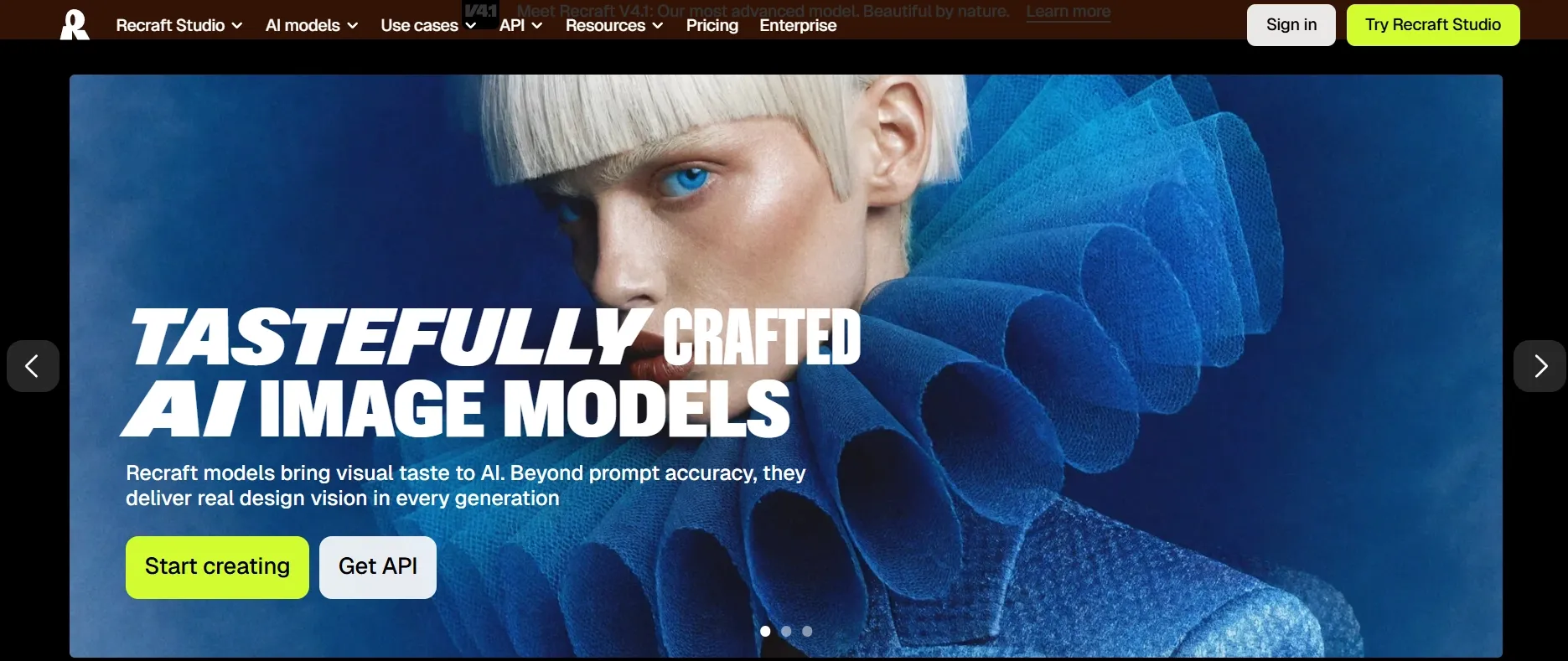
Recraft is the best Freepik alternative for graphic-style visuals and brand assets.
I liked Recraft most when the output needed to feel intentional: clean illustrations, icon-style visuals, product graphics, and design-led compositions. It is especially useful when the goal is not realism, but a polished graphic direction.
Compared with Freepik, Recraft feels less like browsing a library and more like generating a specific visual system. That helps when you want a brand look instead of a one-off asset.
It is not always my first pick for lifelike images. But for graphic visuals, it feels focused and practical.
Pros:
- Graphic output: Strong for illustrations, icons, and brand-style assets.
- Design direction: Better when you want a consistent visual look.
- Commercial feel: Useful for marketing and product graphics.
Cons:
- Less ideal for realism: Not always the strongest choice for lifelike scenes.
- Style direction matters: Vague prompts can make the output feel generic.
Best For: Designers and marketers creating clean graphic-style visuals.
Bottom Line: Use Recraft when you want a Freepik alternative for brand graphics and design-ready visual directions.
5. Ideogram: Best For Text Inside Images
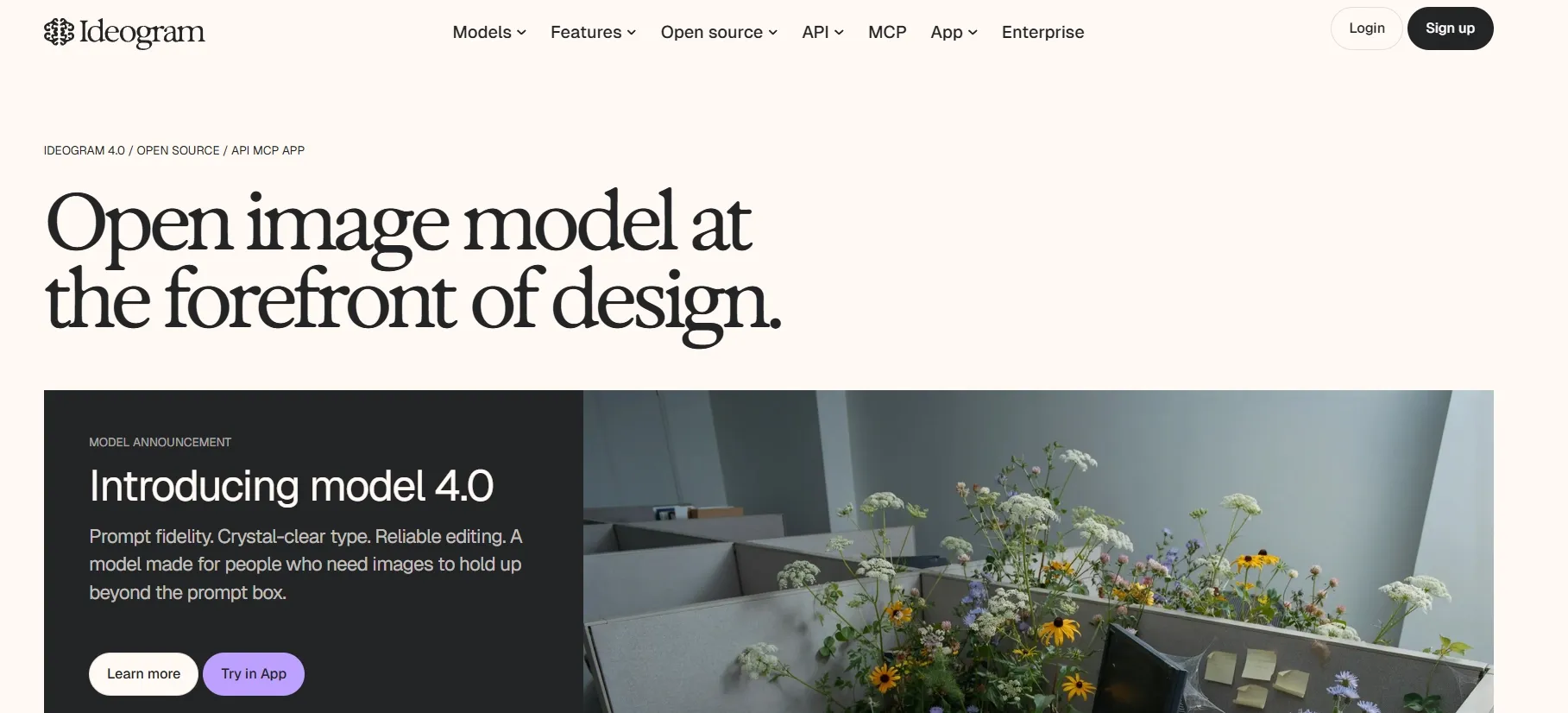
Ideogram is the best Freepik alternative when your image needs readable text.
This matters more than most people expect. Posters, labels, slogans, thumbnails, packaging ideas, and social graphics can fall apart if the words look wrong.
In my testing, Ideogram gave me a better starting point for typography-heavy images. It still needs clear prompting, but it handles text better than most general image tools.
That makes it a strong choice for marketers and creators. If the image needs words, I would test Ideogram before spending time fixing broken text manually.
Pros:
- Text rendering: Strong for slogans, labels, posters, and logo concepts.
- Marketing use: Useful for campaign graphics and thumbnails.
- Graphic fit: Good when layout and typography matter.
Cons:
- Prompt precision matters: Specific text layouts still need careful instructions.
- Cleanup may still be needed: Better with text, but not perfect every time.
Best For: Posters, labels, thumbnails, slogans, and text-heavy visual concepts.
Bottom Line: Use Ideogram when Freepik’s assets are not enough and the image needs readable words.
6. Fotor AI: Best For Quick Photo Edits
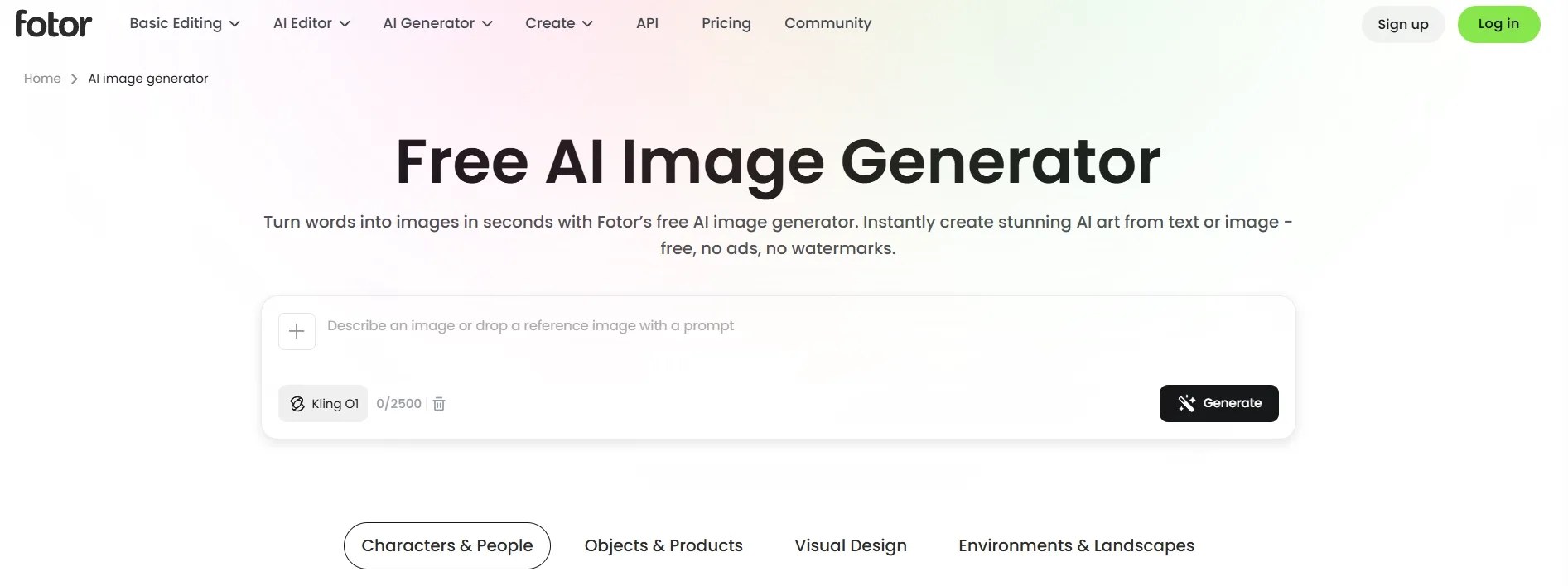
Fotor AI is a good Freepik alternative if you mainly need simple image edits and everyday photo enhancement.
Freepik is stronger for finding design assets and mockups. Fotor is more useful when you already have an image and want to retouch it, improve it, remove a background, or make a quick adjustment.
It is not the deepest creative workflow on this list, but it is easy to understand. That makes it a practical option for casual users who want fast edits without building a full design process.
Pros:
- Quick edits: Good for simple fixes, retouching, and photo improvements.
- Beginner-friendly: Easy to use without much setup.
- Photo-focused: Better when you start with an existing image.
Cons:
- Limited creative depth: Not ideal for complex visual production.
- Better for edits than full workflows: Practical, but not as flexible as an all-in-one creative suite.
Best For: Casual users who want fast photo edits and simple image improvements.
Bottom Line: Use Fotor AI when Freepik feels too asset-focused and you mainly need quick image edits.
7. Dreamina: Best For Fast Creative Image Ideas
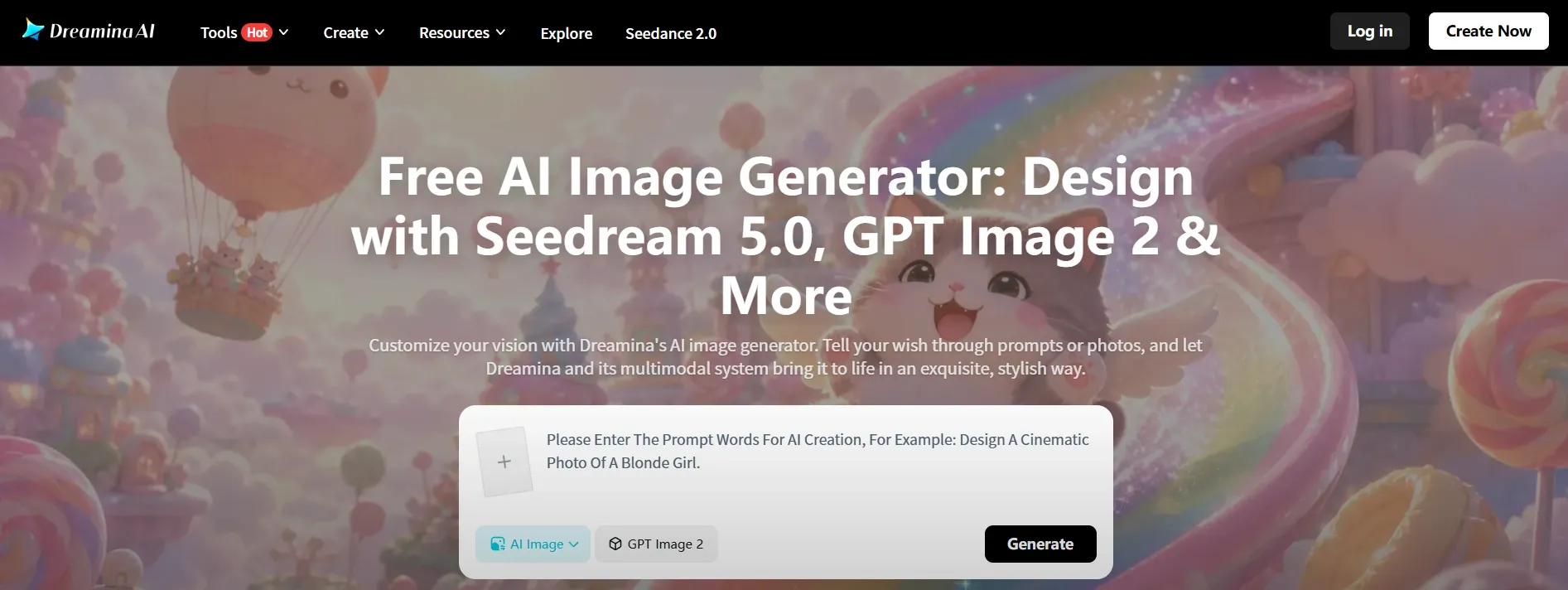
Dreamina is a useful Freepik alternative if you want fast AI image ideas without spending too much time browsing assets.
Freepik works well when you want templates, mockups, and stock-style resources. Dreamina feels better when you want to move quickly from an idea to a generated visual direction.
I would use it for social concepts, moodboards, poster ideas, and early campaign visuals. It is not as asset-library focused as Freepik, but it is helpful when speed and fresh image ideas matter most.
Pros:
- Fast ideation: Good for quick visual directions.
- Creator-friendly output: Useful for social visuals and early campaign ideas.
- Less browsing: Better when you want to generate a direction instead of search for one.
Cons:
- Less asset-library depth: It does not replace Freepik's ready-made resource library.
- Not ideal for complex workflows: Better for quick creative exploration than full commercial production.
Best For: Creators who want fast AI image ideas and visual concepts.
Bottom Line: Use Dreamina when Freepik feels too library-based and you want quicker original image ideas.
8. Leonardo AI: Best For Characters And Concept Art
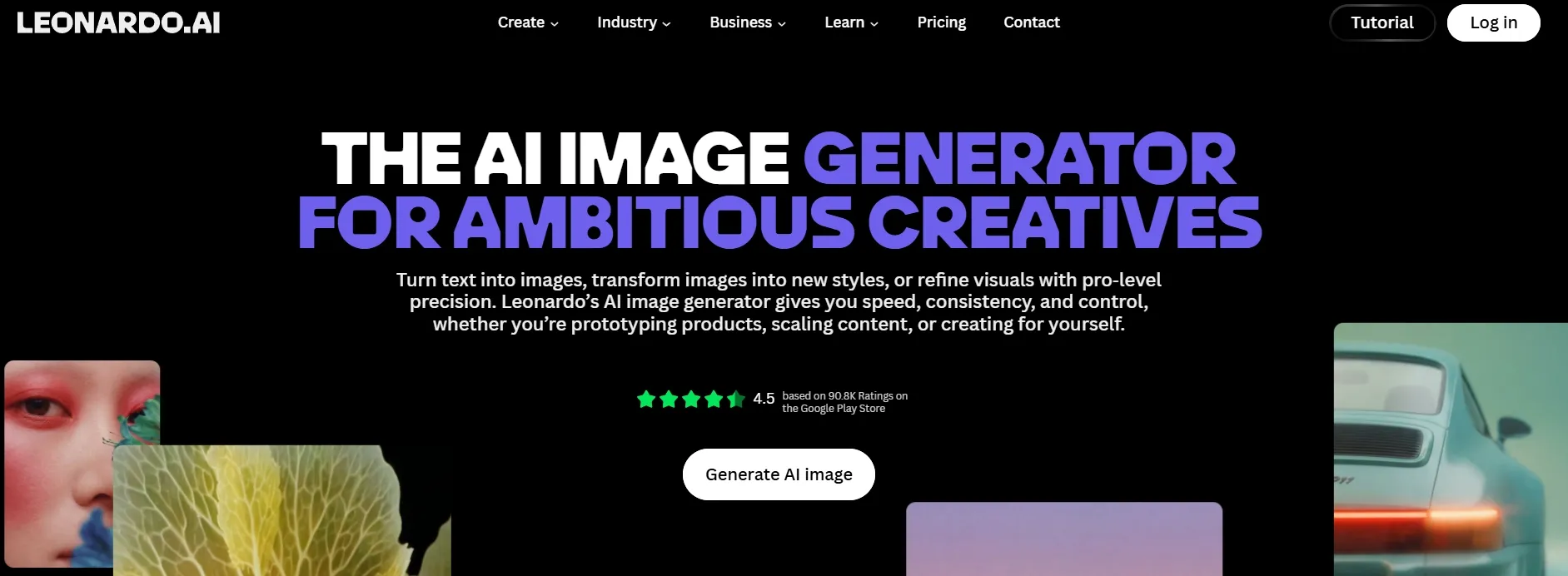
Leonardo AI is the best Freepik alternative for character design, concept art, and visual world-building.
It gives you more control when you need a specific look across multiple images. I found it useful for stylized portraits, fantasy characters, game props, environments, and creative directions that need consistency.
Freepik can help you find assets. Leonardo AI is better when you want to build a visual direction from scratch.
That makes it useful for concept artists, game creators, and brand teams working with mascots or character-led visuals.
Pros:
- Character creation: Strong for stylized characters and concept visuals.
- Style control: Better for repeatable creative directions.
- Asset workflow: Useful when you need multiple related images.
Cons:
- More setup than Freepik: It takes time to learn the controls.
- Not the fastest asset source: Better for creation than quick browsing.
Best For: Character designers, concept artists, game creators, and creative teams.
Bottom Line: Use Leonardo AI when Freepik does not give you enough control over character or concept work.
How I Tested These Freepik Alternatives
I tested each tool by asking one question: what does it do better than Freepik?
Image Quality: Does the output feel usable for real creative work?
Prompt Control: Can it follow a specific creative direction?
Editing: Can I adjust or repurpose an image without rebuilding the whole process?
Text Handling: Can it create readable words inside the image?
Commercial Fit: Can the result work for product images, brand visuals, posters, or ecommerce creatives
Which Freepik Alternative Should You Choose?
If Freepik feels too limited, start with the kind of image problem you are trying to solve.
For most creators, marketers, and sellers, I would start with Pollo AI. It gives you the broadest image workflow: generate the image, refine it, edit it, and turn rough ideas into cleaner product, brand, or ecommerce visuals.
If your main problem is finishing layouts, Canva AI is the easiest switch. If your issue is design editing, Adobe Firefly is stronger. If you need readable text, Ideogram is the safer pick.
For more specific creative work, I would go narrower. Recraft is better for brand graphics, GPT Image 2 is better for detailed prompts, FLUX AI is better for visual style tests, and Leonardo AI is better for characters.
Create More Flexible AI Images
Build product visuals, posters, brand graphics, and ecommerce images with Pollo AI’s full image creation workflow.
Try Pollo AI for Free
My Personal Take
Freepik is useful when I need quick assets, mockups, or stock-style visuals. But I would not use it as my main AI image workflow. If I need cleaner edits, stronger model choice, better prompt control, or commercial-ready visuals, I would switch to Pollo AI first.
Freepik feels like a strong creative library. Pollo AI feels like a stronger image creation workflow.
Best Freepik Alternative For Commercial-Ready AI Images
Pollo AI is the best Freepik alternative if you want to create commercial-ready images, not just browse ready-made design assets.
Its strength is the range of image tools behind the workflow. Beyond the core AI image generator, Pollo AI offers 100+ image tools to create product visuals, change backgrounds, relight images, adjust product angles, and build branded graphics.
That makes it useful for marketing, ecommerce, and brand work. Sellers can create cleaner product visuals, while campaign teams can generate more polished image shots with image shots instead of relying on generic stock assets.
Freepik is great when you need quick design resources. Pollo AI is stronger when you want original images that feel ready for real commercial use.
Final Verdict
The best Freepik alternative is Pollo AI because it gives you more model flexibility, better editing control, and a smoother path from prompt to usable commercial image.
Start with Pollo AI if you want the strongest all-around replacement. Use Canva AI for layouts, Adobe Firefly for design edits, Ideogram for text-heavy images, Recraft for graphic visuals, Leonardo AI for characters, Fotor AI for quick edits, and Dreamina for fast creative image ideas.