
10 Best MagicLight AI Alternatives for AI Video Generation in 2026
MagicLight AI is worth trying if you want script-led stories with recurring characters, narration, subtitles, and music. I like its long-form structure, but it is less flexible for realistic shots, product ads, avatars, and fast short-form content. I tested 10 alternatives for those workflows, these are the tools I’d actually use.
Best MagicLight AI Alternatives in 2026: TL;DR
Pollo AI is the best MagicLight AI alternative overall because it connects text to video generation and image to video generation with editing, avatars, ads, effects, and multiple models. For narrower jobs, Animaker suits editable animation, Fliki suits narrated faceless videos, Dreamina suits cinematic short clips, and HeyGen suits presenter videos.
10 Best MagicLight AI Alternatives At a Glance
| Tool | Best For | Why I'd Use It Instead Of MagicLight AI |
| Pollo AI | Complete AI video workflows | More flexible generation, editing, avatars, ads, effects, and model access in one place |
| InVideo AI | Prompt-led marketing videos | Faster briefs-to-video production with templates, stock, voice, and natural-language edits |
| Animaker | Editable animated explainers | More hands-on control over characters, props, scenes, subtitles, and animation timing |
| Fliki AI | Voice-led faceless videos | Strong script-to-video, AI voices, captions, translation, and social publishing workflows |
| Dreamina | Cinematic short-form concepts | Fast image-to-video and multi-scene visual experimentation for social and creative work |
| DeeVid AI | Agent-led creation and editing | Moves from idea to final cut with planning, generation, and canvas-style refinement |
| Pictory | Blog, script, and recording repurposing | Quickly converts existing long-form content into narrated videos and short clips |
| VEED.IO | Editing, captions, and resizing | Better when you already have footage and need a practical browser editor |
| HeyGen | Avatars and localized presenters | Stronger fit for talking-head, digital twin, translation, and sales enablement videos |
| GoEnhance AI | Stylized video transformations | Useful for turning existing footage into anime, cartoon, or other visual styles |
Why Look for a MagicLight AI Alternative in 2026?
MagicLight AI solves a clear problem, as I found in my MagicLight AI review,: turning a script into a longer story with planned scenes, recurring characters, voiceover, captions, and export.
But the limitation is iteration. Reddit users, and Trustpilot reports mention credit burn, unexpected annual charges, inconsistent characters, awkward animation, or glitches. These individual experiences explain why creators compare alternatives for ads, realistic clips, avatars, editing, and faster testing.
Turn One Idea Into More Than a Story
Stop paying twice for every iteration. Turn scripts and images into production-ready ads, stories, and social videos in one seamless workflow.
Try Pollo AI for Free
1. Pollo AI—Best Overall MagicLight AI Alternative
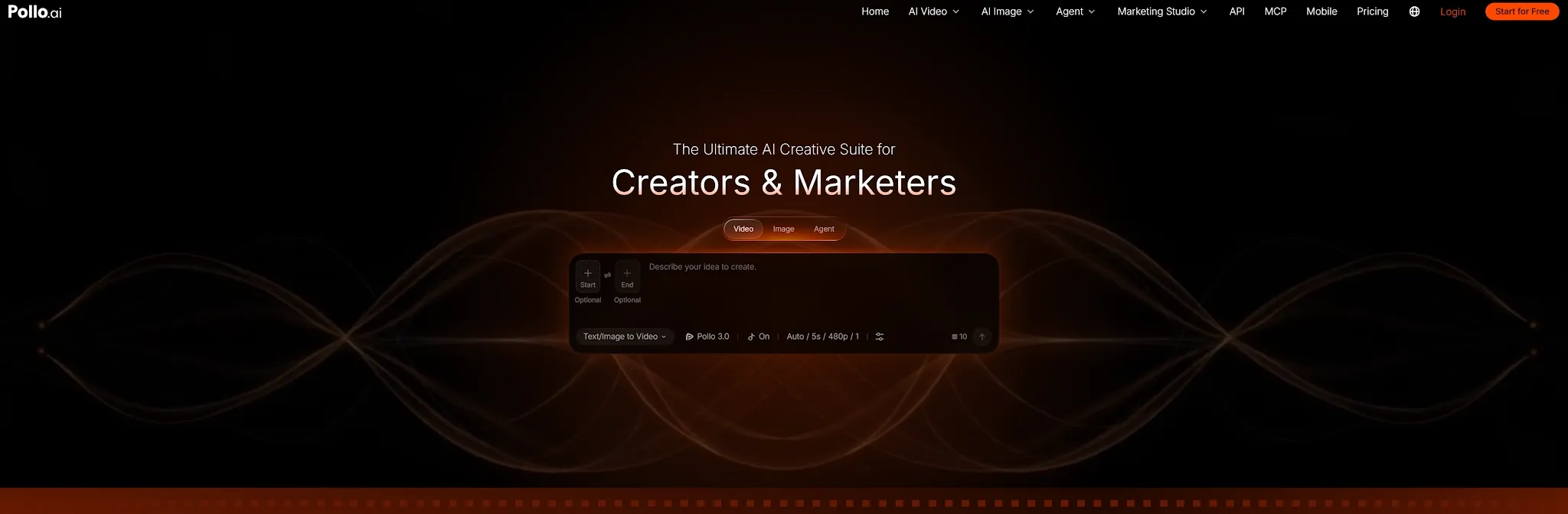
Pollo AI is my top pick when MagicLight AI feels too narrow or expensive to iterate. It is an all-in-one AI creative suite with text-to-video, image-to-video, video-to-video, reference-to-video, AI avatars, editing, effects, and commercial workflows. Its Marketing Studio turns scripts, product URLs, or product images into ready-to-use ads, UGC videos, product showcases, and campaign visuals.
With Pollo Agent, you can start from an idea, script, image, or URL and move toward a structured, production-ready video with no editing required for many workflows. For more hands-on production, Pollo AI supports scene direction, image-to-video, reference consistency, motion transfer, AI avatar narration, and video enhancement.
Pollo AI an all-in-one AI creative suite that aggregates the industry's top-tier models, allowing you to test Vidu Q4, Kling 3.0 and Seedance 2.5 in one platform. That combination makes Pollo AI a stronger everyday production system than a story-only workspace.
Pros:
- Covers generation, editing, avatars, effects, ads, and image workflows in one platform.
- Pollo Agent is designed for production-ready, publish-ready videos with no editing required for many use cases.
- Multiple leading video and image models are available in one workflow.
- Useful for creators, marketers, sellers, and teams with changing content needs.
Cons:
- The broad toolset can take a little time to learn if you only need one narrow animation workflow.
- A dedicated long-form story specialist may feel more focused for a single 30-minute animated episode.
Best For
Creators and marketers who want to turn ideas, scripts, products, or images into different types of finished video without switching platforms.
Bottom Line
Pollo AI is the best MagicLight AI alternative overall because it gives you a more flexible creative workflow. Use it when your goal is not just to generate a long story, but to create video assets you can publish, test, adapt, and reuse across channels.
2. InVideo AI—Best MagicLight Alternative For Prompt-Led Marketing Videos
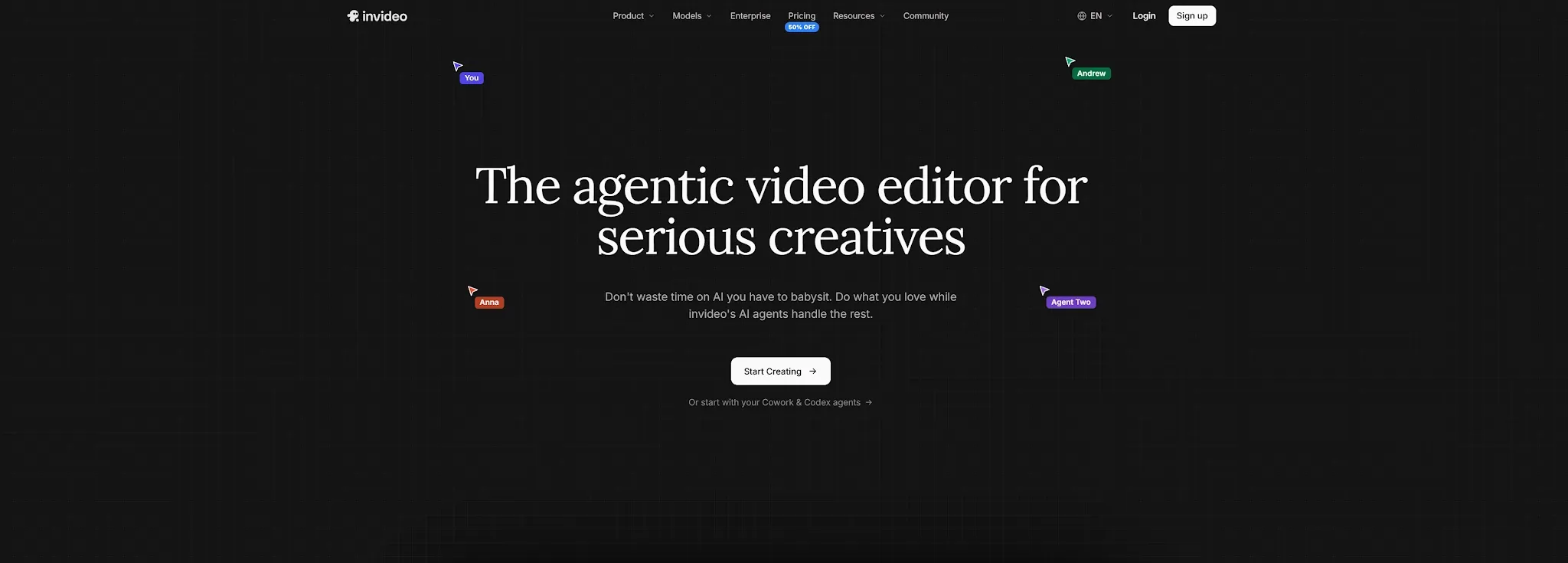
InVideo AI is a practical alternative when your starting point is a marketing brief rather than a screenplay. It turns a prompt into a structured draft with scenes, stock media, voiceover, music, captions, and templates, making it useful for ads, product explainers, social posts, and quick campaign variations.
Compared with MagicLight AI, it is less focused on a consistent animated world across a long episode and more focused on getting a usable marketing draft quickly. That speed helps small teams test messages, repurpose one idea into several social cuts, and move from copy to a reviewable first version. Visual choices, pacing, and brand claims still need review before publishing.
Pros:
- Good fit for turning a short brief into a marketing or social video.
- Templates, stock footage, voiceover, and music reduce setup time.
- Natural-language revisions are approachable for non-editors.
- Useful for teams that produce many formats rather than one recurring story world.
Cons:
- Visuals can feel assembled rather than fully generated for a specific creative direction.
- Output quality and pacing vary with the brief, so a review pass is still necessary.
Best For
Marketers, small businesses, and social teams that need prompt-led ads, explainers, and campaign drafts quickly.
Bottom Line
Choose InVideo AI when your main pain is starting from a blank page. Choose MagicLight AI when the main value is long-form animated storytelling and recurring characters.
3. Animaker—Best For Editable Animated Explainers
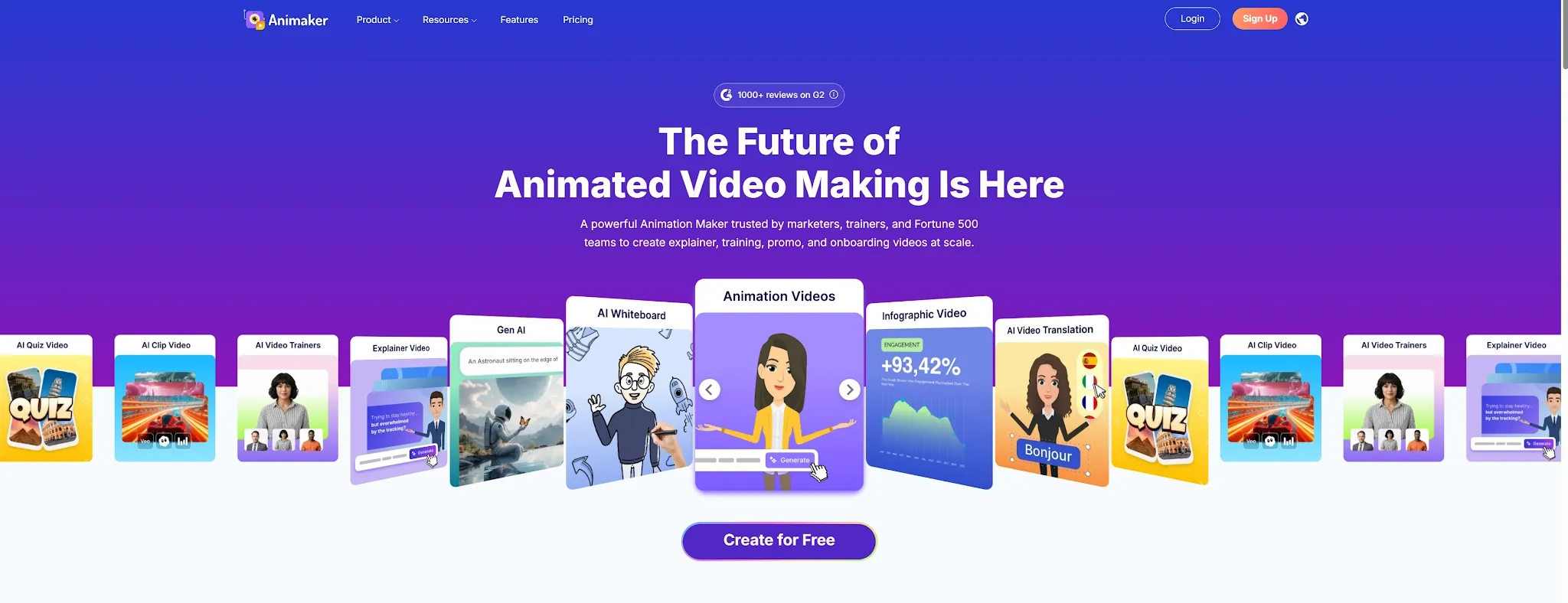
Animaker is the alternative I would test first when animation must remain editable after generation. Its AI video generator can start from a prompt, while the wider platform provides characters, props, backgrounds, voiceovers, subtitles, templates, collaboration, and a timeline editor.
MagicLight AI emphasizes an automated story-to-video pipeline; Animaker gives you more explicit control over assets that make an explainer feel on-brand. You can revise characters, scene elements, text, timing, and narration for instructional videos, product education, onboarding, and internal communication. Its multiple styles also suit projects where clarity and repeatable motion design matter more than a fully automated long episode.
Pros:
- Strong editable animation workflow for explainers and training content.
- Character builder, props, templates, subtitles, voiceovers, and brand tools support repeatable production.
- Useful for teams that need to revise scenes after generation.
- Supports collaboration and a broad library of assets.
Cons:
- It can feel more like a design and animation studio than an autonomous story agent.
- Cinematic generative footage is not its main reason to use the platform.
Best For
Educators, marketers, trainers, and businesses that need editable 2D, 3D, whiteboard, or explainer videos.
Bottom Line
Animaker is a better MagicLight AI alternative when control and editability matter more than producing a long episode from one script.
4. Fliki AI— Best For Voice-Led Faceless Videos
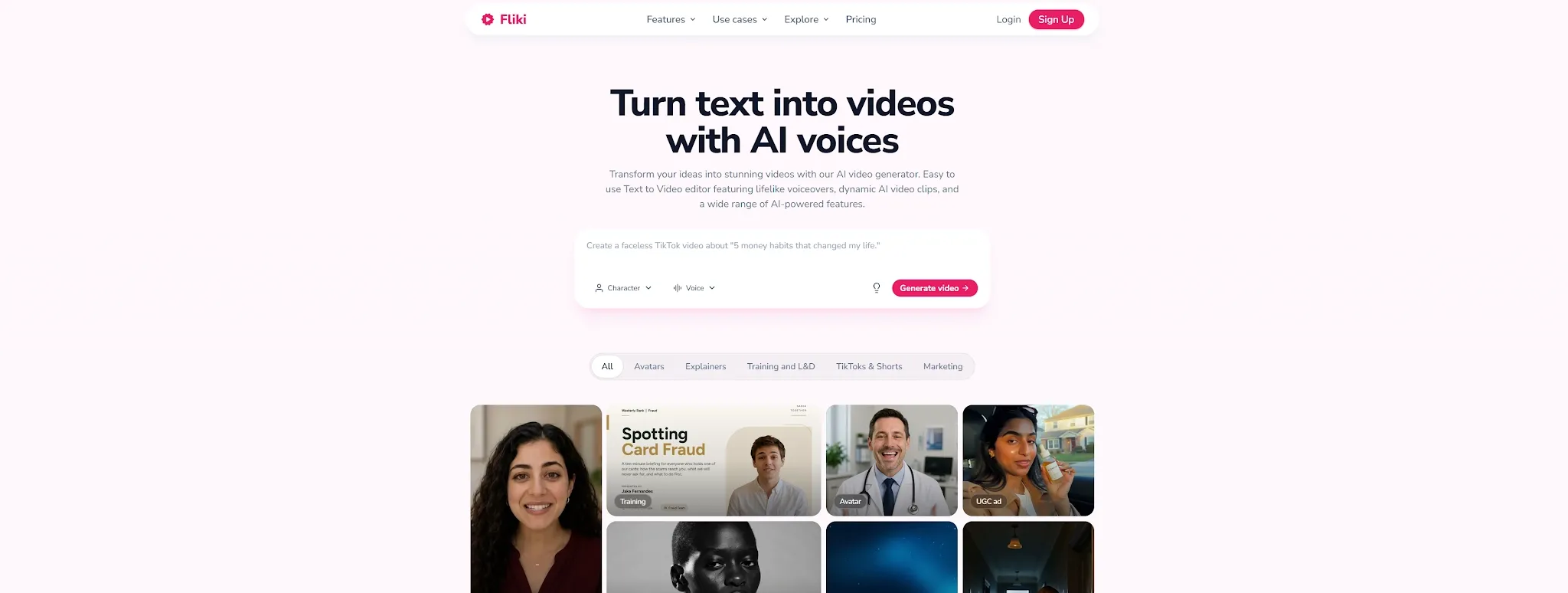
Fliki AI is a strong alternative when narration carries the video. It turns scripts, blog posts, prompts, or story ideas into scenes with AI voiceovers, visuals, music, and captions, which suits faceless YouTube, education, news-style videos, and short-form publishing.
MagicLight AI is more animation-centric; Fliki is more narration-centric, with a large voice library, multilingual workflows, avatars, and simple scene changes. It is easier to repurpose one script across aspect ratios and languages, keep a recognizable narrator across a series, and prepare sound-off social versions with captions. It is less ideal when every scene needs to feel like a custom animated film with a persistent cast.
Pros:
- Strong script-to-video and blog-to-video workflows.
- Large AI voice library, multilingual narration, captions, and translation support.
- Good fit for faceless channels and repeatable content series.
- Easier to repurpose one script for social formats.
Cons:
- Visuals may feel less distinctive than a dedicated animation or cinematic generator.
- Voice-led templates are not ideal for every story or brand style.
Best For
Faceless creators, educators, publishers, and marketers who need narrated videos at a steady publishing cadence.
Bottom Line
Use Fliki AI when the voice, captions, and publishing rhythm matter more than building a fully animated story world.
5. Dreamina—Best For Cinematic Short-Form Visuals
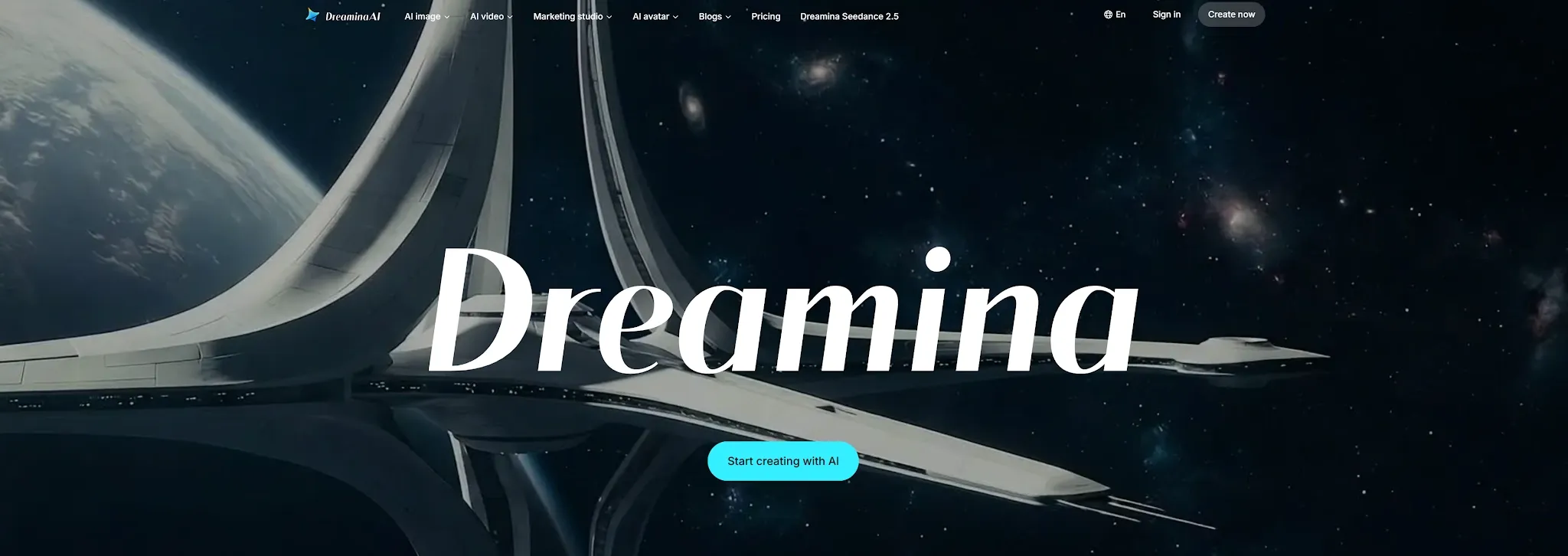
Dreamina is useful when you want to explore cinematic concepts, social clips, and image-led stories quickly. Its tools support text-to-video, image-to-video, multi-scene prompts, and reference-driven generation, so creators can begin with a key image, product shot, mood, or visual idea.
It is not a direct replacement for MagicLight's long-form story pipeline. Its advantage is testing a character entrance, product launch reveal, transition, or social hook before committing to a complete episode. That shorter loop lowers the cost of experimentation and helps teams develop the strongest idea before investing in a longer render.
Pros:
- Good for image-led and prompt-led cinematic video concepts.
- Useful for short-form social, ads, and visual experimentation.
- Multi-scene and reference features can help structure a creative sequence.
- Fast iteration is helpful during ideation.
Cons:
- Less suitable for a complete narrated episode with a long-running cast.
- Short-form generation still requires assembly when the project becomes complex.
Best For
Creators, designers, and marketers who need cinematic hooks, product shots, and short visual concepts.
Bottom Line
Dreamina is the better choice when your next video starts with a visual moment, not a 12,000-character story.
6. DeeVid AI—Best For Agent-Led Creation And Editing
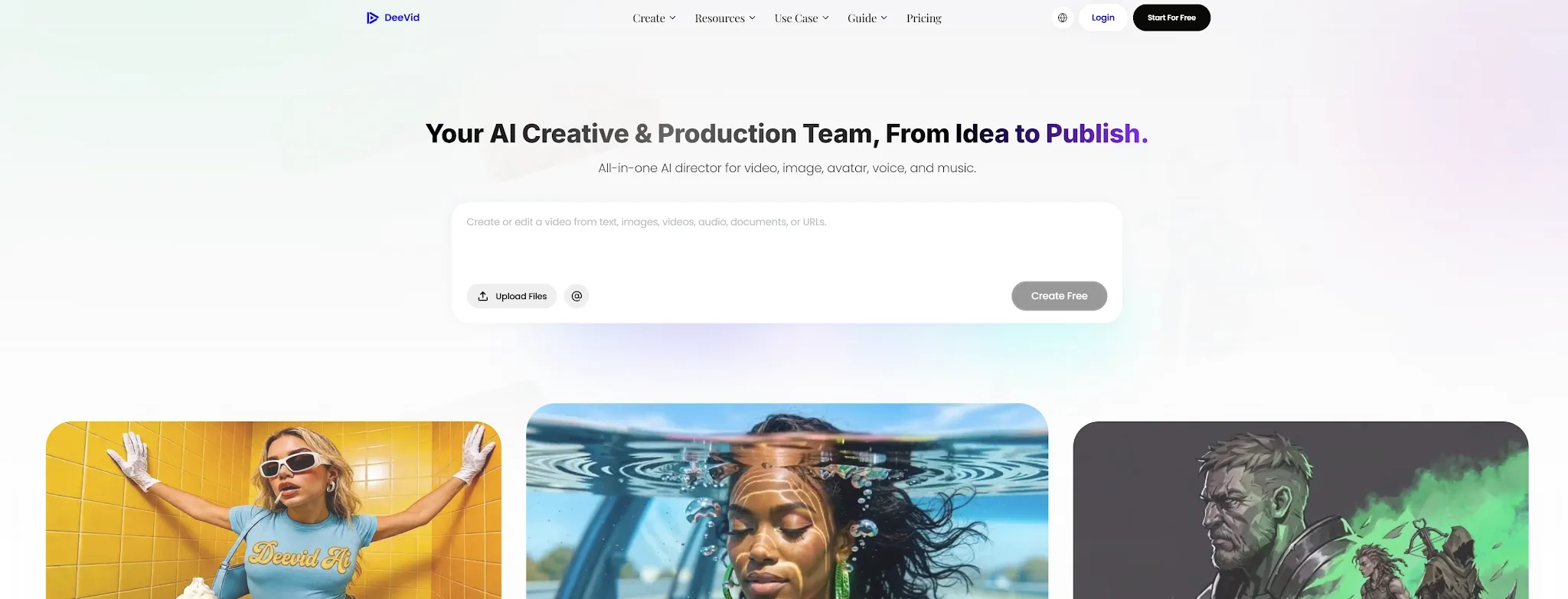
DeeVid AI positions itself as an AI director for video, image, avatar, voice, and music tasks. It can move from an idea to a generated result, then let you adjust the output in a visual canvas instead of building a traditional edit from the start.
That makes it useful when MagicLight's guided story process feels too prescriptive: bring in text, photos, video, or audio, create a first cut, then reposition, replace, or refine elements through a prompt-to-video workflow. It is a good fit for social teams iterating through several hooks or formats. MagicLight is stronger for a stable long-form cast, while DeeVid suits mixed-media projects likely to change after generation.
Pros:
- Accepts text, images, video, and audio as creative inputs.
- Combines generation and editing in an agent-led workflow.
- Useful for social content, ads, avatars, and fast revisions.
- Canvas-style editing can feel less intimidating than a full timeline.
Cons:
- It may require more user direction for a long narrative with many recurring characters.
- A broad AI director workflow can feel less specialized than a dedicated story tool.
Best For
Creators and small teams that want an AI assistant to plan, generate, and refine mixed-media videos.
Bottom Line
Pick DeeVid AI if you want an AI director that keeps the creative loop moving after generation, not only a system that converts a script into an episode.
7. Pictory—Best For Repurposing Existing Content
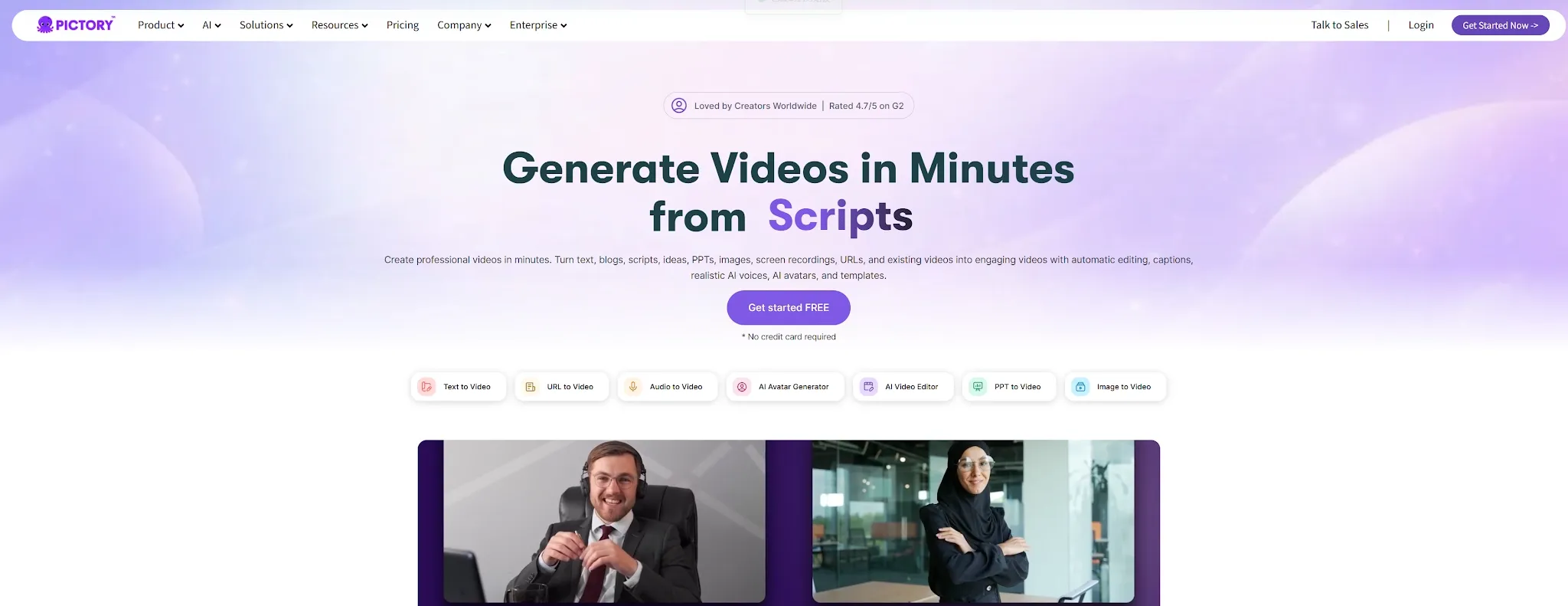
Pictory is a strong alternative when the raw material already exists. It turns blog posts, scripts, URLs into videos, presentations, recordings, and long videos into shorter narrated or captioned video clips. A marketer can repurpose a webinar, a publisher can turn an article into a social video, and a course creator can add structure, captions, and branding to a recording.
Compared with MagicLight AI, Pictory is less focused on character-driven animation and more focused on making information easier to publish. It is useful when the goal is to increase the value of content you already own, but its limitation is creative distinctiveness: it is a fast assembly and editing tool, not a long-form animated story studio.
Pros:
- Practical blog-to-video, script-to-video, URL-to-video, and recording workflows.
- Useful for captions, summaries, highlights, and social repurposing.
- Easier starting point for content teams with an existing library.
- Less setup than building every scene manually.
Cons:
- Less suited to cinematic animation and recurring fictional characters.
- Visual matching may require review when the source content is specific or technical.
Best For
Content marketers, educators, publishers, and podcasters repurposing material they already created.
Bottom Line
Pictory is the better MagicLight alternative when your content starts as a blog, webinar, presentation, or recording rather than a story script.
8. VEED.IO—Best For Browser Editing, Captions, And Resizing
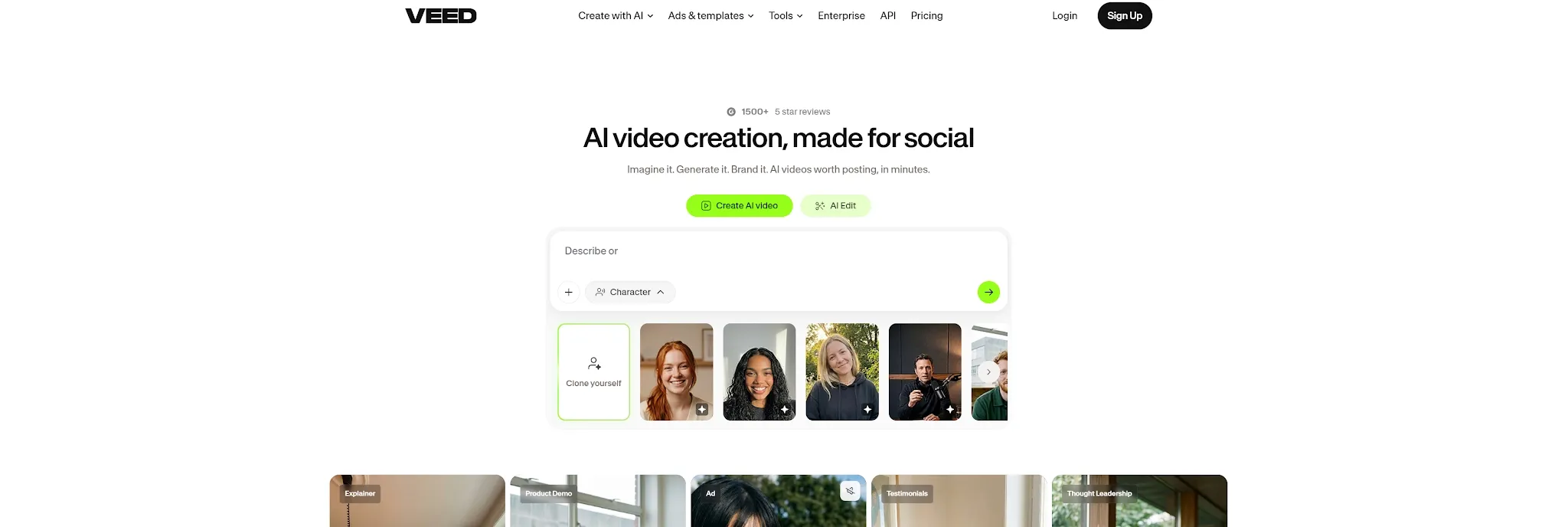
VEED.IO is a practical option when footage already exists and the main job is finishing it. It combines browser editing with captions, templates, video resizing, sound effects, and AI-assisted workflows, which helps social teams adapt one source video for Reels, Shorts, TikTok, and LinkedIn.
This is a different type of alternative: VEED.IO replaces the work after generation or recording rather than MagicLight's story engine. If your pain is trimming, subtitle styling, aspect ratios, or exporting, a straightforward editor may save more time than another text-to-video tool. It is also easier to hand off for team review, although you make more creative decisions yourself.
Pros:
- Convenient browser-based editing and caption workflows.
- Useful for resizing and adapting content across social platforms.
- Good fit for teams that need quick, collaborative finishing work.
- Can be used after another AI generator in a wider workflow.
Cons:
- More hands-on than an agent that creates a complete story automatically.
- Not the best choice if you want persistent animated characters from a script.
Best For
Social teams, creators, and marketers that need to edit, caption, resize, and publish existing video.
Bottom Line
Choose VEED.IO when the missing piece is a usable editor, not another long-form video generator.
9. HeyGen—Best For AI Avatars And Localized Presenters
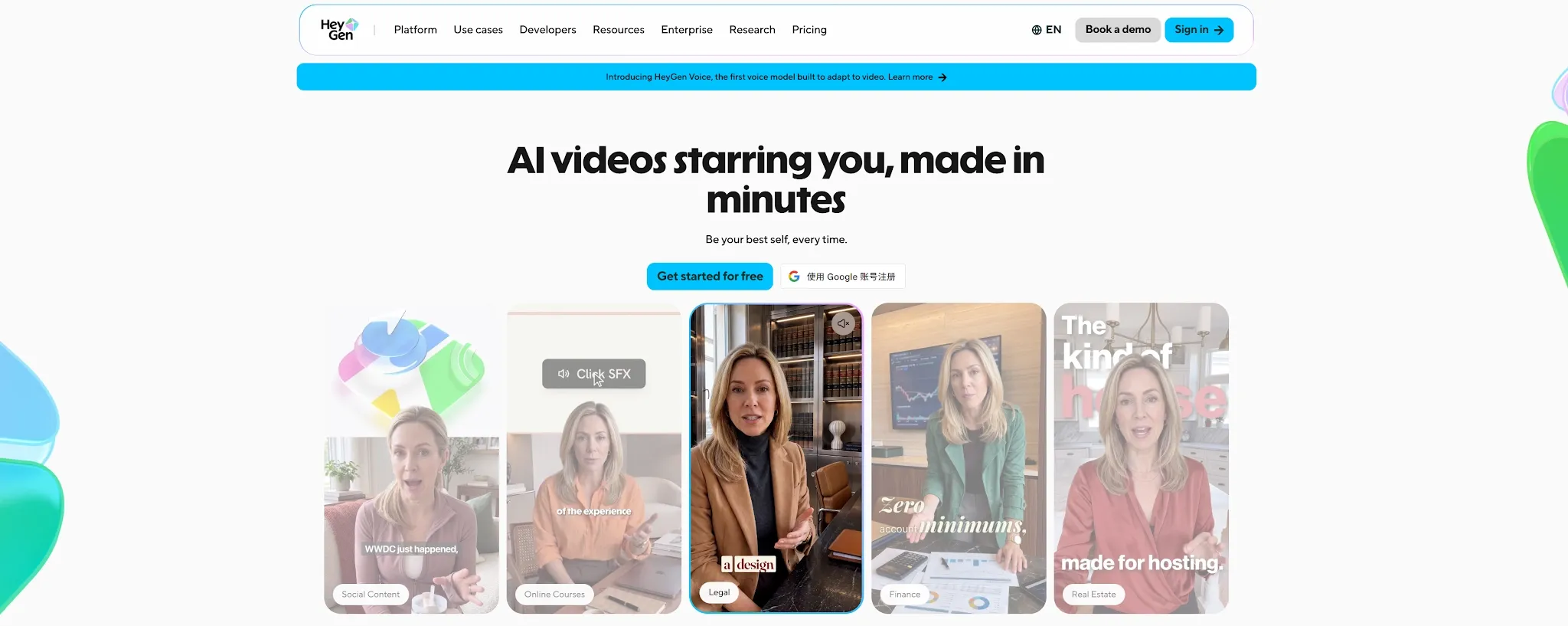
HeyGen is a better alternative when the video needs a person speaking directly to the viewer. It focuses on AI presenters, digital twins, voice, lip sync, translation, and corporate video, making it suitable for sales enablement, onboarding, product announcements, training, and multilingual marketing.
MagicLight creates narrated stories; HeyGen starts with the presenter, so a human-looking avatar can explain a product or deliver a localized message without a camera crew. That repeatability is valuable for brands that update offers or languages often, although it is less suitable for fictional casts, cinematic action, or fully animated worlds.
Pros:
- Strong presenter and digital-twin workflows.
- Useful for localization, multilingual training, and sales videos.
- Reduces the need for repeated filming and reshoots.
- Good fit for talking-head communication.
Cons:
- Less suitable for cinematic stories and animated ensemble scenes.
- Avatar-focused output may feel too corporate for some entertainment formats.
Best For
Businesses, educators, sales teams, and creators who need lifelike presenters and localized talking videos.
Bottom Line
HeyGen is the right MagicLight alternative when your audience needs a spokesperson, not a narrator moving through an animated story.
10. GoEnhance AI—Best For Stylized Video Transformations
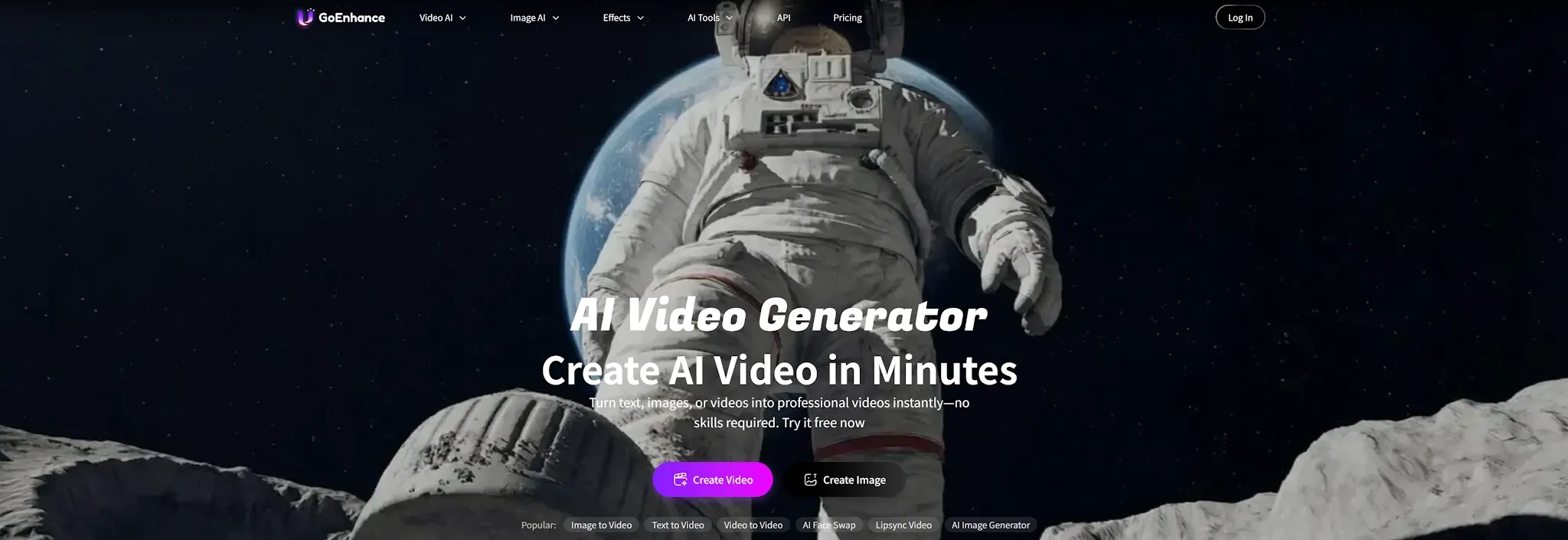
GoEnhance AI is useful when existing footage is the valuable input and you want to change its visual identity. It focuses on stylized transformations, animation looks, and social-ready variations rather than generating a complete story from a script.
A dance video, product demo, talking clip, or short scene can become anime-style video, cartoon, or another visual treatment without rebuilding the original movement. That makes GoEnhance complementary to a story generator, not a one-to-one replacement, and useful for testing several styles against the same source clip. The tradeoff is input dependence: you need usable footage, and faces, hands, text, and motion still deserve review.
Pros:
- Useful for video-to-video stylization and creative variations.
- Helps repurpose existing footage into different visual directions.
- A good fit for social experiments, music video, and animation effects.
- Can complement a separate script-to-video workflow.
Cons:
- Not designed to create a complete long-form story from text alone.
- Transformation quality depends on the source footage and chosen style.
Best For
Creators and marketers who want to restyle, animate, or repurpose footage they already have.
Bottom Line
Use GoEnhance AI when the valuable asset is the motion in an existing video and the goal is to give it a new visual treatment.
How I Tested These MagicLight AI Alternatives
I compared each tool against the jobs that make people search for a MagicLight AI alternative, not just against a generic AI video checklist. The core question was whether a video tool could reduce the work between an idea and a video that someone could actually use.
I looked at:
- Story and script handling: Can the tool understand a brief, script, blog post, video presentation, or existing recording?
- Scene quality and consistency: Does the visual flow make sense, and can recurring characters, products, or presenters stay recognizable?
- Control after generation: Can I revise a scene, change a voice, adjust timing, or replace an asset without rebuilding everything?
- Workflow depth: Does the tool include audio, captions, avatars, editing, and export, or does it stop at a raw clip?
- Commercial usefulness: Is the workflow practical for social content, campaigns, training, product videos, or recurring series?
- Iteration cost: How easy is it to test a different direction before committing to a long render or a large credit spend?
How I'd Choose The Right MagicLight AI Alternative
If your priority is one complete workflow for many video jobs, start with Pollo AI. It is the most flexible option here for moving between stories, ads, product comparison videos, image-to-video, avatars, effects, and editing.
If your priority is editable animation, choose Animaker. If you need prompt-led marketing drafts, choose InVideo AI. If you publish narrated, faceless videos, Fliki AI is the more natural fit.
If you care most about cinematic short clips and visual exploration, test Dreamina. If you want an AI director that keeps iterating after the first generation, look at DeeVid AI. For existing articles, webinars, and recordings, Pictory is the practical choice.
If you already have footage, decide whether you need editing and captions or visual transformation. VEED.IO handles the first job. GoEnhance AI handles the second. If the video needs a talking presenter or multilingual digital twin, HeyGen is more suitable than a story-first platform.
My Personal Take
Pollo AI would be my first choice if I needed one video workflow that could support more than a single long-form story. Pollo Agent can help turn an idea, script, image, or URL into a structured, publish-ready video, while its generation and editing tools give me more room to create realistic scenes, product videos, avatar content, and social assets.
I would still use MagicLight AI when the project is specifically a narrated story with recurring characters and automated scene planning. That is where its focused workflow makes sense. But once the project expands into advertising, product content, shot-level refinement, or short-form video production, Pollo AI feels like the more useful long-term platform.
Best MagicLight Alternative For AI Video Workflows: Pollo AI
Pollo AI is the strongest MagicLight alternative when you need one platform to support different video jobs. MagicLight AI is focused on long-form story production; Pollo AI covers story videos plus realistic text-to-video, image-to-video, video-to-video, AI avatars, effects, and editing. Pollo Agent can take an idea, script, image, or URL toward a structured, publish-ready video with no editing required for many workflows.
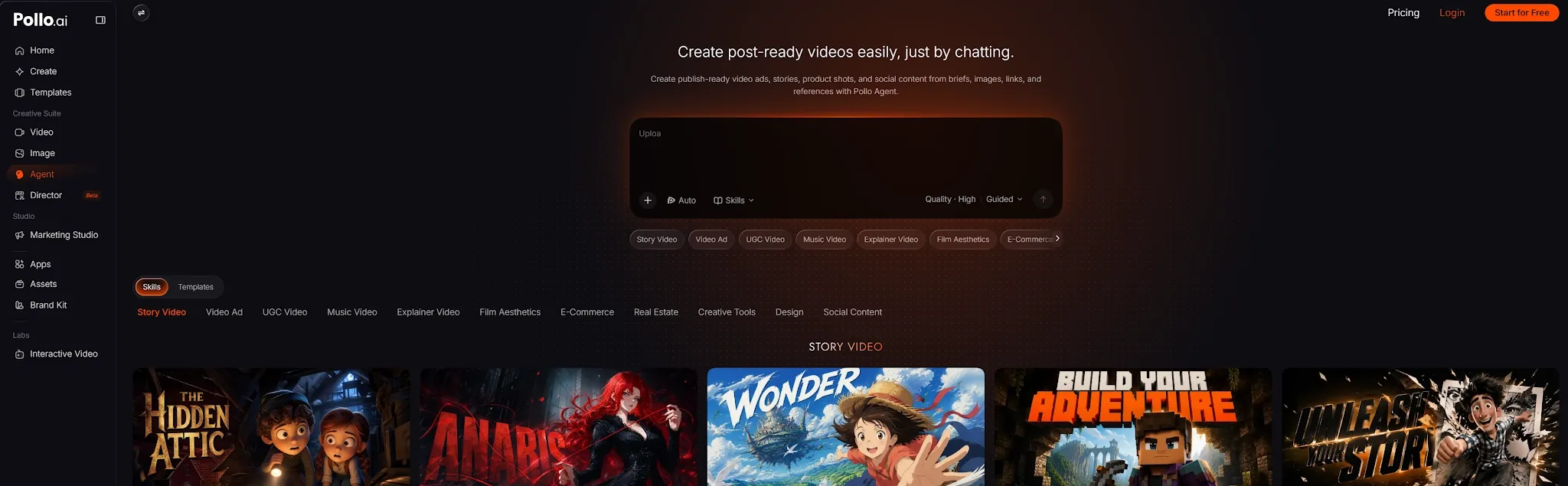
Marketing Studio adds a practical path from product assets to UGC ads, product videos, and campaign visuals. Access to models such as Veo 3.1, Kling 3.0, Seedance 2.5, and Wan 3.0 lets you test the right generation approach for each brief. That breadth is why Pollo AI is the best overall choice for creators, marketers, sellers, and teams that do not want every project forced into a single story format.
Final Verdict
MagicLight AI is a sensible choice for long-form animated stories with recurring characters, but Pollo AI is the best overall alternative when your work also includes ads, avatars, realistic clips, editing, or product content. Choose Animaker, Fliki, InVideo, Pictory, VEED.IO, HeyGen, Dreamina, DeeVid, or GoEnhance when one of those narrower workflows is your priority. Test each tool with a real brief and judge how much work remains before publishing.