9 Best OpenArt Alternatives for AI Image Generation (Features Compared)
OpenArt is useful for AI image generation, style exploration, image edits, and custom model training. But it can feel less practical when you need commercial visuals, faster workflows, or more flexible tools around the final image.
So I tested 9 OpenArt alternatives across AI art generation, image editing, character concepts, stock-style visuals, product images, and creative workflows. These are the tools I’d actually use.
Best OpenArt Alternatives: TL;DR
The best OpenArt alternative is Pollo AI because it gives you more than AI art generation. It combines image creation, editing, style testing, model access, and commercial image workflows in one place.
OpenArt is still useful for artists, prompt experiments, custom model training, and creative image exploration. But if you want product visuals, brand assets, e-commerce images, design-ready graphics, or a fuller creative workflow, the tools below give you more room to work.
9 Best OpenArt Alternatives At a Glance
| Tool | Best For | Why I’d Use It Instead Of OpenArt |
|---|---|---|
| Pollo AI | Best overall image workflow | Broader creative workflow, Creative Studio, Commerce Studio, model aggregation, and commercial image tools |
| Leonardo AI | Best for characters and concept art | Better for character consistency, game-style assets, and visual world-building |
| SeaArt AI | Best for community art styles | Stronger for anime styles, community inspiration, and advanced creative controls |
| Civitai | Best for community model discovery | Better for creators who want prompt transparency, remixing, and niche visual styles |
| Getimg AI | Best for canvas editing and outpainting | Better when you want fast generation, image expansion, and reference-based edits |
| StarryAI | Best for stylized artwork | Useful for quick artistic presets, avatars, and social-friendly creative images |
| ImagineArt | Best for creative image apps | Better when you want built-in creative tools, style testing, and quick transformations |
| Shutterstock AI | Best for stock-style commercial visuals | Stronger when AI generation needs to connect with a large asset library |
| Adobe Firefly | Best for design-friendly editing | Better when generated images need to fit into polished design workflows |
Why Look For An OpenArt Alternative?
OpenArt is powerful, but it is not always the best fit when your AI image work needs to move beyond art exploration as I found in my OpenArt review.
The limitation is practical workflow depth. In this Trustpilot review, the user complained that their credits ran out much faster than expected while trying to generate usable content. For creators working on client assets, that kind of uncertainty can be frustrating.
There are also workflow concerns. The user said they had trouble with extra credit packs and later found project assets missing. Even if the image tools are strong, issues like that can make the platform harder to rely on for serious creative work.
That is why I would look for an OpenArt alternative. I would want more predictable image results, better control over edits, clearer credit usage, and a workflow that feels safer for product visuals, social assets, and campaign images.
1. Pollo AI: Best Overall OpenArt Alternative
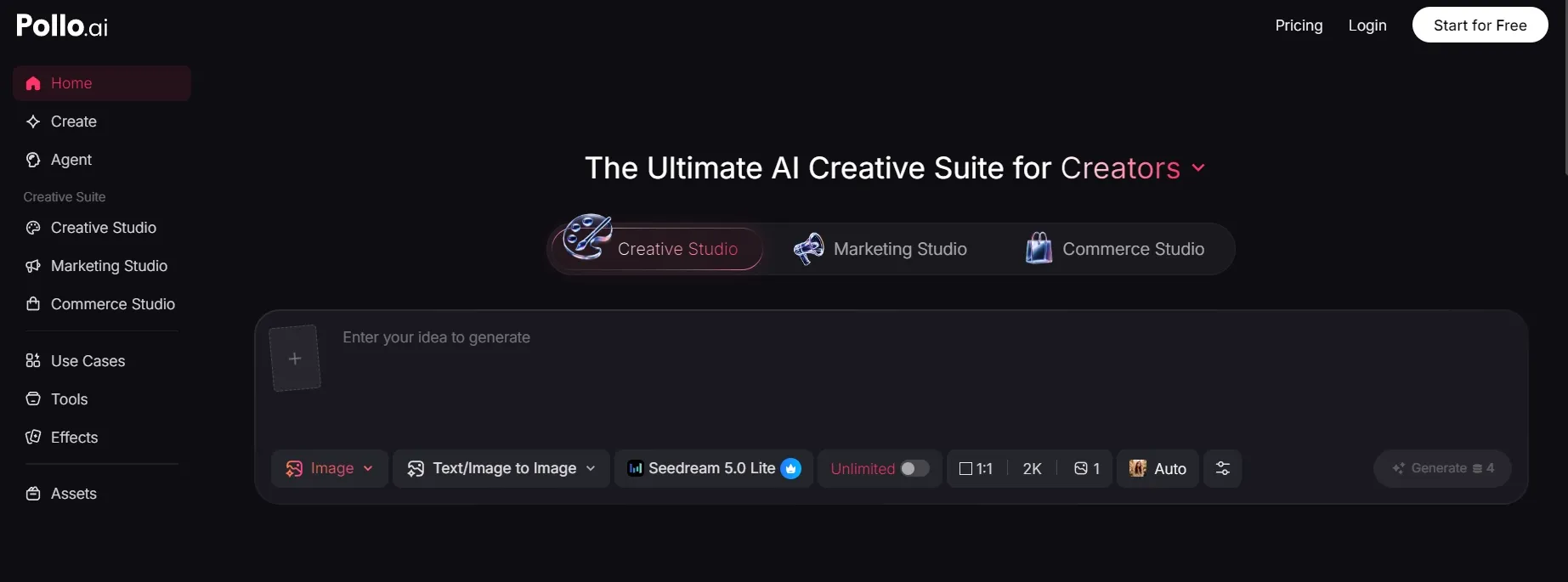
Pollo AI is the best overall OpenArt alternative because it gives you a broader creative workflow, not just AI art generation.
OpenArt is strong for style exploration, prompt-based image creation, and custom model training. Pollo AI feels more useful when you want to create images from prompts, refine existing visuals with image to image AI, edit images with an AI photo editor, and adapt the result for real creative or commercial use.
The biggest difference is workflow. With Pollo Agent, I can start from a rough idea, product photo, link, or short brief. Then I can turn it into a more complete creative direction without piecing everything together manually. Marketing Studio helps when that same visual needs to become a campaign asset, social post, poster, or ad creative.
Pollo AI also brings many image models into one workflow. You can test options like GPT Image 2 and Nano Banana 2 for different visual directions without switching between separate platforms.
Pros:
- Creative workflow: Image generation, editing, and style testing sit in one place.
- Studio support: Creative Studio and Commerce Studio support both creative and commercial image needs.
- Model aggregation: Multiple image models are available in one workflow for different visual directions.
- Commercial output: Strong fit for product visuals, posters, brand assets, social graphics, and e-commerce images.
Cons:
- The workflow has more depth: Helpful for serious creative work, but casual users may only need simple art generation.
- Credit-based access: Some advanced tools may require credits or a paid plan.
Best For: Creators, marketers, sellers, and brands that need more than AI art experiments.
Bottom Line: Pollo AI is the strongest OpenArt alternative if you want to create, edit, and adapt commercial-ready AI images in one workflow.
2. Leonardo AI: Best For Characters And Concept Art
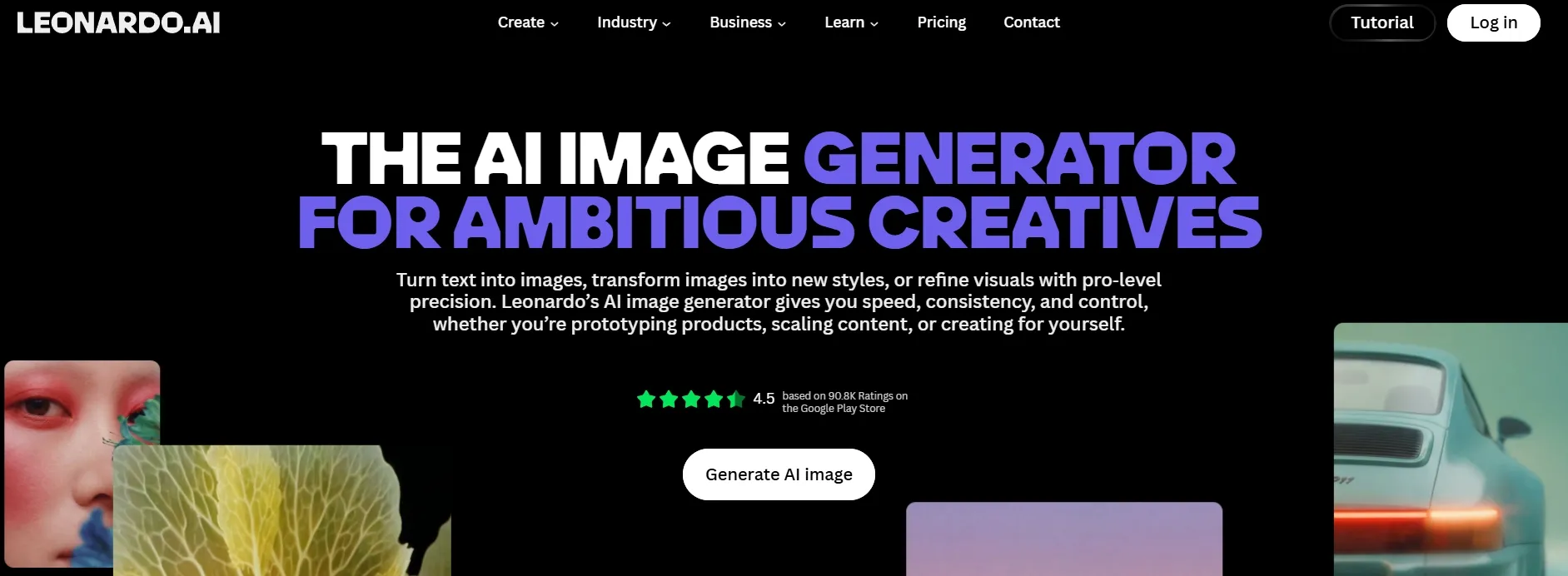
Leonardo AI is a strong OpenArt alternative if you create characters, game-style assets, or visual worlds.
OpenArt is flexible for general AI art generation. Leonardo AI feels more focused when the project needs character consistency, creative direction, and multiple related visuals. I would use it for brand mascots, fantasy characters, game props, stylized portraits, and concept art. If one image is not enough and you need a repeatable direction, Leonardo AI is easier to justify.
Pros:
- Character creation: Strong for stylized characters and concept visuals.
- Creative control: Better for repeatable visual directions.
- Asset workflow: Useful when you need multiple related images.
Cons:
- More setup than OpenArt: It takes time to understand the controls.
- Not the fastest casual option: Better for projects than quick one-off art.
Best For: Concept artists, game creators, character designers, and creative teams.
Bottom Line: Use Leonardo AI when OpenArt feels too general for character-led creative work.
3. SeaArt AI: Best For Community Art Styles
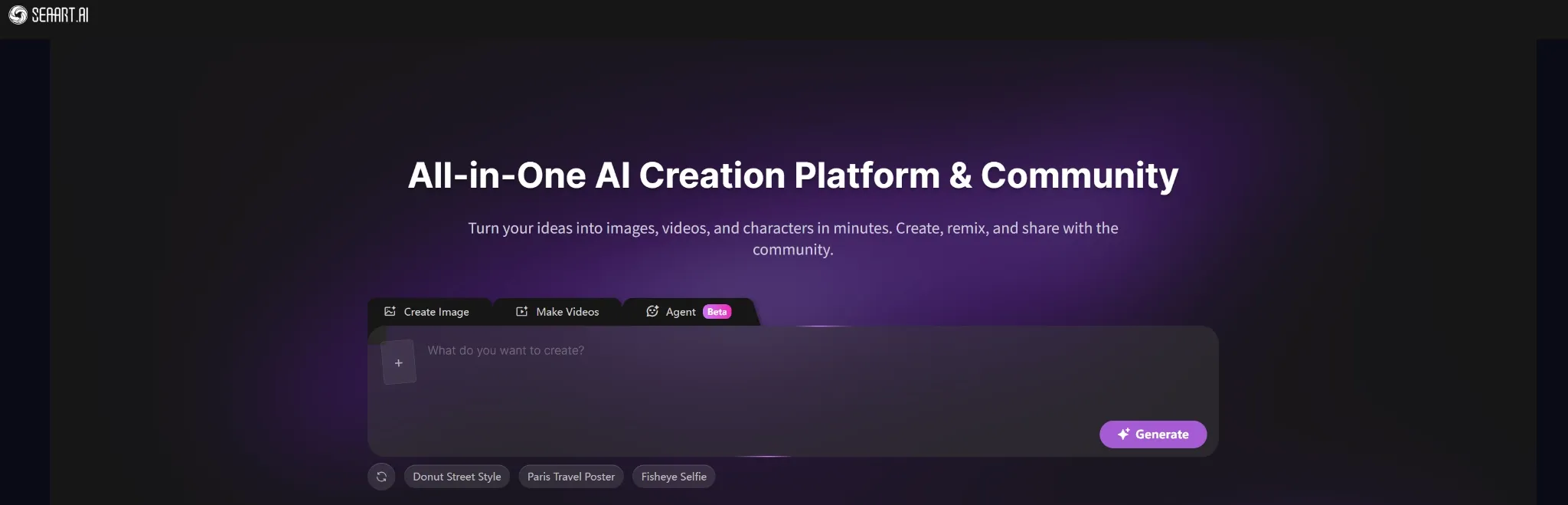
SeaArt AI is a good OpenArt alternative if your priority is anime, portraits, community styles, and art discovery.
OpenArt gives you broad image generation and editing. SeaArt AI feels more community-driven, with more emphasis on shared artworks, style inspiration, character visuals, and advanced creative controls. I would use it when I want to explore anime-style images, stylized portraits, character art, or community-inspired prompt ideas. It feels less commercial by default, but stronger for creative style discovery.
Pros:
- Community inspiration: Good for discovering styles and visual directions.
- Style control: Useful for anime visuals, portraits, and character art.
- Advanced controls: Better when pose, depth, or structure matters.
Cons:
- More complex for beginners: The creative ecosystem may take time to understand.
- Less business-focused: Better for art exploration than e-commerce workflows.
Best For: Anime creators, artists, character designers, and style-focused users.
Bottom Line: Use SeaArt AI when OpenArt feels broad, but you want deeper community style exploration.
4. Civitai: Best For Community Model Discovery
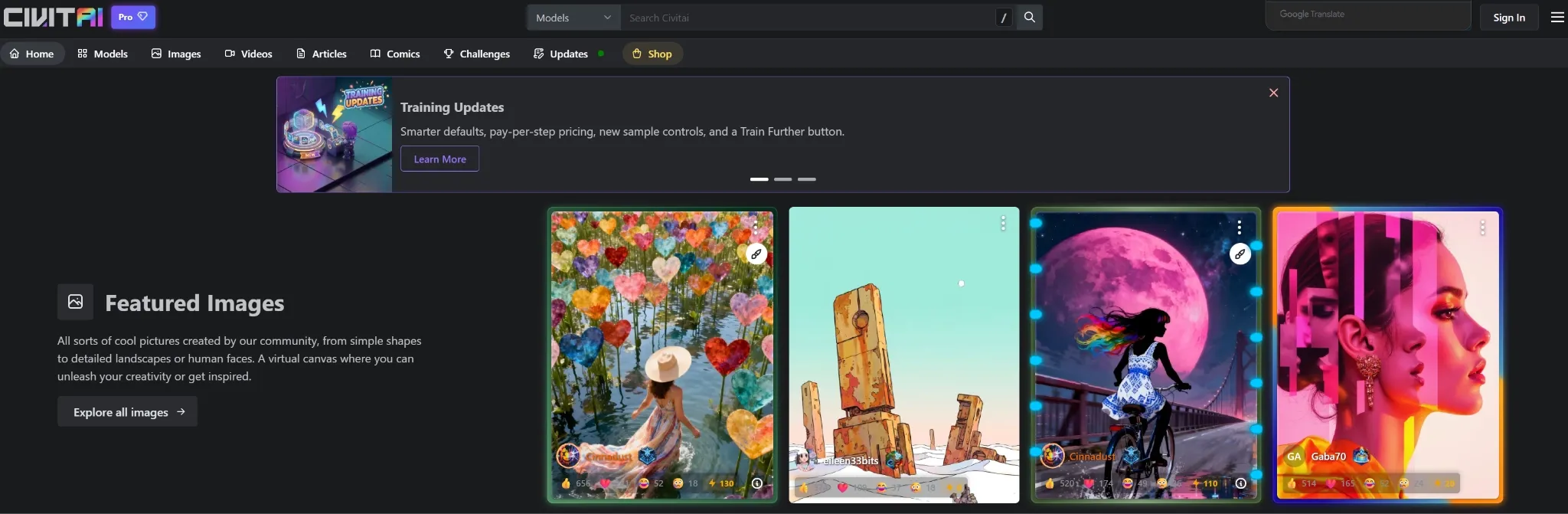
Civitai is a useful OpenArt alternative if you care about community models, prompt learning, and remix culture.
OpenArt lets users generate and train image models. Civitai is stronger when you want to explore how other creators build styles, remix prompts, and discover niche visual directions. I would use it for anime-inspired visuals, fantasy portraits, niche aesthetics, and learning how different looks are created. It is not the most beginner-friendly option, but it is valuable for advanced creators.
Pros:
- Community model library: Strong for discovering niche visual styles.
- Prompt transparency: Useful for learning how images are made.
- Remix workflow: Good for building from community creations.
Cons:
- Steeper learning curve: Beginners may need time to understand the ecosystem.
- Less guided workflow: Community-driven creation can feel less structured.➜ Pros:
Best For: AI artists, prompt learners, anime creators, and advanced style explorers.
Bottom Line: Use Civitai when OpenArt feels useful, but you want a deeper community-driven model ecosystem.
5. Getimg AI: Best For Canvas Editing And Outpainting
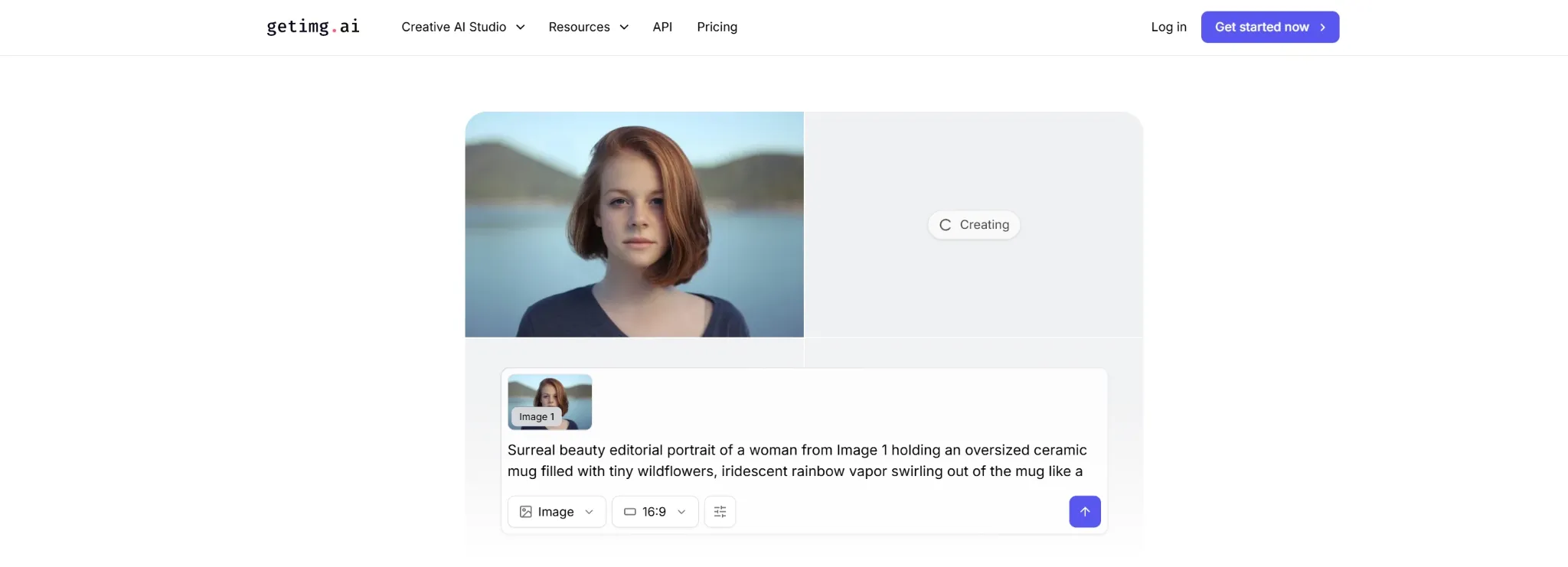
Getimg AI is a strong OpenArt alternative if you want fast image generation with practical canvas editing.
OpenArt includes editing tools, style transfer, and image workflows. Getimg AI feels especially useful when you want to expand a scene, generate variations, use reference images, or reshape a composition quickly. I would use it for outpainting, image expansion, reference-based edits, and fast visual drafts. It gives you a more focused canvas workflow without feeling too heavy.
Pros:
- Canvas editing: Useful for expanding or reshaping existing images.
- Reference-based work: Good when an uploaded image should guide the result.
- Fast generation: Helpful for drafts, variations, and scene expansion.
Cons:
- Less commercial workflow depth: It is useful for creation, but not as broad as a full creative suite.
- Prompt direction still matters: Better instructions lead to more usable results.
Best For: Creators who want outpainting, reference images, and fast canvas edits.
Bottom Line: Use Getimg AI when OpenArt feels broad and you want a more focused canvas-editing workflow.
6. StarryAI: Best For Stylized Artwork
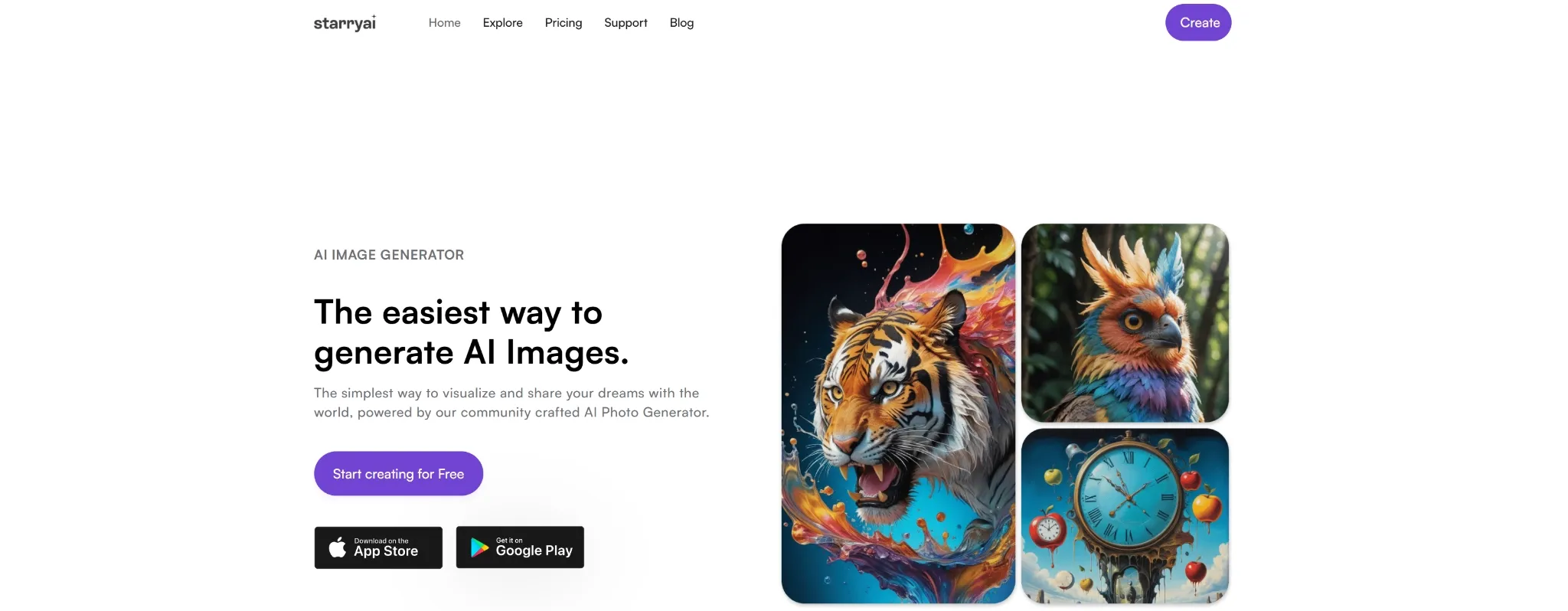
StarryAI is a good OpenArt alternative if you want quick stylized artwork, avatars, and artistic presets.
OpenArt is broader and better for deeper experimentation. StarryAI feels simpler when you want to turn an idea into a stylized image without managing a complex workflow. I would use it for profile visuals, personal art projects, themed social images, and quick creative portraits. It is not the most advanced tool here, but it is easy to understand.
Pros:
- Art presets: Useful for quick stylized images and themed visuals.
- Avatar creation: Good for profile images and creative character looks.
- Beginner-friendly: Easy for casual users who want fast results.
Cons:
- Limited workflow depth: Not ideal for complex brand or e-commerce production.
- Preset feel: Some outputs may feel familiar if you rely too much on ready-made styles.
Best For: Casual creators, social users, and artists making stylized visuals.
Bottom Line: Use StarryAI when OpenArt feels too involved and you want simpler artistic output.
7. ImagineArt: Best For Creative Image Apps
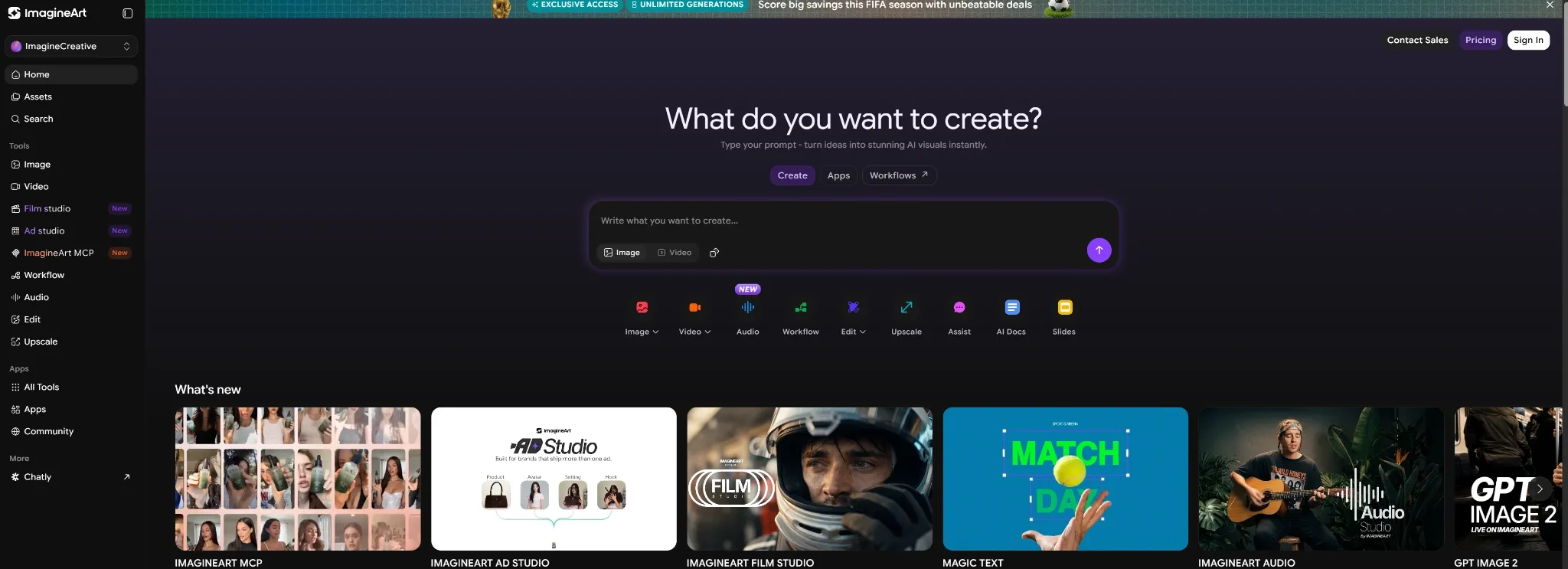
ImagineArt is a useful OpenArt alternative if you want creative image apps and quick visual transformations.
OpenArt is strong for generation, editing, and custom model workflows. ImagineArt feels more app-led, with built-in creative tools for image generation, style testing, object changes, background edits, and visual experiments. I would use it for social media ideas, concept art, quick marketing visuals, and guided creative transformations. It is especially helpful when you want more built-in app options around image generation.
Pros:
- Creative apps: Useful for quick visual transformations.
- Built-in image tools: Good for style tests, object changes, and background edits.
- Community inspiration: Helps creators discover new visual directions.
Cons:
- Can feel broad: Users who only need one simple image task may not need all the features.
- Output consistency varies: More complex creative requests may need extra testing.
Best For: Creators who want quick apps, style tests, and flexible image experiments.
Bottom Line: Use ImagineArt when OpenArt feels too workflow-heavy and you want faster creative apps.
8. Shutterstock AI: Best For Stock-Style Commercial Visuals
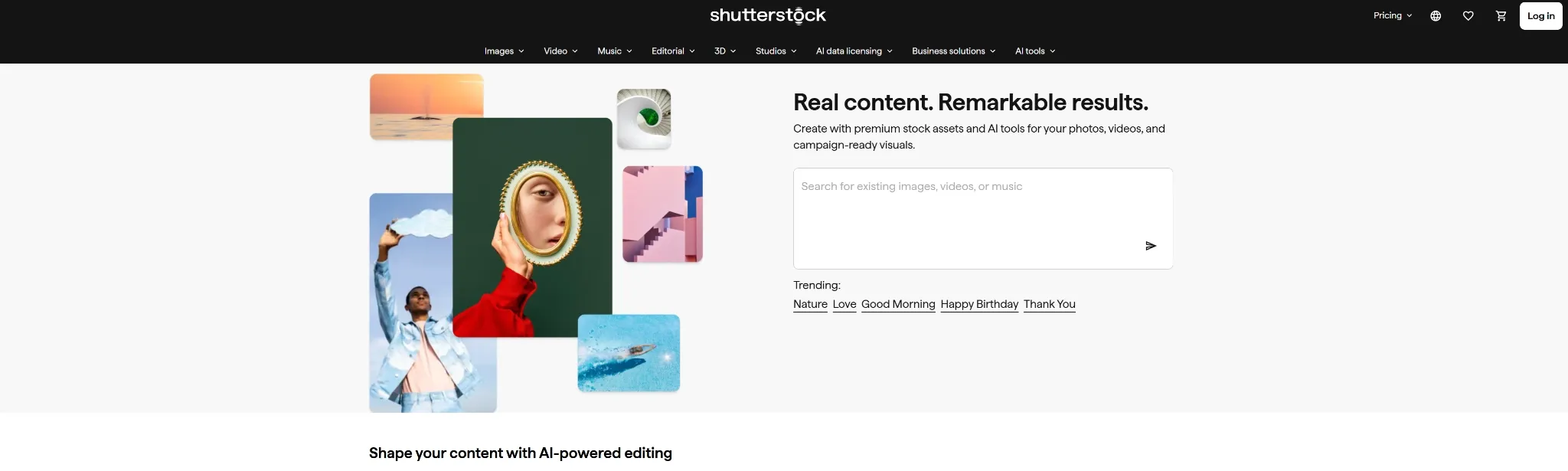
Shutterstock AI is a good OpenArt alternative if you want AI image generation connected to a large creative asset library.
OpenArt is stronger for AI art exploration and custom creative workflows. Shutterstock AI makes more sense when you want stock-style visuals, commercial concepts, image variations, and prompt support inside a familiar asset environment. I would use it for campaign concepts, presentation visuals, marketing graphics, and brand-safe stock-style image ideas. It is not the most experimental option, but it fits teams that care about commercial polish.
Pros:
- Asset-library fit: Good for stock-style and commercial visuals.
- Prompt enrichment: Helpful when a simple idea needs more detail.
- Image variations: Useful for exploring campaign directions.
Cons:
- Less open-ended: Not as experimental as community art platforms.
- Asset-led workflow: Better for commercial visuals than highly personal art styles.
Best For: Marketers, designers, and teams needing stock-style AI visuals.
Bottom Line: Use Shutterstock AI when OpenArt feels too art-focused and you need more commercial asset support.
9. Adobe Firefly: Best For Design-Friendly Editing
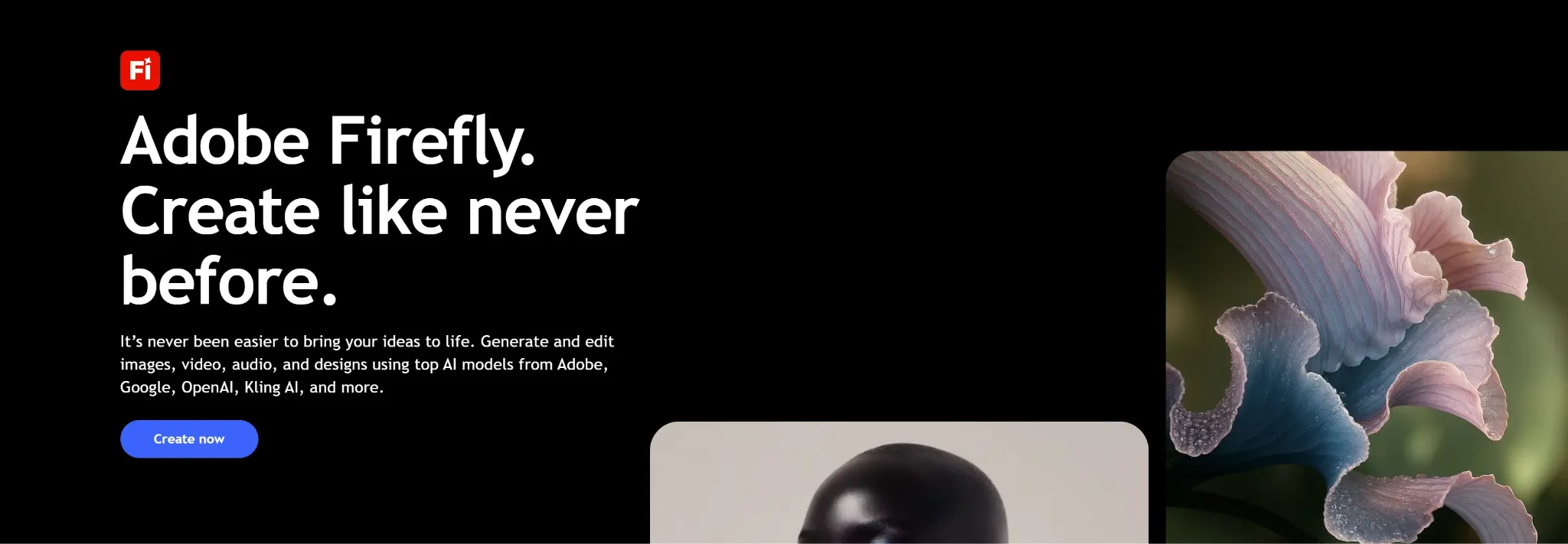
Adobe Firefly is a stronger OpenArt alternative when the generated image needs to become part of a polished design project.
OpenArt is more art-led. Firefly is more design-led. I would use it when the next step is a poster, campaign layout, branded graphic, or image edit inside a design workflow. It is not as community-driven or experimental as OpenArt, but it is more practical when the image needs to support a clean final asset.
Pros:
- Design workflow: Strong fit for polished brand and campaign visuals.
- Editable output: Useful when images need to support larger creative projects.
- Commercial fit: Better when visuals need to sit inside design systems.
Cons:
- Less community-driven: Not as strong for niche art discovery.
- Best for design-minded users: Casual creators may not need the full workflow.
Best For: Designers, marketers, and brand teams that need design-ready image assets.
Bottom Line: Use Adobe Firefly when OpenArt feels too art-led and you need design-friendly editing.
How I Tested These OpenArt Alternatives
I tested each tool by looking for the places where OpenArt can feel less practical for real creative work.
Image Generation: Can it turn prompts into useful visuals across different styles?
Editing: Can it adjust, enhance, or transform an image without a complex workflow?
Creative Control: Can it support characters, art styles, concepts, or more specific visual directions?
Commercial Fit: Can the output work for product images, social posts, posters, brand assets, or e-commerce visuals?
Workflow Depth: Does it help me turn an idea into a usable creative asset?
How I’d Choose The Right OpenArt Alternative
If I were replacing OpenArt, I would start with the type of image work I actually need to finish.
For most creators, marketers, and sellers, I would start with Pollo AI. It gives you the broadest workflow: generate images, edit existing visuals, test different creative directions, and turn rough ideas into product, brand, or e-commerce assets.
If you want character or concept work, Leonardo AI is the stronger pick. If you care about community art styles, SeaArt AI and Civitai make more sense. If you want canvas editing and outpainting, Getimg AI is the better fit.
For simpler creative needs, StarryAI is good for stylized art, ImagineArt is useful for creative image apps, Shutterstock AI is better for stock-style commercial visuals, and Adobe Firefly is stronger for design-ready editing.
Turn Every Image Idea Into a Real Asset
Generate original visuals, explore new styles, and create campaign-ready images without being locked into one model or art platform.
Try Pollo AI for Free
My Personal Take
I would still use OpenArt for AI art exploration, style experiments, image edits, and custom model projects. It is flexible and useful when I want to test creative directions.
But I would not use it as my main AI image workflow. I would switch to Pollo AI first. when I need AI virtual try on, campaign graphics, e-commerce content, design-ready images, or a more practical commercial workflow.
OpenArt feels like a flexible AI art workspace. Pollo AI feels like a fuller creative workflow around the image.
Best OpenArt Alternative For AI Image Generation Workflows
Pollo AI is the best OpenArt alternative if you want image generation that can turn into real creative assets, not just interesting AI art.
Its strength is the workflow around the image. Creative Studio helps with AI image generation, editing, and style testing, while Commerce Studio is more useful for product visuals, e-commerce content, and seller-ready creative assets.
That matters if you are creating images for marketing, product pages, social content, or online stores. A product idea can become a cleaner product visual, a campaign concept can become a poster, and a basic image can be adapted into stronger brand or e-commerce content.
OpenArt is useful when you need AI art exploration and custom creative experiments. Pollo AI is a stronger AI image generator when you want original images, broader model access, and a workflow that helps turn image ideas into real creative or commercial assets.
Final Verdict
The best OpenArt alternative is Pollo AI because it gives you stronger creative workflow depth, more practical image tools, and a smoother path from prompt to usable commercial image.
Start with Pollo AI if you want the strongest all-around replacement. Use Leonardo AI for characters, SeaArt AI for community art styles, Civitai for community model discovery, Getimg AI for canvas editing, StarryAI for stylized artwork, ImagineArt for creative image apps, Shutterstock AI for stock-style visuals, and Adobe Firefly for design-ready editing.